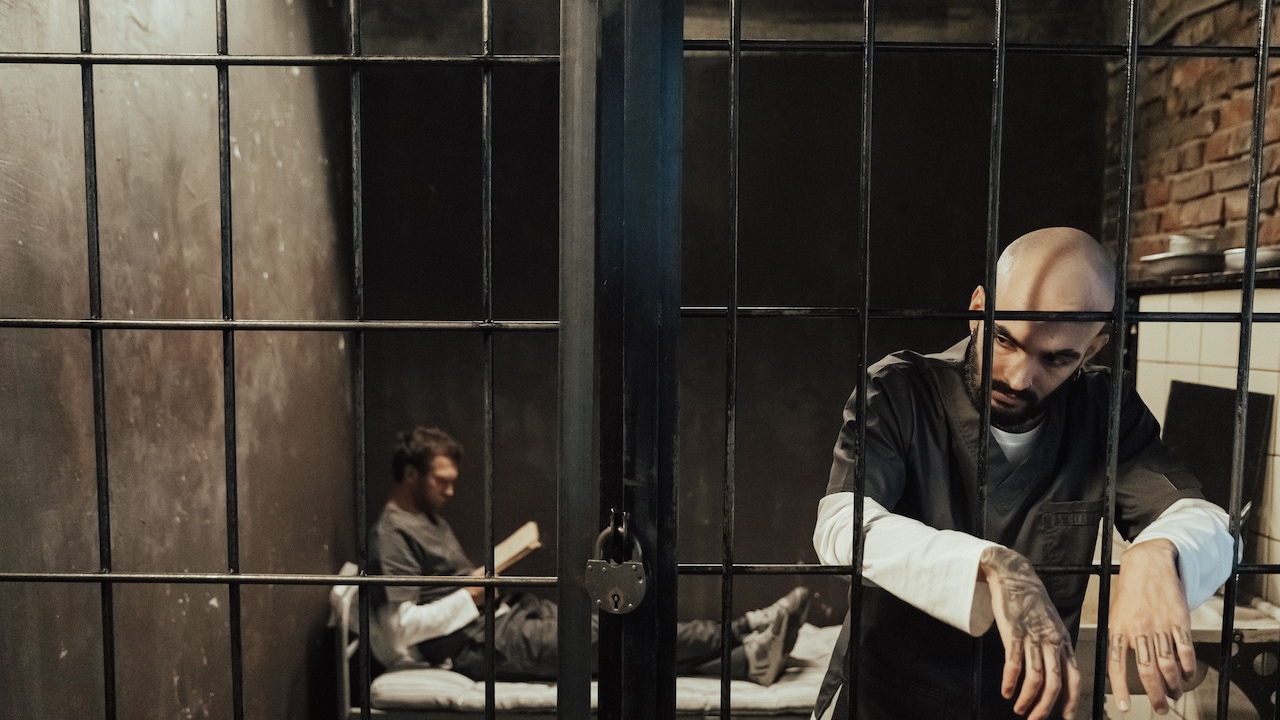
The iron key turns with a heavy, metallic groan that reverberates down the limestone corridor. For the guard standing in the drafty hallway of a facility in southern Finland, the sound is as familiar as his own heartbeat. But something is shifting beneath the surface of the Nordic penal system. The cells are full. Not just comfortably occupied, but strained to a breaking point that tests the limits of a country globally renowned for its humane, rehabilitative approach to criminal justice.
Finland, a nation that prides itself on low recidivism rates and open, trust-based correctional environments, faces an uncomfortable mathematical reality. The inmate population has climbed steadily, outpacing the physical capacity of its brick-and-mortar facilities. Construction takes years. Budgets are tight. And the inmates keep arriving.
Enter a radical, startling proposition that has begun to circulate through government offices and ministerial briefs: renting prison space abroad.
Imagine, for a moment, what it means to be an inmate in the Finnish system. You are not merely warehoused behind razor wire. You are expected to study, to work, to learn carpentry or baking, to walk through wooded exercise yards where the Nordic air bites your cheeks. The philosophy is simple: punish the act, but preserve the human being so they can return to society as a neighbor rather than a threat.
Now, look at the map. Look at Estonia, or perhaps another neighboring jurisdiction with spare beds and lower operating costs. When a government looks across its borders for real estate to house its domestic offenders, it is not just shifting bodies across a spreadsheet. It is exporting a piece of its own social contract.
Consider a hypothetical inmate named Matti. He is thirty-two, serving a sentence for a violent financial crime born of desperation and mounting debt. In a Helsinki-area facility, he receives weekly visits from his aging mother. They sit across a plain wooden table, speaking in low, familiar dialects of Finnish, the scent of pine and coffee hanging in the air.
If Matti is transferred to a rented cell in a foreign facility hundreds of miles away, those visits vanish. The language changes on the guards' name tags. The food tastes different. The legal oversight, while nominally bound by international treaties, feels distant and opaque. The core of Finland’s rehabilitation model rests on proximity to community—on keeping the offender tethered to the society they will eventually rejoin. When you snap that tether by housing them in another country, you risk turning a temporary exile into permanent alienation.
Why has it come to this?
The overcrowding is not an accident of nature. It is the downstream effect of longer statutory sentences for certain offenses, combined with shifting prosecutorial priorities and a post-pandemic court backlog that has finally worked its way through the judiciary. Statistics from the Criminal Sanctions Agency paint a stark picture. Utilization rates have crept well over one hundred percent in high-security wings. Double-bunking, a practice once rare in a system designed around individual privacy and dignity, has become a routine administrative fix for a chronic shortage of square footage.
Critics of the foreign-leasing idea point to a deep philosophical contradiction. How can a country export its prisoners while claiming its moral superiority in human rights? It is easy to maintain an enlightened penal philosophy when you have the space for it. It is entirely another matter when the beds run out and the politicians have to choose between building expensive new complexes on home soil or leasing surplus cells from a neighbor who operates under a different legal ethos.
Norway faced a similar dilemma years ago, opting to lease prison space in Norway-adjacent or nearby arrangements—though even those experiments sparked fierce domestic debates about sovereignty, human rights, and the psychological toll on prisoners removed from their cultural linguistic roots. When nations outsource their punishment, they outsource their accountability.
The public reaction in Finland has been a mix of pragmatic resignation and quiet horror. Taxpayers want public safety guaranteed, but they also care deeply about the international reputation of their welfare state. To become a nation that ships its convicts offshore sounds too much like the corporate supply chains that outsource manufacturing to the lowest bidder. Justice, the public feels, should not be outsourced. It should be local, transparent, and undeniably ours—warts and all.
As the committees draft their reports and the ministers weigh the financial ledger against the ethical cost, the heavy iron doors in Helsinki continue to lock every evening.
The solution, if one exists, will not be found in a foreign courtyard. It will require a hard, unblinking look at why the cells are filling up in the first place. Whether that means rethinking sentencing guidelines, investing more heavily in preventive social programs, or simply accepting the capital cost of expanding domestic infrastructure, the choice is stark.
The key turns once more in the lock. The echo fades down the stone corridor. Somewhere out there, across the gray expanse of the Baltic Sea, empty cells wait in the dark, ready to hold the weight of another country’s failures.