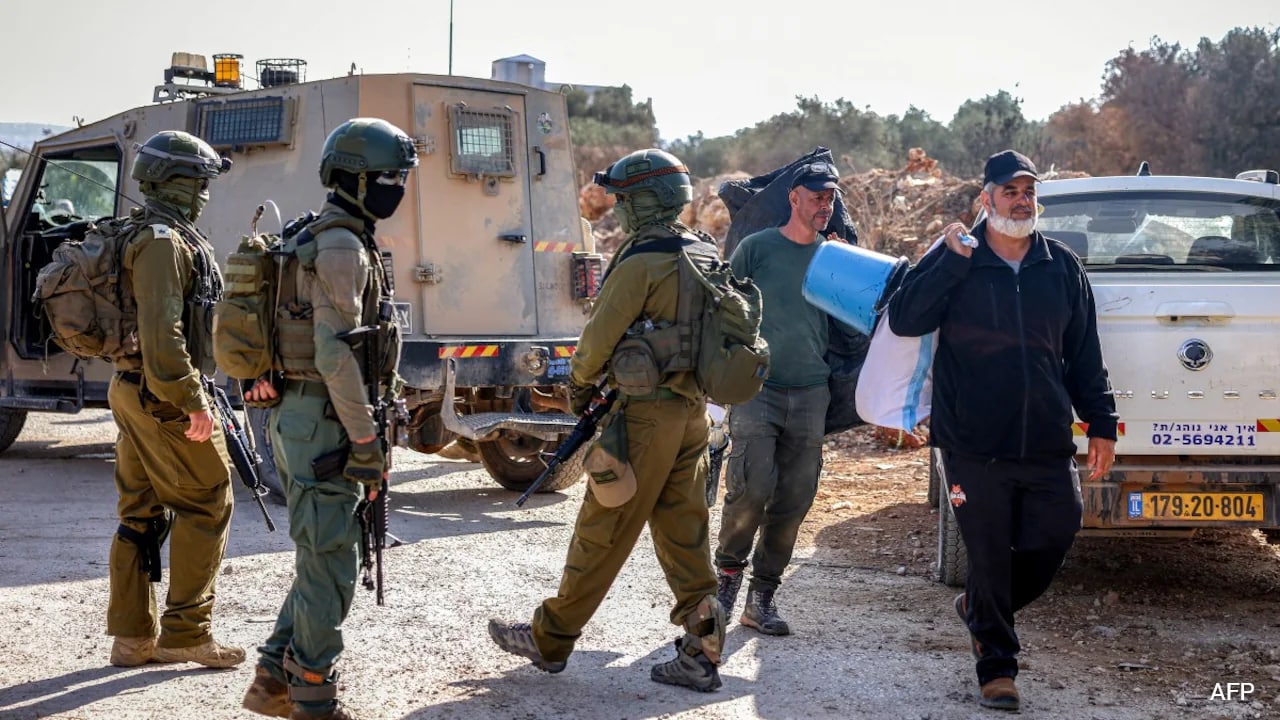
Democracy is supposed to look like long lines of people waiting quietly with ballot papers, maybe arguing softly about taxes or healthcare. But when a country is fighting a multi-front war while trying to vote, the ballot boxes get surrounded by razor wire.
Back in October 2026, Israel faced a unique logistical nightmare. The Knesset elections were looming on October 27, and the military leadership wasn't taking any chances. IDF Chief of Staff Lt. Gen. Eyal Zamir didn't just issue a standard security memo. He ordered a total military-wide leave freeze, poured extra battalions into the West Bank, tightened security rings around Jerusalem, and stationed mobile polling booths deep inside active zones like Gaza and Lebanon. Read more on a similar subject: this related article.
Why go to such extreme lengths? Because hostile actors love a distraction. And an election cycle is the ultimate national distraction.
The Vulnerability of a Democracy at War
When a nation goes to the polls during wartime, adversaries see an opening. Adversaries like Iran, Hamas, or localized cells don't look at an election as a civic duty. They look at it as a vulnerability. Thousands of citizens moving toward public squares, schools, and community centers create soft targets. Additional journalism by NBC News highlights related views on the subject.
Eyal Zamir and the high command understood that any sign of internal friction or lowered guard would invite opportunistic attacks. That is why the military posture shifted to maximum readiness across land, air, and sea. Troops weren't just guarding borders; they were managing roughly 850 makeshift and mobile polling stations deployed everywhere from frontline military outposts to active tactical sectors.
Soldiers had to vote using secure double-envelope systems to prevent any integrity issues while handling live fire. Imagine casting your vote for the 26th Knesset while stationed yards away from a contested perimeter. That is a stark reminder of how deeply intertwined national security and civic life are in the region.
Moving Beyond the Panic Cycle
Most casual observers look at these massive troop movements and assume an immediate, full-scale invasion is about to launch. That is usually a misread. Reinforcing every front ahead of a major political milestone is about deterrence, not just aggression.
If you project absolute preparedness, you change the math for anyone thinking about striking while the country's attention is divided. It is a classic military principle. Show strength everywhere so you have to fight nowhere. By freezing leaves and bringing standing forces up to peak alert, the IDF aimed to ensure that the democratic process could actually happen on schedule without turning into a security catastrophe.
The broader operational picture reveals a military trying to thread a very narrow needle. Looking ahead into the following year, the IDF signaled plans to shorten mandatory reserve duty days and pivot back toward core training for standing forces as active high-intensity combat began to wind down. But getting to that point required surviving the electoral crucible without a major security collapse.
When ballots and bullets mix, there is no room for error. Israel’s October 2026 lockdown proved that protecting the right to vote sometimes requires treating the entire country like a forward operating base.


