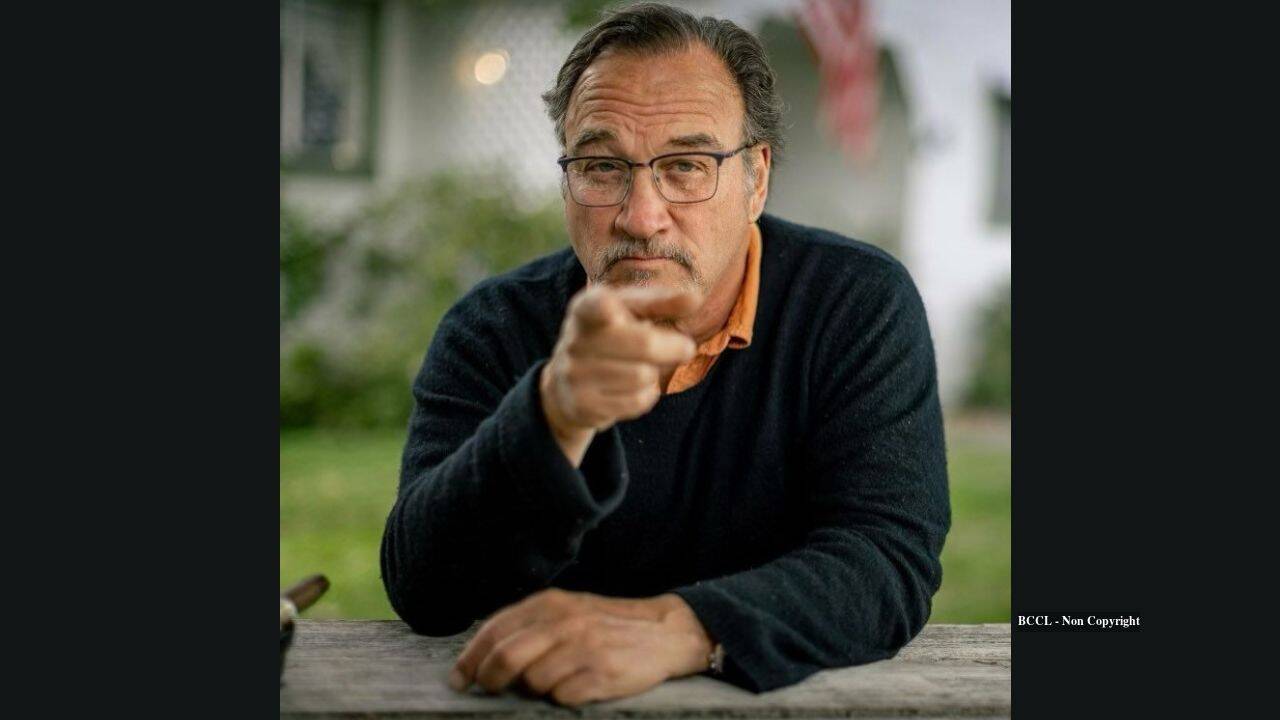
Jack White wants you to care about his moral outrage. He wants you to nod along as he climbs the highest digital soapbox available and brands Donald Trump the worst American of all time.
It is a great headline. It generates clicks. It plays exceptionally well in green rooms across Brooklyn and Nashville. It is also an intellectually lazy masterpiece that lets everyone involved off the hook.
Let us look at the lazy consensus. The standard media script runs like this: a rock icon makes an exaggerated, historically illiterate hyperbole about a polarizing politician, the internet splits down tribal fault lines for forty-eight hours, and cultural commentators pretend we are engaged in a vital debate about the soul of the republic.
The reality is far worse, and much more boring. Trump is not the worst American of all time. Not even close. Labeling him that requires an astounding ignorance of actual domestic history, a profound misunderstanding of systemic incentives, and an urgent desire to treat complex structural rot as a personal character flaw belonging to one man.
When you call a reality TV host turned president the historical nadir of a country founded on land expropriation and chattel slavery, you reveal a profound lack of historical scale. You also reveal why our cultural commentary is completely broken. We want our villains cartoonish because it spares us from examining the machinery that manufactured them.
The Comfort of Personalized Evil
Assigning absolute villainy to a single individual is a luxury. It allows musicians, actors, and pundits to act as resistance fighters without risking their tour dates, endorsement deals, or tax brackets.
I have watched this game for decades. I have seen cultural elites throw fiery tantrums against whatever political figure is currently dominating the algorithm, treating politics like professional wrestling where the heels and faces change every four years. It is safe rebellion. It is rebellion that gets featured in glossy magazines.
If Trump is the worst American of all time, then the problem is neatly contained. You vote against him, you buy a vinyl record from an artist who denounces him, you post a righteous condemnation on a platform owned by a billionaire, and boom—you are on the right side of history.
The truth is much uglier. Trump is a symptom, not a pathogen. He is the inevitable output of a political and economic system that spent forty years hollowing out the middle class, financializing the economy, treating journalism as a click-driven outrage farm, and convincing millions of working people that the establishment viewed them with absolute contempt.
Jack White is a brilliant musician. His guitar tone on Seven Nation Army is a stadium-rattling masterclass. His analog purism is admirable in a digital wasteland. But his political analysis belongs in a middle school civics textbook edited by panic-stricken publicists.
The Historical Illiteracy Trap
Let us play with a little data and historical scale, since lazy hyperbole hates both.
If we are compiling a list of the worst Americans of all time, the criteria has to be measurable damage to human life, liberty, and institutional stability. We have to look at architects of genocide, industrial-scale corruption, and catastrophic policy failures.
We had presidents who actively presided over the Trail of Tears. We had industrialists who ran private company towns where workers were shot by Pinkerton detectives for demanding an eight-hour day. We had architects of the Jim Crow regime who locked millions of citizens in a caste system for nearly a century. We had financiers who knowingly crashed the global economy in 2008 and walked away with government bailouts while millions lost their homes.
To rank a guy whose primary policy achievements were a tax cut, three Supreme Court nominations, and a series of undisciplined late-night social media posts above men who ordered the slaughter of indigenous populations or engineered chattel slavery requires an astonishing level of historical amnesia.
It also trivializes actual tyranny. When you call a democratically elected leader who left office after one term the worst American ever, you dilute the language of condemnation until it means nothing. If everyone you dislike is the literal worst person in history, then history ceases to exist. Everything becomes an eternal, flat present defined entirely by your current Twitter feed.
The Music Industry Mirror
Why do rock stars feel compelled to deliver these grand moral pronouncements? Because the music industry as a traditional business model is gasping for air, and moral posturing is cheap marketing.
When physical album sales dried up and streaming services turned recorded music into a low-yield utility, artists lost their traditional economic footing. Live touring became the primary engine of revenue. But touring is expensive, brutal, and increasingly dominated by massive corporate conglomerates like Live Nation and Ticketmaster—entities that artists routinely complain about while continuing to cash their checks.
Instead of fighting the corporate consolidation of the live entertainment industry—a battle that would actually affect their bottom lines and require sustained, unglamorous organizing—artists choose the cultural battlefield. Taking a swing at Trump costs nothing. In fact, within certain demographics, it is a brand-enhancement strategy. It guarantees headlines, assures steady social media engagement, and frames the artist as a fearless truth-teller.
It is wrestling kayfabe for the cultural elite. Both sides play their assigned roles. The musician delivers the righteous promo. The fans cheer or boo. The media aggregates the quotes. Nothing changes. The ticket prices go up anyway.
Stop Looking for Monsters
The obsession with finding a singular monster to blame for our national malaise prevents us from fixing anything.
If Trump vanishes tomorrow, the structural conditions that produced him remain completely untouched. The housing crisis will still lock generations out of property ownership. The healthcare system will still bankrupt families over routine procedures. The media ecosystem will still reward division because outrage drives advertising revenue. Algorithmic feeds will still radicalize teenagers in their bedrooms because anger keeps retention metrics high.
You cannot vote away structural rot with moral purity tests. You certainly cannot fix it by letting aging rock stars dictate the moral hierarchy of the republic.
Jack White wants a simple narrative. He wants a clear line between the good guys, who play vintage guitars and make impassioned speeches, and the bad guys, who wear red hats and break norms.
Real life refuses to cooperate with that script. The worst damage done to America is rarely committed by cartoon villains acting out of pure malice. It is committed by respectable professionals in tailored suits operating within institutional incentives that reward short-term greed, systemic indifference, and intellectual laziness.
Until we are willing to dismantle those systems instead of howling at whatever reality TV star is currently occupying the national spotlight, we will keep recycling the same empty outrage, concert after concert, election after election, getting poorer, angrier, and more divided while the stadium lights hum in the background.