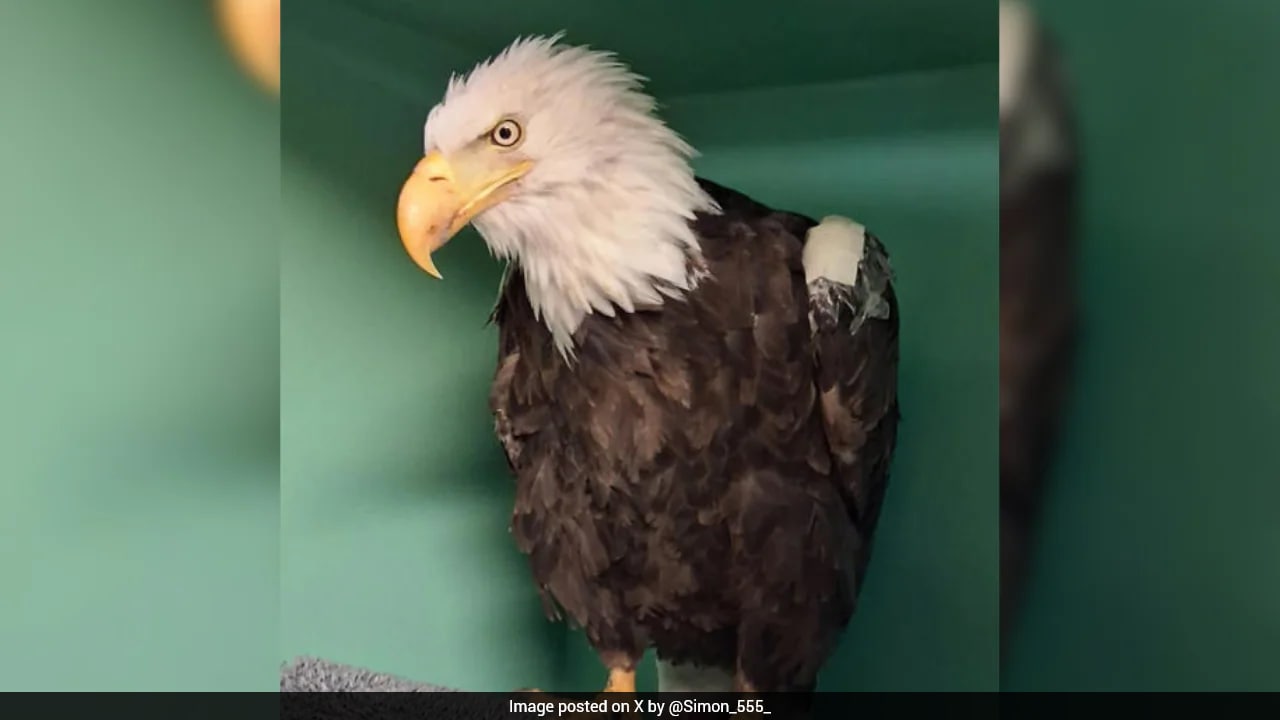
Jackie didn't go out in a sudden storm or a dramatic territorial clash. She faded over weeks, quietly losing ground to a virus that looked nothing like what people expect from bird flu.
For millions of livestream watchers, the roughly 14-year-old bald eagle from California's Big Bear Valley wasn't just a wildlife statistic. She was the first bald eagle documented hatching in the valley to parents Ricky and Lucy, a year-round fixture alongside her mate Shadow, and a living symbol of how raptors clawed back after the DDT era. When she died on August 10, 2026, after more than three weeks of intensive care at the Ojai Raptor Center, people waited months for answers. In mid-October, the California Department of Fish and Wildlife (CDFW) and the San Diego Zoo Wildlife Alliance released the necropsy findings: highly pathogenic avian influenza (HPAI) was the primary underlying cause of her decline.
Honestly, that headline surprises a lot of people. Because there wasn't a big, obvious die-off sweeping bald eagles in the area, and because Jackie's clinical picture didn't match textbook bird flu symptoms.
Why Jackie's Bird Flu Case Caught Experts Off Guard
When Jackie was rescued in July 2026 after a ground altercation with two younger eagles, she couldn't fly and was noticeably thin—a sign she'd likely been struggling for a while rather than getting hit by a single sudden blow. Once at the Ojai Raptor Center, veterinary teams treated her for overlapping issues, including severe anemia.
Pathologists at the San Diego Zoo Wildlife Alliance ran the necropsy along with lab and toxicology tests. What they found wasn't a neat, single-line cause of death. Instead, HPAI acted as the primary driver behind a chain reaction of chronic damage.
- Gastric ulceration and blood loss: Jackie had severe inflammation and ulceration in her ventriculus—the muscular part of a bird's stomach—leading to ongoing internal bleeding and persistent anemia.
- Secondary bacterial sepsis: Damaged tissue in the digestive tract gave bacteria an opening into her body, triggering a serious bacterial infection.
- Heart and vessel complications: Veterinarians also documented severe inflammation and blood clots in her heart and major blood vessels.
- Viral traces: Genetic material from HPAI turned up across multiple tissues, including the damaged ventriculus.
Other usual suspects were ruled out or cleared as primary drivers. West Nile virus wasn't found, and lead levels were within acceptable limits. Toxicology did detect brodifacoum—an anticoagulant rodenticide—in her liver, though pathologists noted she didn't show the uncontrolled bleeding typical of primary rodenticide poisoning, so it wasn't identified as the main cause of illness or death.
That nuance matters. Too often, people treat wildlife illness like a light switch: either it's bird flu or it isn't, either it's poison or it isn't. In the wild, an aging raptor carrying chronic stress and compounding tissue damage can end up in a slow spiral where one trigger sets off several cascading failures.
How Avian Influenza Moves Through Raptors
Waterfowl and shorebirds are natural reservoirs for type A influenza viruses, including strains like H5N1. Eagles, hawks, owls, and other raptors don't usually sit at the center of that reservoir by choice—they get exposed when they scavenge infected carcasses, hunt sick waterfowl, or come into contact with contaminated environments.
Once a raptor is infected, outcomes vary wildly. Some birds get hit hard and fast; others linger with atypical signs that don't scream "avian flu" during a quick intake exam. In Jackie's case, her mate Shadow and their eaglets showed no signs of illness, reminding us that one high-profile loss doesn't automatically mean an entire nest or valley is collapsing.
Still, let's be real about the risk. Raptorial birds sit near the top of local food webs. If a virus circulates in waterfowl or shorebirds, opportunistic predators and scavengers are always on the front lines. And because Jackie's remains were cremated after investigation to prevent transmission, officials took standard biosecurity precautions so the virus wouldn't spread further.
Beyond the Livestream: What Her Story Actually Means
Watching a nest cam builds a real bond. You see snowstorms, clumsy chicks, fierce nest defense, and quiet mornings. When an animal like Jackie dies, the grief feels personal—and in Big Bear, that grief turned into memorials, a monument, legislative recognition, and ongoing habitat work led by groups like Friends of Big Bear Valley alongside state agencies.
At the same time, there's a trap in turning a single beloved bird into a totalizing narrative. Bald eagle numbers in the contiguous United States have rebounded dramatically since DDT restrictions and federal protections—reaching an estimated 316,700 by 2020, quadrupling since 2009. One eagle's death doesn't erase decades of recovery, nor does it prove a massive new eagle-specific outbreak on its own. What it does show is how fragile even a tough, iconic apex bird can be when viral illness, internal bleeding, and secondary infection stack up.
If you care about raptors—whether you watched Jackie for years or just got pulled in by the news—here's what you can actually do right now:
- Report sick or dead wild birds properly: If you spot dead or visibly impaired wild birds, check reporting channels through California Department of Fish and Wildlife or your local state wildlife agency rather than handling the bird yourself. Wildlife agencies pay special attention to clusters of five or more dead wild birds and coordinate surveillance.
- Don't touch or transport sick wildlife bare-handed: Keep pets away from dead birds, waterfowl, or wildlife carcasses, and leave rescues to trained rehabilitators or wildlife officers.
- Cut back on rodent poisons around your property: Even when a toxin isn't the primary killer in a specific case, anticoagulant rodenticides move up food chains into owls, hawks, and eagles. Using non-chemical exclusion and sanitation first protects predators from unnecessary chemical load.
- Support habitat and disease surveillance: Back local conservation nonprofits, land trusts, and wildlife health programs that fund veterinary diagnostics and protect foraging and nesting habitat.