Ground doesn't just shake in Kumamoto; it rolls, splits, and breaks. When a shallow magnitude 7.1 earthquake slammed Japan's southern island of Kyushu, millions felt that familiar, stomach-dropping terror. This wasn't a distant rumble. It struck at a shallow depth of just 10 kilometers, turning everyday infrastructure into chaotic hazard zones within seconds.
If you're watching from abroad, you probably wonder how a country keeps absorbing these massive blows without completely falling apart. The reality on the ground is messy, tragic, and an absolute masterclass in disaster resilience.
What Happened on Kyushu Island
The violent tremors centered near Uto and Kumamoto city, hitting the region with a maximum intensity of 7 on the Japanese shindo scale. That top-tier rating means walls shift, unanchored furniture flies, and standing upright becomes nearly impossible.
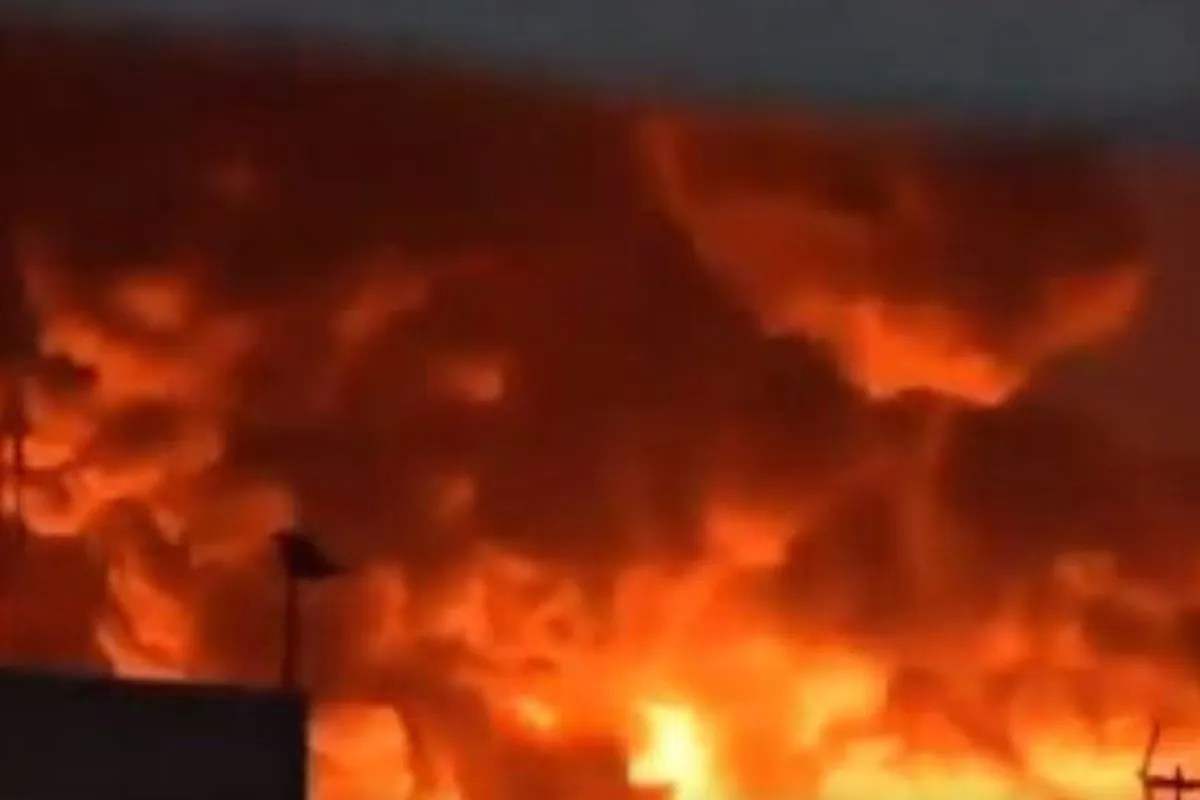
Within minutes, the cascading effects took hold. Part of a busy shopping mall in Kashima Town collapsed, trapping workers and shoppers beneath heavy debris. An explosion ripped through the structure shortly after, complicating rescue efforts. At a nearby paper mill in Yatsushiro, a massive industrial chimney came crashing down. Roads buckled, highways developed massive fissures, and power cuts left tens of thousands of homes in the dark.
Major industrial players didn't escape unscathed either. High-tech factories operated by semiconductor giant TSMC, Sony, and Fujifilm immediately evacuated workers to inspect for structural and equipment damage.
The Real Reason Casualties Stay Lower Than Expected
Mother Nature packs an immense punch in East Asia, but human engineering usually softens the blow. Japan's strict building codes are legendary for a reason. Modern structures are built to flex, absorb, and isolate seismic shockwaves rather than fight them rigidly.
Without those rigorous engineering standards, a shallow 7.1-magnitude jolt beneath a densely populated region would spell total catastrophe. Instead, while older wooden homes and specific commercial properties suffered partial collapses, the vast majority of buildings stood firm.
Prime Minister Sanae Takaichi mobilized thousands of Self-Defense Force personnel almost immediately. Helicopters took to the air to survey isolated damage zones while emergency crews worked through the night. Search and rescue operations remain a grueling race against time, especially with secondary hazards threatening the region.
The Danger After the Shaking Stops
Earthquakes rarely happen in isolation. The immediate aftermath brings a relentless barrage of secondary threats that catch unprepared people off guard.
Meteorological agencies quickly issued and then lifted tsunami advisories for local seas, but the threat of landslides remains dangerously high. Heavy ground shifting destabilizes hillsides, turning rural roads into death traps.
Evacuation centers filled up fast. More than 9,000 residents packed into hundreds of designated shelters across multiple prefectures, facing sweltering summer heat compounded by water and power outages. Local hospitals struggled to treat fractures, burns, and trauma cases while running on backup generators.
If you ever find yourself traveling through active seismic zones like Kyushu, take local safety alerts seriously. Keep an emergency go-bag ready with water, cash, a portable charger, and sturdy shoes. Pay attention to hotel evacuation maps. When the ground stops moving, the real work begins, and preparation is the only thing standing between survival and disaster.