The calendar does not kill children. Yet every year in Japan, the transition from summer vacation back to the classroom triggers a grim surge in youth fatalities. September first stands out as a statistical anomaly that haunts public health officials, educators, and families across the archipelago. When the final weeks of August wind down, youth suicide rates spike. This phenomenon is not an unpredictable tragedy. It is a predictable pressure cooker, engineered by rigid institutional expectations, social isolation, and an educational framework that struggles to adapt to the mental health needs of modern adolescents.
Reporting on this issue requires peeling back the polite veneer of institutional responses. For decades, the standard narrative focused on bullying as the sole catalyst. While schoolyard abuse and online harassment remain severe threats, the reality is far more systemic. The return to school means a return to uniform compliance, intense academic competition, and the heavy psychological weight of group conformity. Understanding why students choose to end their lives rather than walk back through the school gates requires looking closely at the structure of Japanese society itself.
The Chronology of a Crisis
Statistics compiled by the Japanese Ministry of Health, Labour and Welfare reveal a stark reality. Minors aged 18 and under take their own lives more frequently on September first than on any other single day of the year. August thirty-first and September second follow closely behind.
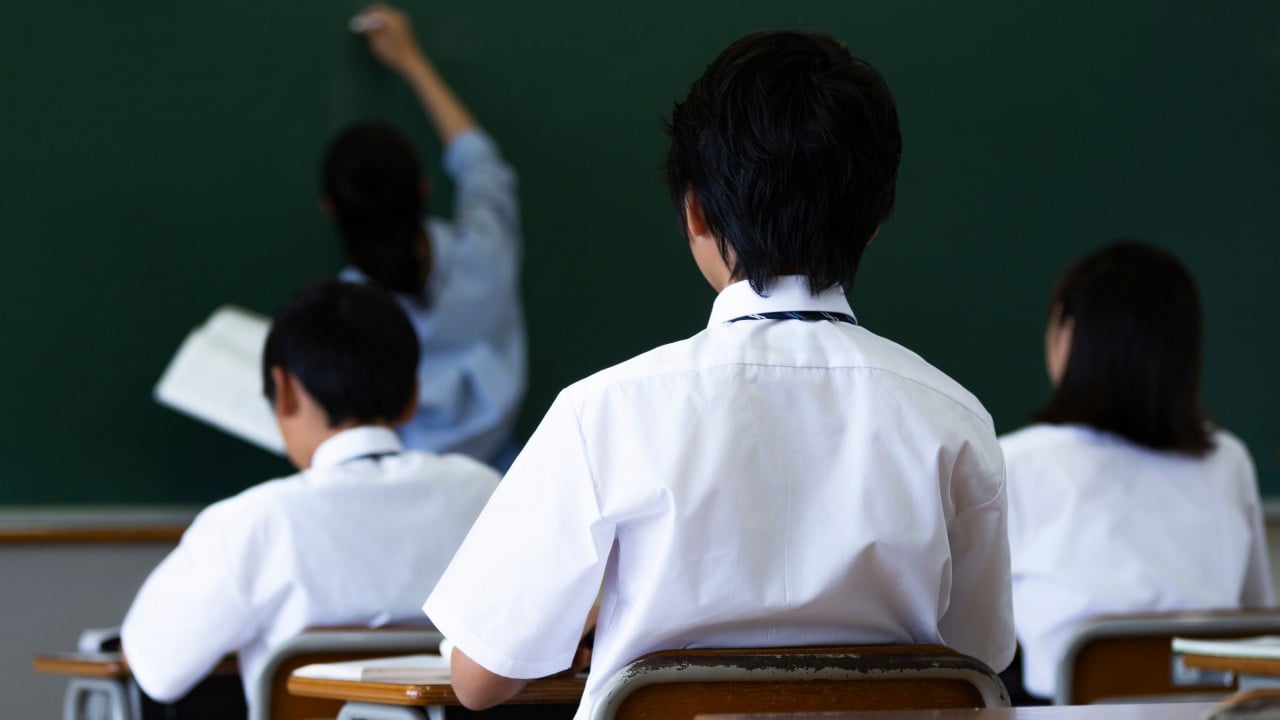
This temporal concentration points directly to the school calendar. The long summer break offers a temporary sanctuary. Away from the strict hierarchies of homeroom classes, club activities, and social pressure, vulnerable children find breathing room. As the end of August approaches, that sanctuary vanishes. The dread of facing tormentors, failing exams, or disappointing parents accumulates into an unbearable weight.
Consider the mechanics of the Japanese school year. Terms are divided by breaks, but the summer vacation is the longest reprieve. When children return, they face immediate re-entry into a high-stakes environment. For a child experiencing severe school refusal, known as futoko, the start of September represents the resumption of a daily trial.
Beyond Bullying
Bullying, or ijime, receives the bulk of media attention when youth suicide makes headlines. Public outcry demands stricter anti-bullying policies, anonymous reporting boxes, and teacher vigilance. These measures are necessary, but they address only one symptom of a broader institutional failure.
The pressure to conform is equally lethal. Japanese schools emphasize group harmony and collective identity. Standing out can make a student a target, while failing to meet academic benchmarks brings shame not just to the individual, but to the family unit. The entrance exam culture, which begins casting shadows years before university admissions, permeates the secondary and even primary education system. Cram schools, or juku, consume evenings and weekends, leaving little room for psychological decompression.
Another overlooked factor is the phenomenon of hikikomori, extreme social withdrawal, which often starts with school refusal. When a student refuses to attend class, the immediate societal response is often corrective rather than supportive. Instead of addressing the underlying anxiety or depression, the system pushes for attendance, viewing truancy as a moral failing rather than a mental health crisis.
Institutional Blind Spots and Cultural Barriers
Japan has made strides in addressing mental health, but significant cultural hurdles remain. Seeking psychological help carries a lingering stigma. Therapy is rarely integrated into the daily routine of a standard school, and school counselors are often overworked, underqualified, or viewed with suspicion by students who fear confidentiality breaches.
Teachers are similarly overextended. Japanese educators handle administrative duties, club supervision, moral guidance, and pastoral care alongside academic instruction. Expecting a teacher to spot the subtle, internalizing signs of suicidal ideation among forty students in a single classroom is unrealistic. When problems do surface, institutional self-preservation sometimes takes precedence. Schools and boards of education have historically been accused of downplaying bullying incidents to protect their reputation, leaving victims isolated and without recourse.
Civil society organizations and grassroots nonprofits have stepped into the void. Helplines operating via text and chat apps have proven more effective than traditional phone services, as modern youth prefer written communication when discussing trauma. Yet, these services remain underfunded and reactive rather than proactive.
The Path Forward and Remaining Hurdles
Preventing the September spike requires dismantling structural elements that turn education into an endurance test. Some municipalities have experimented with shortening or staggering school terms, reducing the abruptness of the transition from vacation to classroom. Others have embraced flexible learning models that accommodate students who cannot cope with traditional attendance requirements.
True reform demands a shift in cultural values. As long as academic achievement outweighs emotional well-being, children will continue to fall through the cracks. The burden cannot rest solely on teachers or parents; it requires a national commitment to redefining success on terms that do not cost young lives.
The bell rings, the doors open, and thousands of students file back into hallways designed for a different era, leaving the rest of society to brace for the inevitable statistics.