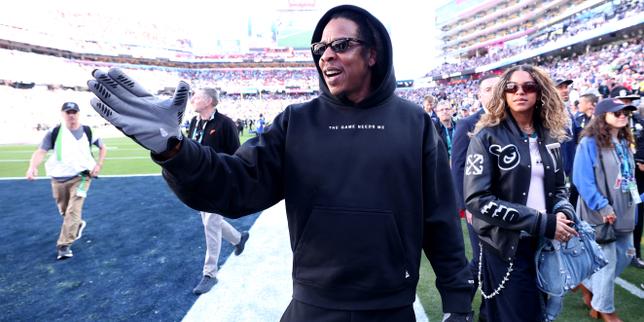
He spent seven years handing out the biggest gig in live music to everyone else. Now, Jay-Z is finally taking the microphone himself.
The NFL, Apple Music, and Roc Nation officially confirmed that the Brooklyn rap mogul will headline the Super Bowl LXI Halftime Show on February 14, 2027, at SoFi Stadium in Inglewood, California. On the surface, it looks like a victory lap for a 25-time Grammy winner celebrating three decades in the industry. Look closer, though, and you'll see a masterclass in corporate timing, brand synergy, and musical politics.
Most coverage treats this announcement like standard entertainment news. That misses the real story. When the executive producer of the Super Bowl Halftime Show books himself for the main slot, it raises serious questions about conflicts of interest, setlist strategy, and whether an East Coast purist can command a massive stadium crowd in Southern California.
The Producer Becomes the Main Event
Since 2019, Jay-Z's entertainment company, Roc Nation, has served as the NFL's live music entertainment strategist. In plain English, Jay-Z has been the gatekeeper for the halftime stage. Under his watch, the show transformed from a safe, legacy-rock affair into a cultural powerhouse featuring Shakira, Jennifer Lopez, The Weeknd, Dr. Dre, Rihanna, Usher, Kendrick Lamar, and Bad Bunny.
That run earned critical acclaim and multiple Emmy awards, including a record seven wins for Bad Bunny's February 2026 broadcast. Because of that track record, critics immediately raised eyebrows when the NFL announced Jay-Z as the 2027 headliner during a Monday Night Football broadcast between the Dallas Cowboys and Philadelphia Eagles.
NFL Hall of Famer Terrell Owens didn't hold back on his podcast, calling the booking a clear conflict of interest and arguing that other artists deserved the slot. It's a fair point. In almost any other industry, awarding yourself the most coveted contract under your own purview would trigger an ethics review.
Here's the catch, though. NFL Commissioner Roger Goodell revealed that he actually pushed for this exact outcome years ago. Goodell stated that when the league first signed its partnership with Roc Nation in 2019, his one personal request was that Jay-Z take the stage himself whenever the timing felt right.
Whether you view it as self-dealing or fulfilling a commissioner's mandate, the optics are undeniable. Jay-Z waited until his production team proved they could dominate the Emmy Awards and global streaming metrics before stepping into the spotlight. Nobody can accuse him of using the NFL to rescue a fading career. He's entering the building from a position of total leverage.
Why February 2027 at SoFi Stadium Makes Total Sense
If you look at Jay-Z's 2026 calendar, the Super Bowl announcement wasn't a surprise—it was the logical conclusion to a year-long rollout.
2026 marks the 30th anniversary of his landmark debut album, Reasonable Doubt, and the 25th anniversary of The Blueprint. Rather than dropping a quiet greatest-hits compilation, Jay-Z launched the "JAY-Z30" concert series. He played high-profile shows at Yankee Stadium, traveled to Paris and London, and wrapped up the run with two massive nights at SoFi Stadium on October 23 and 24.
Just days after walking off that Inglewood stage, the NFL dropped the Super Bowl LXI confirmation.
Think about the logistics of that timing. Jay-Z just tested his live production, sound engineering, and crowd pacing inside the exact 70,000-seat venue where he will perform on Valentine's Day 2027. Most halftime headliners spend months stressed about how their audio will bounce off SoFi Stadium's massive translucent canopy roof. Jay-Z already ran a live dress rehearsal in front of paying fans.
He also tapped directly into his own reflections on the milestone. In his official statement, Jay-Z noted the arc from releasing Reasonable Doubt to standing on the world's biggest stage, calling the 30-year run of music, work, and culture a dream come true. By tying the Super Bowl directly to his 30th anniversary, he turns a 13-minute television broadcast into a permanent historical monument for his catalog.
What Most People Get Wrong About Jay-Z's Live Catalog
Whenever an older hip-hop icon books the Super Bowl, casual football fans panic. They worry the show will feel dated or lack the high-energy pop hooks required to keep 120 million viewers from grabbing another plate of nachos.
That concern completely misunderstands Jay-Z's discography.
Unlike underground lyricists whose best work lives on obscure mixtapes, Jay-Z spent two decades engineering stadium-sized anthems. You don't need to be a die-hard hip-hop historian to recognize the opening horns of "Public Service Announcement," the synth line of "Dirt Off Your Shoulder," or the massive chorus of "Empire State of Mind."
Even better, his catalog is built on iconic collaborations. Look at who joined him during his October 2026 tour stops for a preview of how deep his bench runs:
- Beyoncé, who joined him at Yankee Stadium and already has two legendary Super Bowl halftime appearances under her belt.
- Dr. Dre and Snoop Dogg, who closed out his SoFi Stadium finale and previously headlined the Super Bowl LVI show in that exact same venue.
- Rihanna and Eminem, both former Roc Nation Super Bowl headliners who shared the stage with Jay-Z during his New York dates.
- Alicia Keys and John Legend, two Roc Nation-managed artists who are already rumored to be in active discussions for guest spots in February.
Alicia Keys makes almost too much sense. Performing "Empire State of Mind" in the middle of Los Angeles gives Jay-Z an effortless, universally loved closer that bridges New York grit with mainstream pop appeal. Meanwhile, bringing out Dr. Dre or Snoop Dogg pays immediate respect to the West Coast crowd in Inglewood.
If you're betting on surprise guests, ignore the random pop stars and watch the Roc Nation roster. Jay-Z rarely shares a stage without an underlying business or creative connection.
The Real Challenge Waiting in Inglewood
Having a deep catalog doesn't guarantee a flawless halftime broadcast. In fact, Jay-Z faces three specific hurdles that could make or break the February 14 show.
First, there's the censorship trap. Jay-Z's sharpest verses rely on raw street storytelling and explicit language. On a live network broadcast airing across ESPN, ABC, and Disney+, every third word of tracks like "99 Problems" or "Niggas in Paris" has to be scrubbed or altered. When rappers self-censor too heavily on live TV, the rhythmic flow breaks down, and the performance loses its edge.
Second, pacing a 13-minute medley is brutal. Jay-Z has over a dozen solo albums and countless guest verses. If he tries to cram 20 songs into 13 minutes, each track gets reduced to a 30-second snippet. That works for dance-heavy pop stars like Rihanna, who can transition smoothly through choreography. For a solo rapper relying on vocal delivery and crowd command, rapid-fire beat switches can feel disjointed. He'll need to commit to full verses on five or six massive records rather than chasing a bloated checklist of hits.
Third, solo stage presence without elaborate choreography is tough in a venue the size of SoFi Stadium. Jay-Z isn't going to do backflips or lead a 40-person dance troupe like Usher did in 2024. His weapon is effortless cool, sharp breath control, and massive visual staging. Director Hamish Hamilton, who returns to direct the broadcast alongside Roc Nation's executive production team, will have to rely heavily on lighting architecture, live instrumentation, and camera movement to keep the energy high for viewers watching at home.
How to Prepare for the Super Bowl LXI Halftime Broadcast
If you want to actually appreciate what Jay-Z pulls off in February—and avoid getting caught off guard by deep cuts—don't just tune in blindly at halftime.
Start by revisiting three specific eras of his catalog: the Blueprint soul-sample era from 2001, the arena-rap dominance of The Black Album in 2003, and his collaborative Watch the Throne material from 2011. Those three projects contain roughly 80 percent of the tracks built for a massive stadium sound system.
Pay close attention to the guest announcements—or lack thereof—over the next two months. Roc Nation notoriously locks down guest appearances until the final days before kickoff to maximize social media shock value. Watch who shows up at Roc Nation's pre-Super Bowl brunch in Los Angeles during game week; historically, at least one person photographed at that event ends up walking out onto the turf the next afternoon.
Finally, keep an eye on the live band arrangements. Jay-Z's best live performances, from his 2006 Reasonable Doubt orchestral concert at Radio City Music Hall to his Glastonbury headline set, relied on heavy brass sections and live drums rather than flat backing tracks. If he brings a full horn section to SoFi Stadium on February 14, you'll know within the first ten seconds that he came to deliver a career-defining performance.