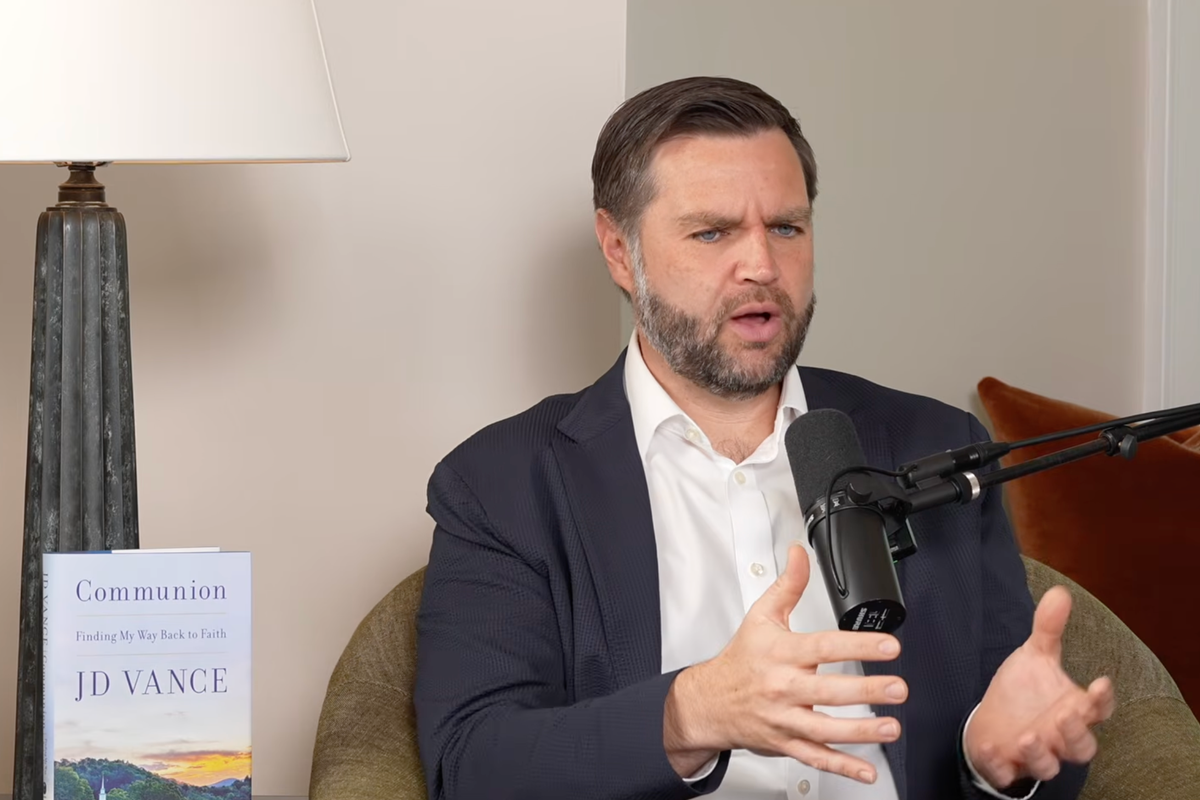
We live in strange times when high-ranking politicians openly muse about biblical doomsdays and supernatural villains. Vice President JD Vance recently sat down for a wide-ranging podcast interview with Christian creator Bryce Crawford. Instead of sticking to standard talking points about inflation or infrastructure, the conversation drifted into heavy theological territory. Vance dropped a line that quickly caught fire across the internet. He admitted that given the current state of the world, he wouldn't be shocked if the Antichrist were already walking among us.
That is quite a statement from a heartbeat away from the presidency. But why are we hearing this kind of apocalyptic language from modern leaders? Let's look past the viral headlines to examine what these comments actually mean for politics, culture, and our collective anxiety.
The Roots of End Times Fascination
Vance didn't pull these ideas out of thin air. During the chat, he mentioned that he has been fascinated by end times prophecy since his childhood. He even recalled a study Bible he received around age ten. Like many kids growing up in the late nineties, the approach of the new millennium sparked a massive cultural obsession with the book of Revelation, Y2K fears, and prophecy.
Yet, there is a big difference between a kid reading a study Bible in Ohio and a sitting vice president reflecting on global chaos through a lens of cosmic warfare. Vance noted that while he finds the topic interesting, he tries not to obsess over it because dwelling on doom is spiritually unhealthy. Still, the slip of the tongue revealing that he wouldn't be surprised by the Antichrist shows how deeply theological frameworks shape his worldview.
When politicians view earthly conflicts through an apocalyptic filter, compromise becomes difficult. If your political opponents are simply playing a role in a grand cosmic script leading to the end of the world, normal governance takes a backseat.
Silicon Valley and Spiritual Dark Energy
The conversation didn't stop at biblical prophecy. Vance tied his spiritual concerns directly to modern technology, specifically targeting artificial intelligence and Silicon Valley. He described certain tech industry practices as carrying a "weird spiritual dark energy".
He shared an anecdote about an acquaintance who used an AI application as a marriage counselor. For Vance, replacing human intimacy with algorithms crosses a dangerous line. He views it as divorcing humanity from the social bonds that God intended.
You don't have to look far to find people agreeing with the creepy factor of AI companionship. Treating a string of computer code as a partner or a therapist feels dystopian to plenty of secular critics, too. But framing it as "satanic" or tied to dark forces bridges the gap between traditional religious conservatism and modern tech backlash. It taps into a widespread, nagging fear that we are building tools we cannot control, and those tools are slowly eroding our humanity.
Defending Trump and the AI Image Controversy
The podcast also touched on a bizarre moment from earlier in the year when President Donald Trump shared an AI-generated image of himself dressed in a white robe and red sash, looking uncannily like Jesus. The post drew sharp backlash from religious critics who felt it crossed the line into blasphemy. Trump later deleted the post and claimed he thought the image depicted him as a doctor or Red Cross worker.
Vance came to his boss's defense during the interview. He argued that Trump meant no offense and wasn't trying to mock God. According to Vance, Trump is just a ballbuster who likes to keep things light.
This defense highlights the strange tightrope walked by religious conservatives in modern American politics. They must reconcile deeply held, traditional dogmas with a populist leader whose online behavior often shocks traditional sensibilities. Labeling controversial actions as mere jokes or misunderstood memes allows supporters to brush past theological red flags without breaking political ranks.
What This Tells Us About Modern Politics
We are witnessing a blending of secular governance and intense religious fatalism. When leaders openly express comfort with the idea that their work might trigger biblical doomsday scenarios, it shifts the political horizon. Long-term planning, climate policies, and institutional stability matter less if you believe history is hurtling toward a predetermined, supernatural climax anyway.
Pay attention to how these narratives evolve. The language of demons, dark energy, and the Antichrist is no longer confined to fringe internet forums or Sunday sermons. It is sitting right inside the executive branch, shaping how our leaders interpret technology, foreign policy, and power. Take a close look at the rhetoric coming from Washington, because the line between political strategy and apocalyptic belief is getting blurrier by the day.

