Don't let the headlines fool you.
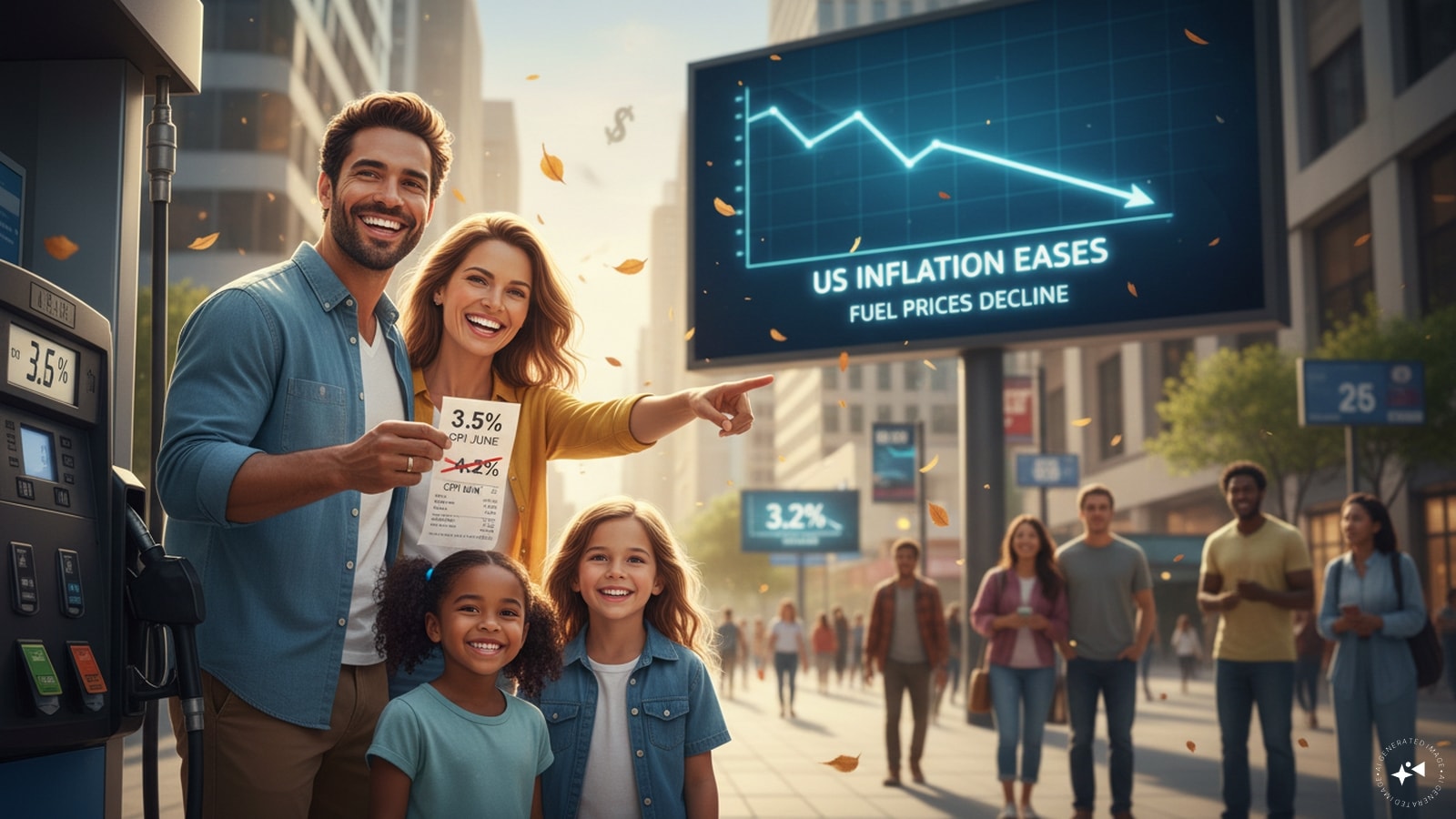
On Tuesday, the Bureau of Labor Statistics dropped the latest Consumer Price Index (CPI) report, and the raw numbers look like a massive win. Headline inflation cooled down to an annual rate of 3.5% in June, falling from a painful 4.2% in May. On a month-over-month basis, prices actually fell by 0.4%—marking the single largest monthly drop we've witnessed since the pandemic lockdown days of April 2020.
Wall Street instantly celebrated, sending stock market futures surging because everyone suddenly thinks the Federal Reserve can sit on its hands at the July 29 meeting instead of hiking interest rates again.
But if you dig into the data, this sudden relief is incredibly fragile. It's basically an illusion built on a temporary geopolitical anomaly that has already evaporated.
The Oil Illusion and the Geopolitical Trap
If you want to know why inflation took a dive in June, look straight at your local gas pump. The energy index plummeted 5.7% over the month, dragged down by a massive 9.7% crash in gasoline prices.
That sounds great until you realize why it happened. The drop was fueled by a temporary 60-day ceasefire memorandum of understanding between the U.S. and Iran, which briefly reopened vital commercial shipping lanes and dragged crude oil prices down through June.
The problem? That truce is already completely dead.
Tensions have flared right back up over control of the Strait of Hormuz. The moment the agreement collapsed, oil prices marched right back up. On the exact same day this cool CPI data hit the press, Brent crude bounced back over $86 a barrel as news broke of renewed military blockade plans.
Think about it this way: the June data is looking backward through a rearview mirror at a peaceful window that no longer exists. Even with that June dip, gasoline prices are still up a brutal 26.7% compared to this time last year. Energy costs have been on a wild ride ever since conflict began in late February, and the temporary relief we felt last month is completely disconnected from today's reality.
What the Core Data Actually Tells Us
Smart money ignores the headline number and looks straight at core CPI, which strips out volatile things like food and energy. Core inflation did ease to 2.6% on an annual basis, down from 2.9% in May.
That is progress, sure. But look at what is still sticky.
Shelter costs—which make up a massive chunk of everyday household expenses—climbed 3.3% over the past 12 months. Grocery bills aren't cooperating either. The food index rose 0.2% in June, matching May's increase. If you've bought eggs lately, you already know the pain: the egg index jumped another 4.3% in just one month. Dairy and related products crept up 1.2% in June alone.
So while certain discretionary items like car insurance (-2.0%) and apparel (-0.6%) offered minor relief, the structural costs of keeping a roof over your head and putting food on the table remain stubbornly high.
How to Protect Your Wallet from the Next Spike
Waiting for the government or the Federal Reserve to save you with rate cuts is a losing strategy. Goldman Sachs analysts pointed out before the release that any serious re-escalation in geopolitical conflict threatens to revive upside inflation risks and push the Fed toward more rate hikes.
You need to take immediate steps to insulate your own finances from a late-summer rebound in prices.
- Lock in fixed energy costs now: If you live in a state with a deregulated energy market, stop riding the variable-rate wave. Lock in a fixed-rate utility contract before summer electricity demands and rising oil costs hit your bill.
- Audit your recurring service contracts: The June report showed drops in communication services (-1.5%) and minor dips in car insurance. Use this window of temporary cooling to call your providers and renegotiate your rates. They are feeling the pressure of consumer pull-back and are more likely to offer loyalty discounts right now.
- Front-load major transport-related expenses: If you know you need tires, a major vehicle service, or airline tickets—which are up a staggering 26.5% year-over-year—book or buy them before fuel surcharges get factored back in later this summer.
The August 12 inflation report is highly unlikely to match June's optimism. Take advantage of the current market pause to tighten your budget defenses before the energy market forces everyone else to play catch-up.