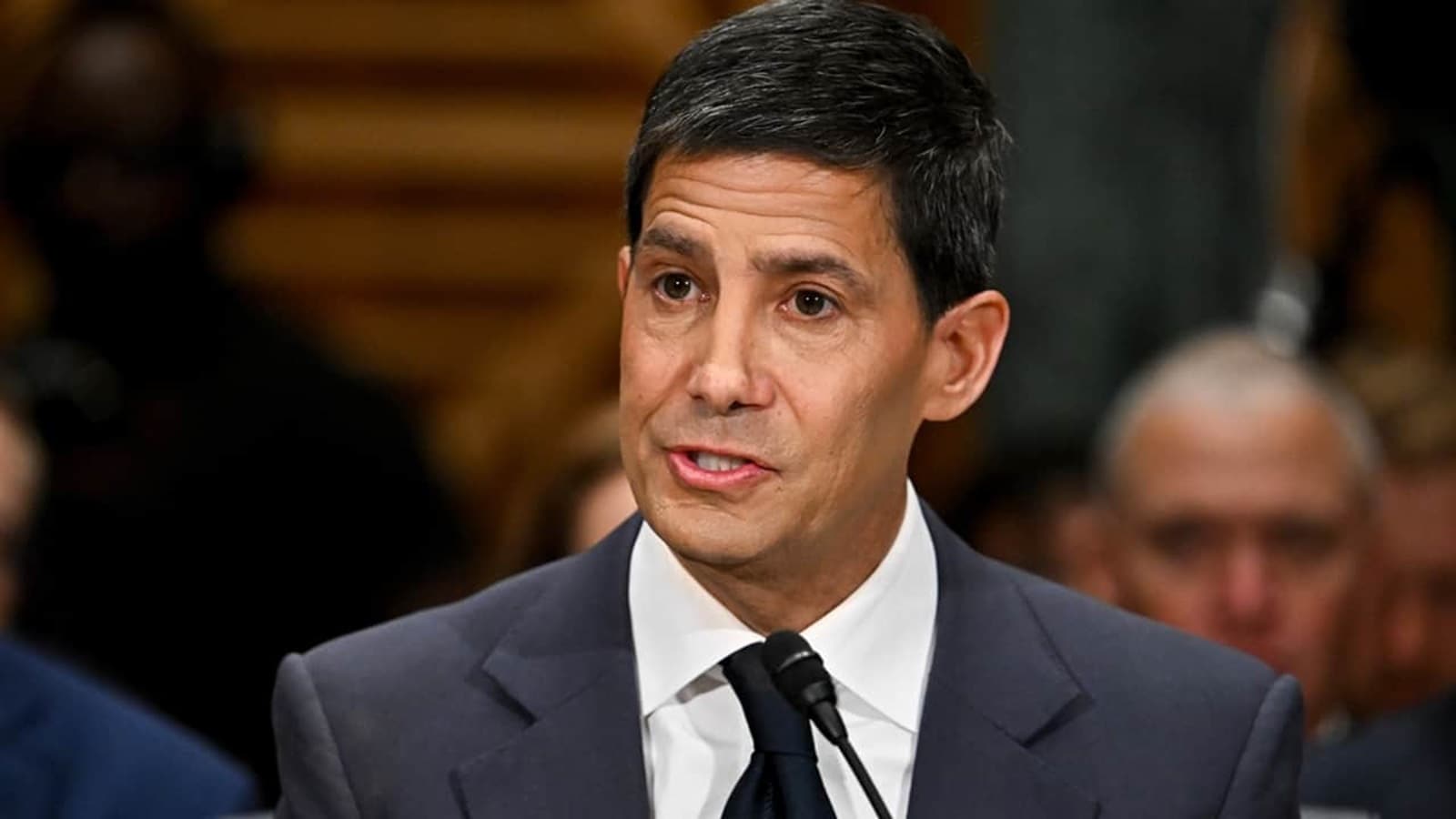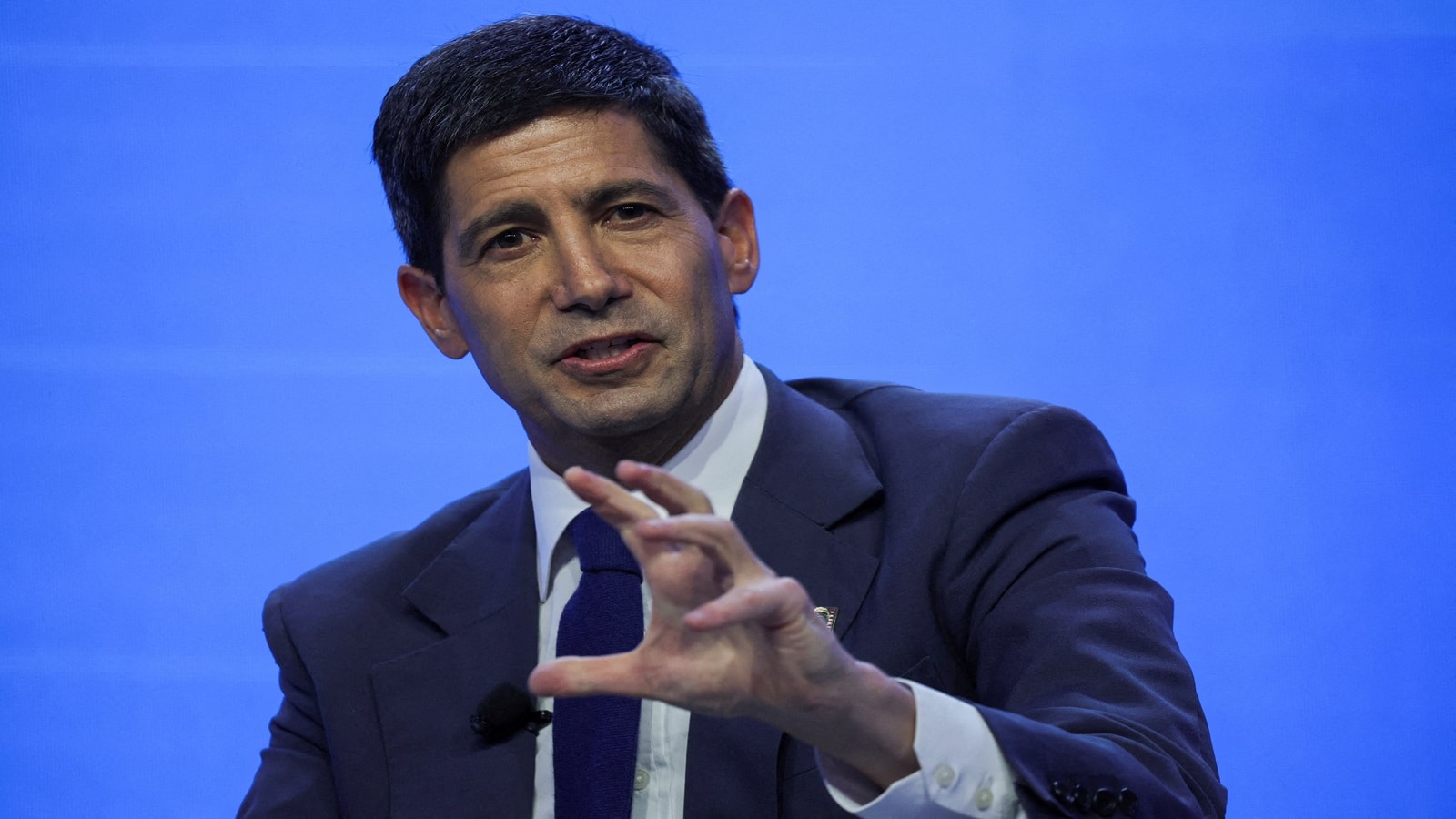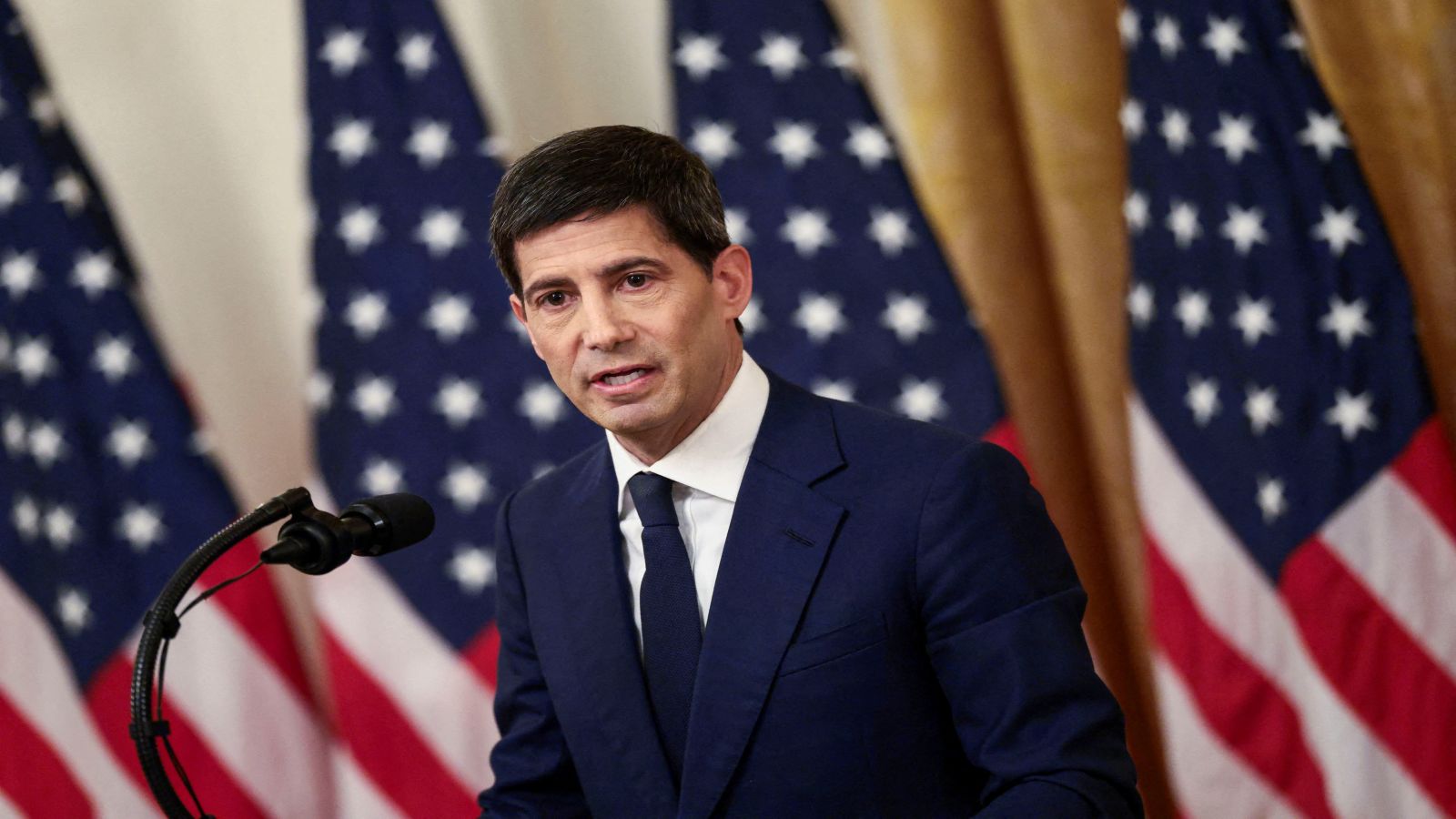
Wall Street’s financial press is falling over itself to praise Federal Reserve Chair Kevin Warsh for finally "streamlining" the Federal Open Market Committee. They call his overhaul of FOMC communications and meeting structures a bold step toward efficiency. They claim he is cutting through the bureaucratic noise of the Jerome Powell era to deliver cleaner, sharper policy signals.
They are completely wrong.
What the consensus calls modernization is actually a calculated retreat into central bank opacity. By dismantling the bloated, hyper-communicative forward-guidance machine built by Ben Bernanke, Janet Yellen, and Jerome Powell, Warsh isn’t making the Fed more agile. He is ripping out the shock absorbers of the global financial system right before hitting the worst potholes in a generation.
If you are an institutional allocator, a corporate treasurer, or an active trader cheering the death of the "dot plot" and scripted press conferences, you are celebrating your own blinding.
The Lazy Consensus on "Fed Speak"
For the last decade, the smartest guys in the room have complained about excessive central bank transparency. The argument goes like this: When every regional Fed president gives three speeches a week, and the Summary of Economic Projections (SEP) maps out interest rate guesses three years into the future, markets become addicted to hand-holding. Volatility gets artificially suppressed until reality forces a violent repricing.
Warsh has been preaching this gospel since he resigned from the Fed Board of Governors in 2011. Back then, he railed against Quantitative Easing and the Fed's obsession with soothing daily market anxieties. Now, sitting in the big chair in 2026, he is finally executing his vision. He is shrinking the footprint of forward guidance, curtailing inter-meeting commentary, and restructuring FOMC deliberations to focus on long-term monetary aggregates rather than short-term data dependency.
Mainstream financial commentators love this narrative. It sounds disciplined. It sounds adult. It evokes the ghost of Paul Volcker standing tall against inflation without caring what the S&P 500 did between 2:00 PM and 2:30 PM on a Wednesday.
Here is the problem with that nostalgia: The modern financial plumbing cannot survive Volcker-era communication.
I have sat on institutional fixed-income desks during rate cycles when the Fed suddenly went quiet. I watched liquidity evaporate in the Treasury market in minutes—not because fundamentals changed, but because primary dealers refused to warehouse risk without a clear reaction function from the central bank. When the Fed stops talking, dealers widen their bid-ask spreads to protect their balance sheets. Market depth vanishes. A routine $500 million corporate bond trade turns into a market-moving event.
Warsh’s fans confuse silence with strength. In a $28 trillion Treasury market dominated by high-frequency algorithmic liquidity providers rather than traditional bank balance sheets, silence is just a catalyst for structural breakage.
Why "Data Dependency" Was a Crutch—And Why Killing It Hurts Worse
To understand what Warsh is actually doing, we need to define the mechanics he is dismantling.
Under Powell, the FOMC operated on strict data dependency paired with explicit forward guidance. Technically, forward guidance is a monetary policy tool where the central bank uses communication to influence market expectations about the future path of the federal funds rate. By telling markets what it intended to do based on incoming inflation and employment prints, the Fed effectively outsourced monetary tightening and easing to the bond market. Yields moved before the Fed actually adjusted the overnight rate.
Warsh views this as the tail wagging the dog. His restructuring shifts the FOMC away from reacting to every monthly Consumer Price Index (CPI) or Non-Farm Payrolls release. Instead, his framework prioritizes monetary regime stability—watching money supply growth, credit creation, and structural productivity over a multi-year horizon.
On paper, ignoring noisy monthly government statistics makes total sense. Seasonal adjustments in labor data have been broken since the pandemic. Shelter inflation metrics lag reality by twelve months. Any economist worth their salt knows that making policy based on a single month's core PCE print is like driving a car by staring at the hood ornament.
The fatal flaw in Warsh’s pivot isn't his diagnosis of the data problem; it is his cure.
By stripping away the granular guidance of the FOMC without replacing it with a hard, mathematical policy rule—like the Taylor Rule—Warsh has created a discretionary black box. Markets no longer know the Fed's reaction function. If unemployment ticks up by 0.4% while services inflation remains sticky at 3.2%, what does Warsh’s FOMC do? Under Powell, you could read the SEP and listen to Christopher Waller or John Williams to triangulate the exact probability of a 25-basis-point cut. Under Warsh’s new meeting structure, you are guessing.
The Hidden Tax of Rate Volatility
When investors have to guess the central bank's reaction function, they demand compensation for that uncertainty. In finance, that compensation is called term premium.
Let’s look at the mechanics of what happens when FOMC opacity rises:
- Implied Volatility Spikes: The MOVE Index—which measures implied volatility in U.S. Treasury options—establishes a permanently higher floor.
- Collateral Haircuts Increase: Clearinghouses and repo desks require more margin against Treasury collateral because its daily price swings become less predictable.
- Credit Creation Freezes: Regional banks, already scarred by duration losses on their bond portfolios, pull back on commercial and industrial lending because they cannot reliably hedge their interest rate exposure.
Warsh wants to foster organic credit growth in the real economy by weaning Wall Street off Fed liquidity. Yet by injecting massive uncertainty into the risk-free rate curve, his FOMC changes actually tighten financial conditions for Main Street businesses far more aggressively than a simple rate hike ever could.
Dismantling the Myths Around Warsh’s New FOMC
If you search for what these FOMC changes mean for your portfolio, you will be fed a diet of sanitized talking points. Let’s look at the questions investors are actually asking and dismantle the flawed premises behind them.
Does reducing FOMC forward guidance prevent market bubbles?
No. Bubbles are fueled by excess liquidity and loose financial regulation, not by the Federal Reserve publishing a quarterly chart of interest rate projections. Look at 1999 or 2006. Alan Greenspan practically invented central bank ambiguity—famously telling Congress, "If I turn out to be particularly clear, you've probably misunderstood what I've said." Did Greenspan’s legendary opacity prevent the Dot-Com bubble or the subprime mortgage crisis? Not at all. In fact, his refusal to clearly telegraph rate paths encouraged massive leverage in the shadow banking system because traders assumed the "Greenspan Put" would always bail them out. Opacity doesn't kill moral hazard; it just hides the leverage until it blows up.
Will shorter, more focused FOMC meetings lead to better policy decisions?
This assumes the Fed’s past mistakes—like calling 2021 inflation "transitory"—happened because the meetings were too long or the committee members talked too much. That is historical revisionism. The 2021 policy error happened because the FOMC fell victim to groupthink and relied on flawed econometric models (specifically the FRB/US model) that failed to account for supply-chain shocks colliding with unprecedented fiscal stimulus. Changing the seating chart, trimming the press conference, or muzzling regional bank presidents doesn't fix bad economic modeling. If you put twelve people with the same Ivy League macroeconomics training in a room for four hours instead of two days, you don't get sharper insights. You just get faster groupthink.
Is Warsh bringing back the "Volcker Rule" of central banking?
Comparing Kevin Warsh to Paul Volcker is an insult to history. Volcker didn't succeed because he held mysterious meetings or ignored market chatter. Volcker succeeded because he explicitly targeted the growth rate of the money supply (M1) and let the federal funds rate swing wildly—sometimes up to 20%—to crush inflation expectations. Volcker was brutally transparent about his singular objective: kill inflation at any cost to employment. Warsh, by contrast, is operating under a dual mandate in an economy burdened by a federal debt-to-GDP ratio exceeding 120%. He cannot let yields spike to 15% without bankrupting the U.S. Treasury's interest expense budget. Pretending he has Volcker’s freedom of action is pure theater.
The Structural Blind Spot: Fiscal Dominance
This brings us to the elephant in the Marriner S. Eccles Building that none of the mainstream articles mention. You cannot reform FOMC operations in a vacuum while the U.S. Treasury is issuing trillions of dollars in debt every year to fund structural deficits.
Economists call this fiscal dominance—a regime where monetary policy is effectively subordinated to the government's need to finance its deficits cheaply.
Imagine a scenario where Warsh’s newly streamlined FOMC decides to ignore a weakening labor market because money supply growth is ticking above target, so they hold rates steady. Meanwhile, the Treasury has to auction $400 billion in notes and bills that same month. Without Fed forward guidance anchoring the short end of the curve, foreign central banks and domestic asset managers step back from the auction, demanding a 50-basis-point concession. The auction tails violently. Yields surge across the curve. Suddenly, the cost of servicing the national debt jumps by hundreds of billions of dollars, forcing the Treasury to issue even more debt.
In a world of fiscal dominance, the Fed does not have the luxury of playing hard to get. Every communication change Warsh makes will be tested not by equity traders on CNBC, but by bond vigilantes at Tuesday afternoon Treasury auctions.
To be fair to Warsh, there is a legitimate upside to breaking the market's Pavlovian obsession with Fed speeches. Under the previous regime, the financial media turned every minor FOMC voter into a celebrity oracle. A single off-the-cuff remark from a regional president in Atlanta or Minneapolis could wipe out $500 billion in equity market cap before lunch. That was absurd. Force-feeding traders a calmer, less reactive Fed diet could, over a five-year horizon, force asset managers to price risk based on corporate cash flows rather than central bank tea leaves.
I will concede that point. The transition, however, is where portfolios get slaughtered.
How to Position When the Fed Goes Dark
If you are managing capital, relying on old playbooks will destroy your returns. For fifteen years, the winning trade was simple: buy every dip caused by hawkish Fed rhetoric, because the committee would eventually walk it back at the next press conference.
That safety net is gone. Here is how institutional desks are adapting to the Warsh FOMC regime—and what you should do immediately:
- Stop trading the FOMC statement; trade the Treasury Refunding Announcement. With Warsh reducing the signal value of FOMC communications, the quarterly debt management announcements from the U.S. Treasury have become the true driver of systemic liquidity. Watch the mix of T-bills versus long-term coupons. That is where the real monetary policy is happening now.
- Own volatility as an asset class, not just a hedge. In a low-guidance regime, fat-tail events happen more frequently because markets aren't pre-positioned for policy shifts. Keeping a permanent allocation to long-dated straddles on rates or equities isn't a drag on performance anymore; it is a primary alpha generator.
- Shorten your credit duration. When the central bank removes its implicit promise to smooth out rate cycles, corporate balance sheets with near-term maturity walls face sudden refinancing shocks. Stick to high-grade, cash-flowing companies that do not need to tap the capital markets before 2028.
- Ignore regional Fed speeches entirely. Unless it is Warsh himself or the New York Fed President speaking—the only person who actually executes open market operations—treat every other FOMC member's public appearance as pure noise.
Kevin Warsh thinks he is restoring dignity and discipline to the world's most powerful central bank by shutting the blinds and locking the doors. He is about to learn the hard way that when you turn off the lights in a crowded theater, people don't sit quietly in their seats—they stampede for the exits.