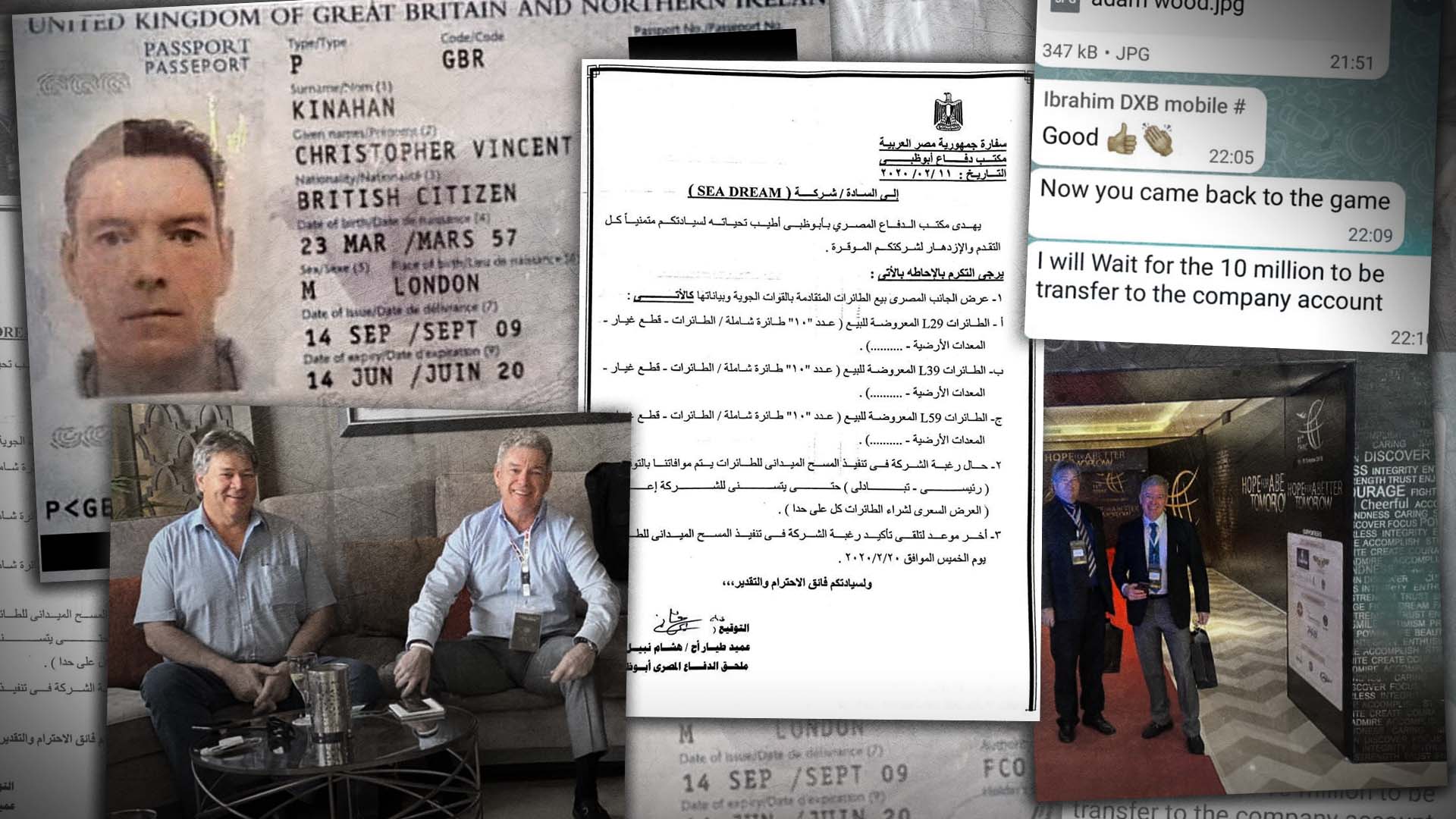
The arrest of Daniel Kinahan in Dubai represents the catastrophic failure of a decade-long strategy based on the exploitation of jurisdictional arbitrage. For years, the Kinahan Organized Crime Group (KOCG) operated under the assumption that a specific "sovereign shield" would protect its leadership from European law enforcement. This arrest signals that the cost-benefit analysis for Middle Eastern hubs hosting high-value targets has shifted permanently. The operational reality of the KOCG was not merely a matter of drug trafficking; it was a sophisticated logistics and financial services firm that utilized the mechanisms of global trade to mask a multi-billion-dollar narcotics enterprise.
The Tripartite Structure of the KOCG Operational Model
The KOCG succeeded where smaller cartels failed by adopting a corporate structure that separated governance from street-level execution. This model is best understood through three distinct layers:
- The Strategic Hub (Dubai): This layer managed capital allocation, laundering, and high-level diplomatic positioning. By rebranding as legitimate sports promoters and advisors, the leadership attempted to manufacture a veneer of social capital that made extradition politically expensive for the host nation.
- The Logistics Bridge (Iberia and Benelux): Control over key entry points in the Port of Antwerp and Rotterdam allowed for a vertically integrated supply chain. The group did not just sell products; they controlled the infrastructure of the import process.
- The Enforcement Perimeter (Ireland and the UK): This layer handled the "last mile" of the business model, including debt collection and the suppression of competitors. This was the most visible and violent aspect of the organization, acting as a lightning rod for law enforcement attention while the Strategic Hub remained insulated.
Jurisdictional Arbitrage as a Wasting Asset
The primary defense mechanism of the Kinahan organization was the exploitation of legal friction between sovereign states. They relied on the absence of a bilateral extradition treaty between Ireland/the UK and the UAE as a permanent firewall. However, this strategy failed to account for the "Accumulated Pressure Threshold." When a criminal entity’s presence begins to degrade the host nation’s reputation on the global stage—specifically regarding the Financial Action Task Force (FATF) "grey list" status—the entity transitions from a guest to a liability.
The UAE’s decision to move against Kinahan follows a series of policy shifts aimed at improving financial transparency and international cooperation. The arrest demonstrates that the utility of providing a safe haven was outweighed by the risk of continued international sanctions and reputational damage to Dubai’s status as a global financial center.
The Mechanism of Financial Neutralization
The arrest was not an isolated event but the culmination of a financial strangulation strategy. Unlike traditional policing, which focuses on physical seizures, this operation utilized the "Asset Freezing Cascade."
- OFAC Designation: The US Treasury’s decision to blacklist the leadership removed their ability to interact with the US dollar-clearing system. This effectively paralyzed their legitimate shell companies.
- Banking Isolation: Once the designation was public, global financial institutions triggered automated compliance flags, terminating accounts even in jurisdictions where the KOCG felt safe.
- Asset Liquidity Crisis: By cutting off access to digital and traditional banking, law enforcement forced the leadership to rely on physical cash and Hawala systems, both of which are slower, higher-risk, and easier to intercept during transport.
The second-order effect of these sanctions was the erosion of loyalty within the lower tiers of the organization. When the Strategic Hub can no longer facilitate payments or provide legal protection, the incentive for subordinates to cooperate with the state increases exponentially.
Logistical Disruptions in the Trans-Atlantic Narcotic Trade
The KOCG functioned as a "Super Cartel" facilitator, acting as a central node for various European and South American criminal syndicates. Their removal creates a massive power vacuum in the European wholesale cocaine market.
Historically, the removal of a dominant player leads to a period of "Market Fragmentation." We can expect to see:
- Price Volatility: The disruption of established supply lines often leads to a temporary spike in wholesale prices in the UK and Ireland.
- Contested Nodes: Smaller organizations will move to secure the port contacts and distribution networks previously monopolized by the Kinahans.
- Increased Lateral Violence: Without the Kinahans acting as an arbiter between smaller gangs, localized conflicts over territory are likely to intensify.
The Intelligence-Led Policing Framework
This arrest validates the "Targeted Disruption" methodology over the traditional "Reactive Arrest" model. By coordinating with the DEA, Europol, and the Gardaí, the UAE authorities utilized a data-sharing framework that bypassed the typical delays of diplomatic channels.
The intelligence gathered during the final months of Kinahan's freedom likely centers on "EncroChat" and "Sky ECC" data recovery. The decryption of these communication networks stripped away the KOCG’s operational security, revealing the specific coordinates of their financial nodes and the identities of their legitimate frontmen. This suggests that the KOCG was operating on outdated assumptions regarding the privacy of encrypted hardware.
Strategic Forecast and the End of the Safe Haven Era
The Kinahan arrest is the definitive signal that the era of the "Untouchable Expatriate Kingpin" is over. The global trend toward financial transparency and the integration of law enforcement databases means that physical distance from the crime scene no longer equates to legal safety.
The KOCG's failure to adapt to the reality of digital footprints and international financial cooperation led directly to this collapse. The remaining leadership, should any exist in hiding, faces a diminished set of options. They are forced into increasingly unstable jurisdictions with lower levels of infrastructure, which in turn makes their logistics operations more expensive and less reliable.
Law enforcement agencies will now shift their focus to the "Successor Identification" phase. The objective is to prevent the consolidation of the vacuum by the Balkan or South American cartels that previously used the Kinahans as their European gateway. This will involve a permanent increase in surveillance at the ports of Rotterdam and Algeciras, coupled with more aggressive monitoring of "Golden Visa" programs that were previously used by the KOCG to facilitate movement.
The immediate priority for the state is the forensic audit of seized assets in Dubai. This data will likely provide the blueprint for the next five years of organized crime investigations across the European Union, as the ledger of the KOCG’s clients and service providers is finally exposed.