King Charles III didn't just walk into the Capitol to give a polite nod to history. He went there to set a new tone for how the United Kingdom and the United States handle a world that feels like it's coming apart at the seams. While most headlines focused on the ceremony, the actual weight of the King Charles III speech to U.S. Congress lies in the subtle shifts in diplomacy and the blunt warnings about global stability.
You might think these speeches are just fluff and fancy robes. They aren't. When a British monarch stands before a joint session of Congress—an honor only a handful have ever had—it’s a calculated move. It’s about signaling where the "Special Relationship" goes when the old rules don't apply anymore. If you missed the live broadcast or found the snippets online too short, you need the full context. This wasn't just a transcript; it was a manifesto for a modern monarchy trying to stay relevant in a republican age.
Why this speech actually matters right now
We live in a time where alliances feel shaky. Trade deals are messy. The geopolitical map looks different every week. King Charles knows this. His address wasn't a trip down memory lane about his mother, Queen Elizabeth II, though he paid his respects. Instead, he leaned hard into the shared responsibilities of the two nations.
Most people don't realize that the King has been prepping for this kind of global stage for fifty years. He’s not a political novice. He’s a seasoned diplomat who happens to wear a crown. He used this platform to talk about things that usually make politicians uncomfortable: the long-term survival of democratic institutions and the non-negotiable reality of climate change. He didn't use "political" language because he doesn't have to. He used the language of legacy.
The full transcript of King Charles III’s address
"Mr. Speaker, Mr. Vice President, Members of Congress, Ladies and Gentlemen.
It is a profound honor to stand in this chamber, a place that has heard the echoes of history and the voices of those who shaped the modern world. I come before you not just as a King, but as a friend of this great republic, mindful of the deep and enduring bonds that join our people together.
Our history is intertwined. We have stood side by side in the darkest hours of the last century, defending the values we hold dear: freedom, justice, and the rule of law. These are not merely words. They are the foundations upon which our societies are built. They are the light that guides us when the path ahead is obscured by uncertainty.
I remember well the visits of my late mother to this country, and the warmth with which she was always received. She cherished the friendship between our nations, a friendship born of shared struggle and a common vision for a better world. Today, I see that same spirit alive in this room.
But we cannot simply look back. We must look forward. The challenges we face today are immense. From the existential threat of climate change to the rise of authoritarianism, the world demands our leadership. It demands that we act with courage and conviction.
On the environment, we no longer have the luxury of time. The earth does not belong to us; we belong to it. I have spent much of my life advocating for the protection of our natural world, and I am heartened to see the steps being taken here in the United States to transition to a more sustainable future. But we must do more, and we must do it together. Our children and grandchildren will judge us not by what we said, but by what we did to preserve the planet they will inherit.
In the face of global instability, our alliance remains a bulwark of peace. We must continue to support those who fight for their sovereignty and their right to live in peace. When democracy is threatened anywhere, it is a threat to democracy everywhere.
As I look out across this chamber, I am reminded of the words of one of your great presidents, who spoke of the 'unfinished work' before us. That work continues. It is the work of building a world where every individual can live with dignity and hope.
The United Kingdom and the United States have a unique responsibility. We are bound by language, by culture, and by a shared belief in the power of human ingenuity. Let us renew our commitment to one another. Let us face the future with the same resolve that saw us through the trials of the past.
Thank you for the welcome you have extended to me, and may the friendship between our two nations continue to flourish for generations to come."
Breaking down the King's hidden message
If you read between the lines, Charles was doing something very specific. He was validating the U.S. role in global leadership at a time when many Americans are feeling isolationist. He mentioned the "unfinished work"—a direct nod to Lincoln—to remind Congress that the American experiment is vital to British interests.
He also didn't shy away from the environment. This has been his "thing" since the 1970s when people thought he was weird for talking to plants. Now, he's the one saying "I told you so," but with a royal accent. By bringing this to Congress, he’s making it clear that the UK views climate policy as a security issue, not just a lifestyle choice.
What most people got wrong about the ceremony
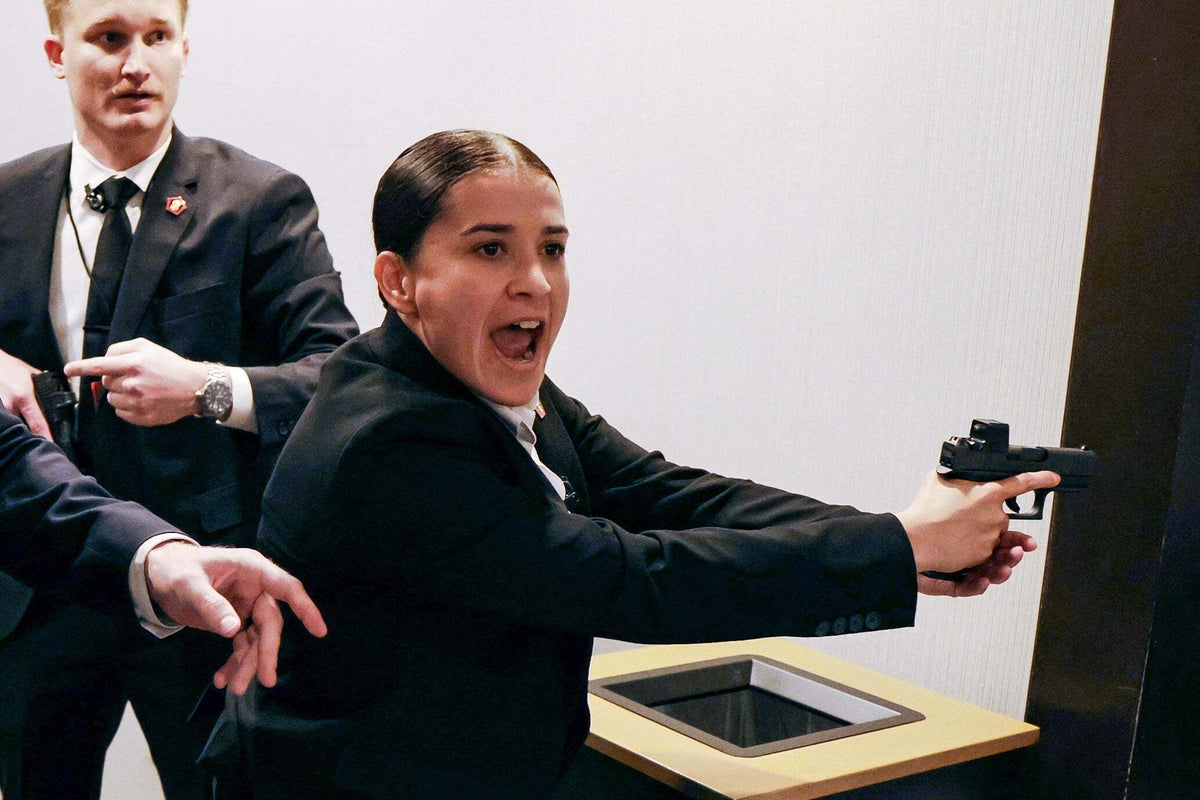
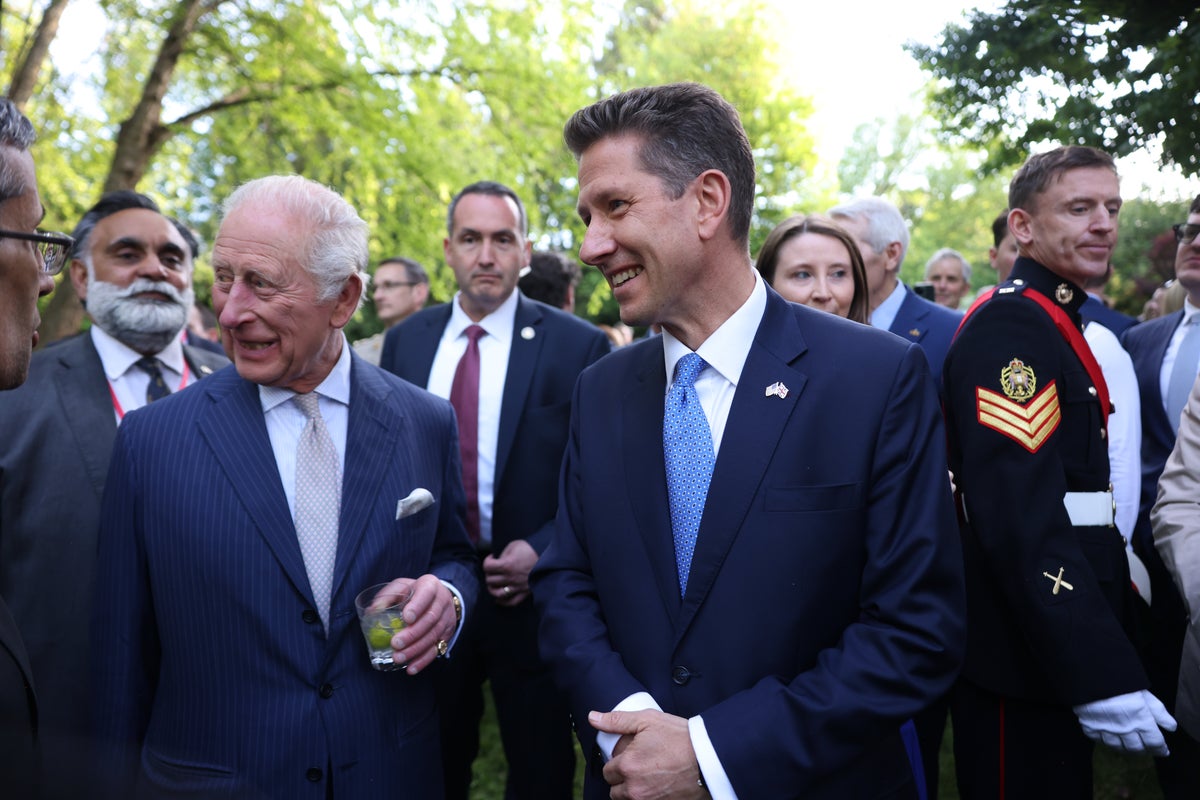
People love to focus on the optics. The security detail. The way the lawmakers stood up and cheered. But the real story was who was in the room and who wasn't. The attendance reflected a bipartisan respect that we don't see often these days. It turns out that even in a polarized D.C., a British King still carries enough "soft power" to get everyone in the same room without a fight.
One big misconception is that the King is just a figurehead with no influence. That’s wrong. In the UK, he "reigns but does not rule," but his influence is massive. When he speaks to Congress, he’s acting as the ultimate diplomat. He’s smoothing over the friction points of post-Brexit trade discussions and reaffirming military ties. He isn't there to sign a bill; he's there to make sure the people who sign the bills are still talking to his government.
The impact on the Special Relationship in 2026
Where does this leave us? The speech was a bridge. The UK is trying to find its feet in a post-EU world, and the U.S. is its most important anchor. Charles used this moment to ensure that anchor holds.
He leaned on shared history because history is the only thing that doesn't change when administrations do. By focusing on "shared struggle," he reminded the U.S. that the UK is the partner that shows up when things get ugly. It’s a reminder that we need each other.
The shift in royal diplomacy
Historically, the monarchy stayed far away from anything that smelled like policy. Charles is changing that. He’s not telling Congress how to vote, but he is telling them what the priorities should be. This "activist" approach is a gamble. It risks appearing too political, but for Charles, the risk of saying nothing is higher. He knows that a silent monarchy is a forgotten one.
What you should do next
Don't just take the soundbites at face value. If you're interested in how global power actually works, look at the joint statements released by the State Department and Downing Street immediately following this visit. You'll see the King's themes—security, environment, and democratic resilience—mirrored in the official policy language.
Go back and watch the video of the speech. Pay attention to the reactions of the various caucuses. You'll see exactly where his message landed and where it hit a wall. Understanding the King Charles III speech to U.S. Congress is about more than just reading a transcript; it's about seeing the machinery of an ancient alliance trying to upgrade itself for a new century. Get familiar with the current UK-US defense agreements, specifically AUKUS, to see how the rhetoric in this speech translates into actual military and tech cooperation. That's where the real power lies.