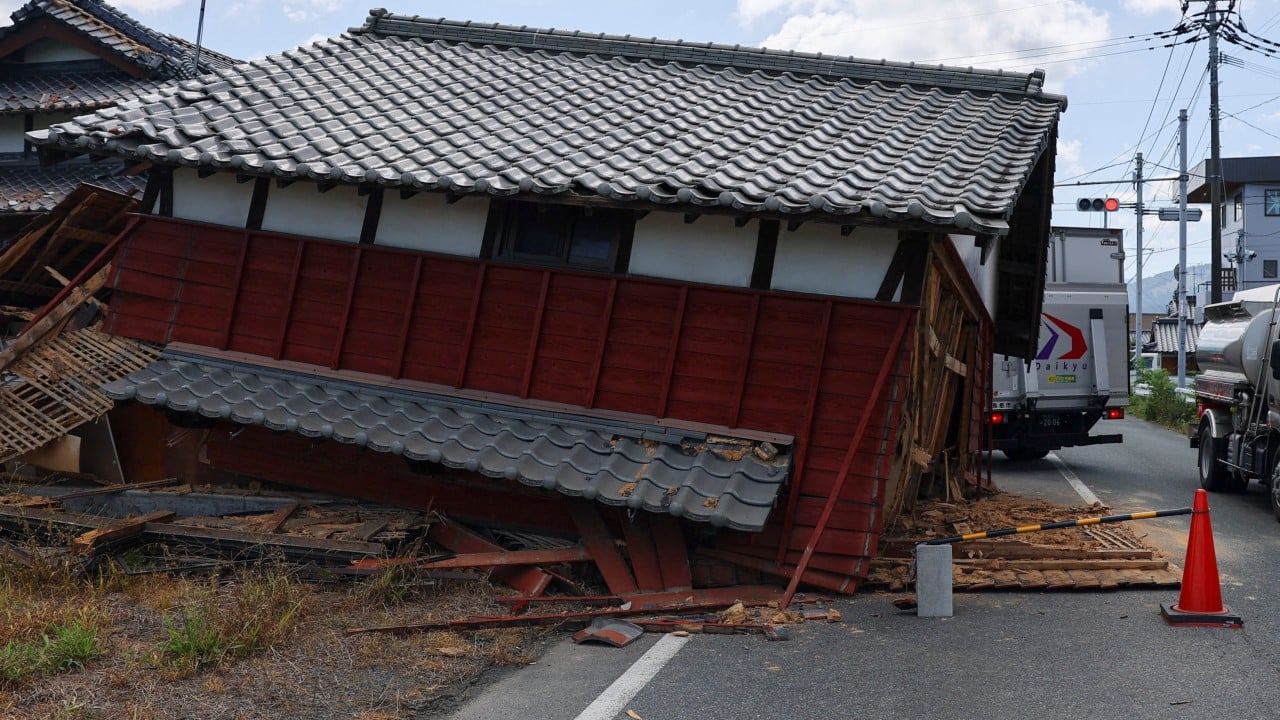
When a magnitude 7.1 earthquake violently shook Japan’s Kumamoto Prefecture, the shockwaves didn't just rattle local homes and infrastructure. They instantly rippled straight through the nerve center of international manufacturing. Kyushu—often dubbed Japan's Silicon Island—abruptly went dark for critical industrial operations.
If you think a regional natural disaster halfway across the world doesn't affect your daily life or local economy, look closer at your driveway or your smartphone. Global supply chains are terrifyingly fragile. When factories on this specific Japanese island sneeze, automotive and electronics assembly lines worldwide catch a cold.
Inside the Silicon Island Shutdown
Kumamoto isn't just a scenic region on Kyushu; it's a massive manufacturing powerhouse. Semiconductor shipments from this area account for nearly thirty percent of the prefecture's entire industrial output. When the ground heaved, heavy hitters in the tech space had to push the emergency stop button immediately.
Taiwan Semiconductor Manufacturing Company (TSMC) evacuated its brand-new plant in Kikuyomachi right after detecting the tremors. While structural checks cleared the concrete buildings themselves, silicon fabrication is an entirely different beast. Semiconductors require cleanrooms operating with microscopic precision. A violent shake means optical equipment, robotic wafer handlers, and sensitive lithography tools lose their precise calibration.
Sony also hit pause on its image sensor plant right next door. Renesas Electronics faced severe reality checks at its Kawashiri and Nishiki facilities, where inspections revealed cracked walls, water leaks, and collapsed ceiling panels. Tokyo Electron, Mitsubishi Electric, and various chemical suppliers joined the lockdown. You cannot simply flip a switch and resume making advanced microchips the next morning.
The Immediate Domino Effect on Car Production
Microchips are the invisible lifeblood of modern vehicles. When chip foundries halt, assembly lines for finished automobiles screech to a halt shortly after. That is precisely what happened across Japan's southern manufacturing belt.
Toyota slammed the brakes on multiple plants in Fukuoka and surrounding areas, choking off the flow of luxury Lexus models and hybrid engines. Nissan and Honda followed suit, curtailing domestic output because critical electronic components and parts deliveries stopped arriving on schedule.
Most consumers assume car manufacturers keep months of spare parts sitting in local warehouses. They don't. Modern auto plants run on strict, hyper-efficient just-in-time inventory models. When a regional disaster disrupts suppliers for even a few days, the buffer vanishes instantly.
Why Companies Keep Building in Earthquake Zones
People always ask why global tech giants keep pouring billions of dollars into a region prone to severe seismic activity. The answer comes down to geography, chemistry, and specialized labor.
Kumamoto sits on top of massive underground aquifers enriched by Mount Aso. This volcanic filtration system produces incredible volumes of pristine, natural groundwater. Wafer fabrication demands millions of gallons of ultrapure water daily to rinse microscopic impurities off silicon surfaces. Finding an area with infinite clean water, a deep pool of hyper-skilled engineering talent, and an established ecosystem of chemical vendors is rare. Corporations weigh these massive operational advantages against the statistical risk of earthquakes and decide the gamble is worth taking.
What This Means for the Rest of the Year
The immediate question on executive minds is how long these outages will last. Past events offer a sobering reality check. During the 2016 Kumamoto earthquake, key facilities took anywhere from a few weeks to three months to fully restore complex production cycles.
Because creating a single semiconductor wafer takes roughly three months from start to finish, any contamination or equipment misalignment during a run ruins millions of dollars worth of inventory. Port damage at Yatsushiro—the only southern Kyushu harbor equipped to handle hazardous industrial gases and high-pressure chemical supplies—further complicates logistics.
If you manage inventory or procurement in the hardware, automotive, or consumer electronics sectors, don't wait for final component shortages to hit your balance sheet. Audit your tier-two and tier-three suppliers right now to trace your component dependencies back to the Kyushu region. Diversify your sourcing channels before spot market prices for microchips spike.