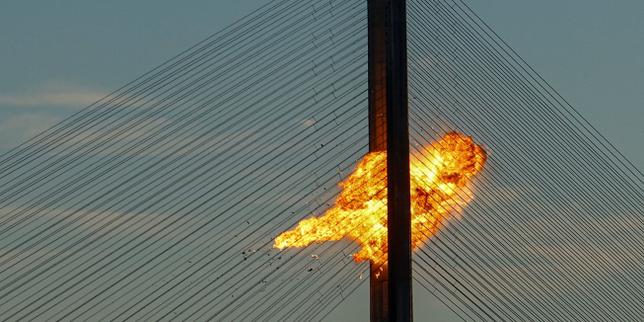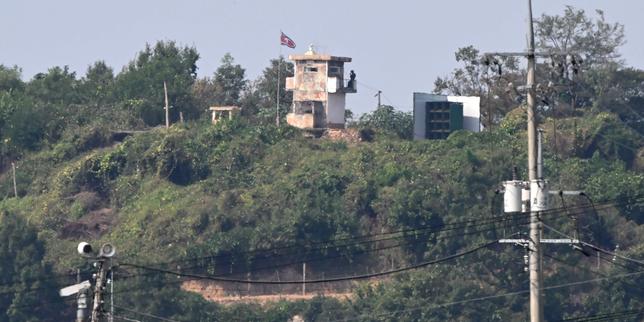
The lazy consensus on the Korean Demilitarized Zone is comfortable, predictable, and entirely detached from reality. Every time an old explosive detonates or a border fence gets reinforced, the commentariat panics. Headlines scream that diplomacy is dead, peace talks are shattered, and mutual hostility has reached a boiling point. This framing treats the DMZ as a fragile bridge waiting to be crossed rather than what it actually is: a brutally efficient, mathematically proven mechanism of deterrence.
Stop mourning the illusion of immediate dialogue. The recent blasts inside the buffer zone are not a sudden descent into chaos. They are the friction of two heavily armed states maintaining a cold status quo that has prevented a full-scale replay of nineteen-fifty.
The Dangerous Myth of Open Borders
Conventional wisdom argues that physical separation breeds animosity, and therefore tearing down barriers and rushing into talks will naturally produce harmony. This is geopolitical romanticism.
History shows that ambiguous borders cause wars. Clear, militarized demarcation lines reduce friction by eliminating misinterpretation. When you remove the buffer, you remove reaction time. When you remove reaction time, you invite miscalculation.
Consider the structure of the DMZ itself. Spanning two hundred and fifty kilometers across the peninsula, it is littered with millions of munitions placed decades ago. Mainstream analysis views these fields as ticking time bombs of accidental escalation. The counter-intuitive truth is precisely the opposite. They are static stabilizers. They force both Seoul and Pyongyang into absolute operational predictability. Neither side can sweep across the parallel on a whim because the terrain itself is hostile to sudden movement.
I have spent years analyzing security architecture across divided states, and the pattern remains constant. The moment you substitute physical defense mechanisms with optimistic diplomacy, conflict risk spikes. Peace on the peninsula has never relied on trust. It relies on mutual, unyielding deterrence.
Dismantling the Dialogue Fetish
Why do analysts constantly obsess over reviving stalled summits? Because diplomacy is easy to market. It produces photo-ops, handshakes, and temporary stock market bumps.
Yet, decades of summits, declarations, and joint economic zones have yielded zero permanent disarmament from the North. Pyongyang treats diplomatic engagement as a logistical pause to refine its nuclear capabilities, while Seoul occasionally bends to domestic political pressure to show progress at any cost.
When a mine detonates due to shifting soil, heavy rain, or aging triggers, critics point to it as proof that communication channels have failed. That logic assumes those channels were working in the first place. Communication without leverage is just noise.
The reality on the ground is stark. North Korea operates under a survival calculus where nuclear parity is non-negotiable. South Korea operates under a democratic cycle that swings wildly between engagement and containment. Neither leadership group is going to surrender its strategic posture because of a joint communique signed in Geneva or Panmunjom.
The Mechanics of Frictionless Cold War
To understand why the current physical barrier works, we have to look past the political rhetoric and examine the logistics of the zone.
- Topographical Enforcement: The terrain is naturally rugged, amplified by engineering constraints. The minefields ensure that any mechanized infantry push requires massive, unmistakable preparation time.
- Information Asymmetry Control: The barrier restricts unauthorized cross-border movement, preventing small-scale provocations from cascading into national security crises.
- Automated Deterrence: Unlike human patrols that can misread intentions or panic under pressure, static defenses operate on pure physics. They do not negotiate, and they do not bluff.
Critics argue that these measures trap millions of citizens in a state of perpetual anxiety. But anxiety is a cheap price to pay compared to artillery barrages raining down on the Seoul metropolitan area. The capital of South Korea sits within range of thousands of North Korean conventional rocket systems. In that environment, stability is maintained not through warm feelings, but through cold, calculated deterrence.
Embracing the Stalemate
The most uncomfortable admission for foreign policy experts is that some conflicts cannot be solved. They can only be managed.
Trying to force a breakthrough through outdated diplomatic playbooks only destabilizes an already precarious equilibrium. Every time Seoul chases a breakthrough, Pyongyang pocket concessions while advancing its uranium enrichment programs. Every time the international community condemns routine border maintenance or accidental detonations, it signals weakness to a regime that respects only strength.
Stop trying to fix the DMZ. Stop demanding that two hostile systems with incompatible ideologies embrace through sheer willpower. Let the buffer zone do what it was designed to do.
The next time a headline breaks about an explosion along the 38th parallel, do not panic. Recognize it for what it is. The ground is holding. The math is working. And the border is doing its job.