The narrative surrounding the death of the Las Vegas buffet is built on a foundation of sentimentality and bad math.
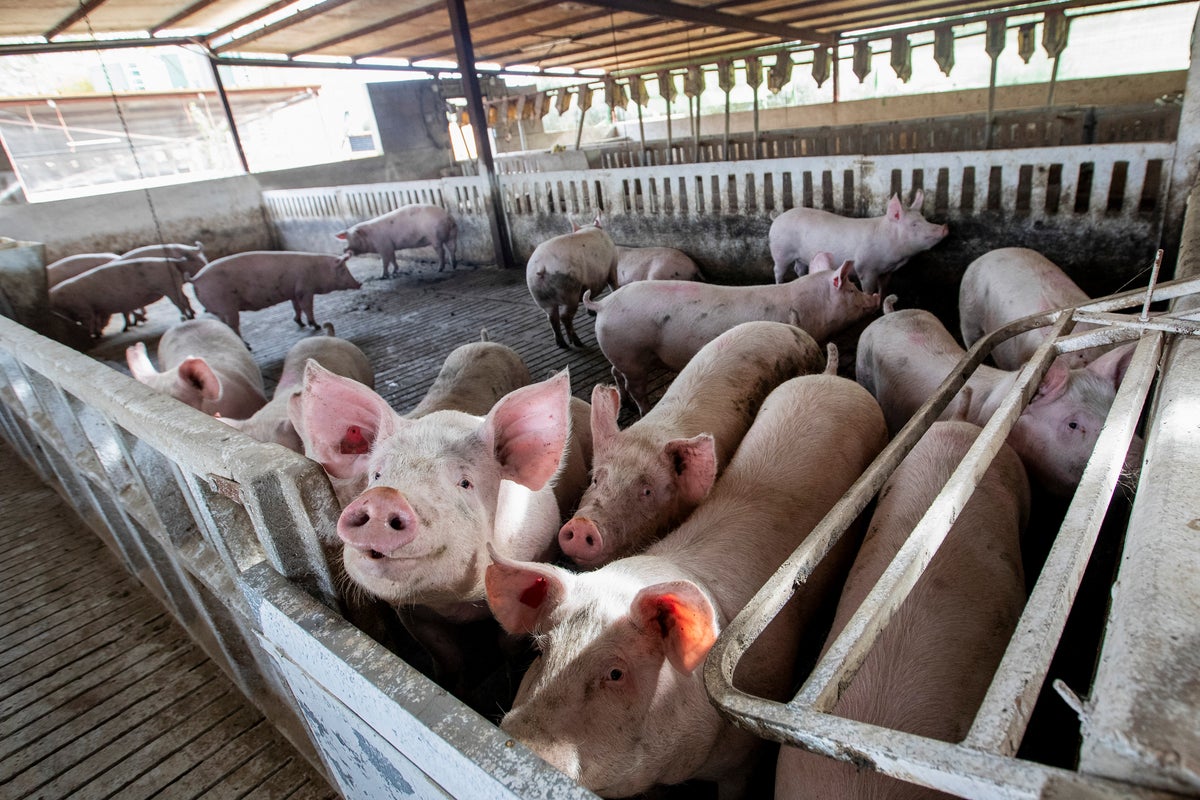
Journalists love to mourn the loss of the "all-you-can-eat" era as if it were a cultural tragedy. They frame it as a blow to the common traveler or, more absurdly, a disaster for the local pig farms that once relied on the mountainous waste of leftover shrimp cocktail and prime rib.
They are wrong.
The closure of mid-tier buffets isn't a sign of a city in decline. It is a sign of an industry that has finally stopped subsidizing gluttony at the expense of its bottom line. For decades, the buffet was a "loss leader"—a term people throw around without understanding the actual carnage on a balance sheet. I have sat in the back offices of Strip properties where the food and beverage directors looked at buffet waste metrics with actual physical pain.
We are not witnessing an ending. We are witnessing an evolution from quantity to scarcity. And if you’re still crying over a $24.99 lukewarm tray of Salisbury steak, you’re missing the biggest wealth transfer in hospitality history.
The Myth of the Loss Leader
The "loss leader" strategy only works if the "loss" actually "leads" to something.
In the 1990s, the logic was simple: get them in the door with a cheap pile of crab legs, and they will spend the next six hours dropping mortgage payments into a slot machine. But the consumer changed. The modern Vegas visitor is a "value extractor." They are savvy. They come for the $30 buffet, drink the house dry, eat $60 worth of protein, and then walk across the street to a different property to see a show.
There is no loyalty in a buffet line.
When Caesars and MGM began shuttering these stations, it wasn't because they lacked the "vision" to keep them open. It was because the conversion rate from buffet-goer to high-roller plummeted. You cannot run a multibillion-dollar resort on the hope that a guy wearing a fanny pack and carrying a plate of 15 chicken wings will eventually find his way to a $100-minimum blackjack table. He won’t. He’s going back to his room to take a nap.
The Pig Farm Fallacy
The competitor article suggests that the "scraps" were essential to the local ecosystem, specifically pig farms. This is a romanticized version of industrial waste management.
While it’s true that Las Vegas has a long-standing relationship with RC Farms, the idea that buffet closures are "impacting the pigs" ignores the sheer inefficiency of the system. Transporting thousands of tons of wet food waste is an environmental and logistical nightmare.
Modern sustainability in Vegas isn't about feeding pigs; it's about source reduction.
If you don't cook the third tray of mediocre lasagna, you don't have to worry about who eats it when it turns cold. The industry is moving toward a "just-in-time" preparation model. This isn't just better for the environment; it’s a surgical strike against overhead. By replacing 500-seat buffets with food halls—like the Proper Eats at Aria or the Sun's Out Buns Out model—resorts have shifted the labor cost to third-party vendors and eliminated the massive "shrink" (theft and waste) inherent in open-trough dining.
Why High-End Buffets Survived (And Why You Can't Afford Them)
If buffets are "dead," why is the line for Bacchanal at Caesars Palace still two hours long?
Because the $80+ buffet isn't a buffet. It’s an experience.
The industry has bifurcated. The "cheap" buffet is dead because it was an insult to the ingredients and a drain on the house. The "luxury" buffet survives because it functions as a marketing department for the resort's culinary prestige.
At this price point, the math flips.
- Old Model: High volume, low quality, massive waste, negative margin.
- New Model: High price, curated quality, controlled portions, prestige branding.
When you pay $90 for a buffet, you aren't paying for food. You are paying for the permission to feel like a shark in a world of minnows. You are paying for the optics of abundance. The house still wins because even the most determined eater struggles to consume $90 worth of wholesale-sourced Wagyu sliders and chilled seafood before the "satiety reflex" kicks in.
The Labor Trap
Let’s talk about the "battle scars" of staffing a buffet.
Ask any veteran F&B manager about the "Back of House" nightmare. A buffet requires a massive, unskilled labor force to maintain a constant flow of mediocre food. In a post-2020 economy, that labor doesn't exist at the price points required to keep a buffet "cheap."
Minimum wage increases and a shift in the labor market mean that the cost of the person holding the tongs has outpaced the cost of the prime rib itself. By closing the buffet and opening three high-end fast-casual outlets, a resort can:
- Reduce headcount by 40%.
- Eliminate the "all-you-can-steal" buffet line culture.
- Charge $22 for a single burger that costs $4 to make.
The math is brutal. The math is cold. And the math says the buffet was a parasite.
The Death of the "Something for Everyone" Strategy
The fundamental flaw in the old buffet model was the attempt to please everyone. You had sushi next to pizza, next to tacos, next to a carving station. When you try to be everything to everyone, you are nothing to anyone.
The disruption we are seeing is Hyper-Segmentation.
Resorts now realize that the person who wants a $15 taco and the person who wants a $400 omakase dinner should never have to stand in the same line. The buffet was the last bastion of the "middle class" Vegas experience, and that middle class is being squeezed out of the Strip entirely.
If you want a cheap meal, you go to a CVS on the corner or a food court. If you want a luxury meal, you go to a celebrity chef’s outpost. The middle ground is a graveyard.
The "Actionable" Truth for the Traveler
Stop looking for the hidden gem buffet. It doesn't exist. Any buffet charging less than $50 in 2026 is serving you ingredients that were rejected by a mid-range chain restaurant.
Instead of chasing the ghost of the 99-cent shrimp cocktail, pivot your strategy:
- Embrace the Food Hall: You get better quality, zero wait times, and you only pay for what you actually eat.
- The "One Big Meal" Rule: If you must do a buffet, do it at 3:00 PM. It’s the transition from lunch to dinner pricing. You get the dinner proteins at the lunch rate. It’s the only way to actually "beat" the house.
- Follow the Locals: The only place the old-school buffet still lives—and thrives—is off-strip. The locals' casinos (like South Point) keep them open because their "loss leader" math still works. Their customers live there. They play there every day. The "leads" actually lead to slot revenue.
The Hard Reality
The "scraps" are gone because the inefficiency is gone.
The industry finally stopped apologizing for wanting to make money. The buffet was a relic of a time when Vegas was desperate for bodies. Today, Vegas is the sports and entertainment capital of the world. It doesn't need to bribe you with a mountain of mashed potatoes to get you to show up.
The buffet didn't die because of a pandemic or a change in taste. It died because the house stopped playing a losing game.
If you’re still waiting for the return of the $19.99 feast, you aren't a guest. You're a line item that’s been deleted.


