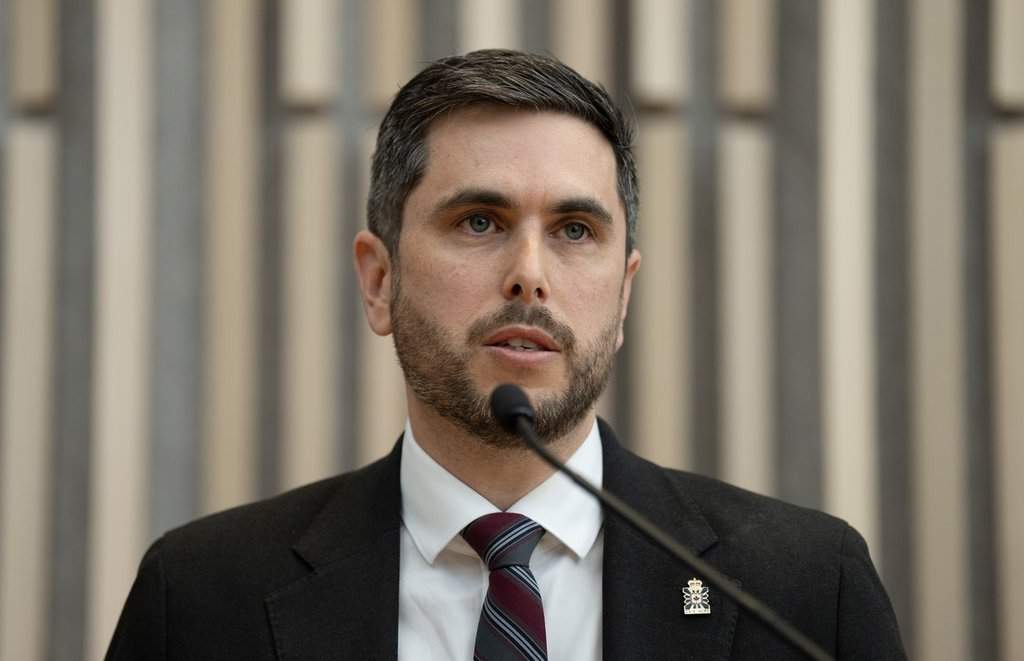
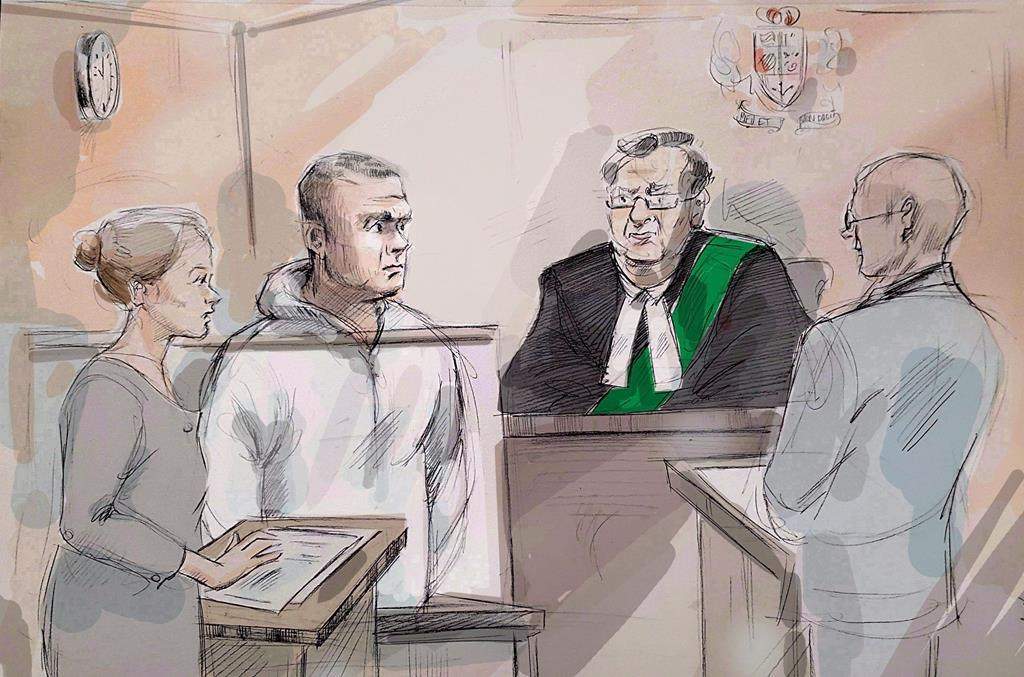
Michael Sanft, the longtime Las Vegas criminal defense attorney who stepped into the middle of one of hip-hop's most notorious unsolved-turned-solved murder prosecutions by representing Duane "Keefe D" Davis, has died in Las Vegas. Sanft passed away following a battle with cancer, leaving behind a decades-long legal career in Clark County and creating an immediate procedural disruption in the high-profile murder trial surrounding the 1996 killing of Tupac Shakur.
For nearly thirty years, the shooting death of Tupac Shakur on the Las Vegas Strip sat in a strange purgatory between true-crime folklore and cold-case bureaucracy. Everyone in the music industry had a theory. Law enforcement had thick binders of intelligence. Yet nobody sat at a defense table facing a jury until Clark County prosecutors indicted Davis in September 2023. When Davis needed seasoned local counsel to navigate the labyrinth of Nevada criminal procedure, gang enhancements, and decades-old witness statements, he turned to Michael Sanft.
Sanft was not a celebrity lawyer chasing television cameras in Los Angeles or New York. He was a fixture of the Regional Justice Center in downtown Las Vegas, the kind of trench-warfare defense attorney who knew every clerk, every bailiff, and every pressure point in the Clark County District Attorney's office. His death removes a critical institutional anchor from a defense team already facing steep evidentiary odds.
Who Was Michael Sanft in the Las Vegas Legal System
To understand why Sanft's death matters to the Shakur prosecution, you have to understand how criminal defense works in southern Nevada. Las Vegas runs on tourism, hospitality, and quiet settlements, but its criminal courts handle an extraordinary volume of violent felonies, narcotics conspiracies, and complex white-collar cases.
Sanft spent more than twenty-five years practicing law in Nevada. Before establishing his private criminal defense practice, he worked inside the system, giving him a dual perspective that prosecutors respected and clients relied upon. He handled everything from routine state felony charges to sprawling federal indictments. In a legal community where flash often substitutes for preparation, Sanft built his reputation on methodical motion practice and an encyclopedic grasp of Nevada evidentiary rules.
Colleagues at the Clark County bar knew him as an attorney who took on difficult, unglamorous, and occasionally unpopular representations without flinching. Defending the man accused of orchestrating the murder of a cultural icon fits squarely within that profile. While outside observers viewed the case through the lens of 1990s East Coast versus West Coast rap rivalries, Sanft treated it like any other complex homicide file—a paper-heavy puzzle of hearsay exceptions, statute-of-limitations arguments, and constitutional challenges.
The Architecture of the Keefe D Defense
When Duane Davis was arrested outside his Henderson, Nevada home in late 2023, the state's case appeared overwhelming on paper. Davis had spent years giving media interviews, appearing on podcasts, and even publishing a memoir in which he openly described his role as the on-ground commander who obtained the firearm and sat in the front passenger seat of the white Cadillac from which the fatal shots were fired.
Most casual observers assumed the trial would be a formality. Veteran defense attorneys knew better.
Under Nevada law, a defendant cannot be convicted solely on an uncorroborated confession. This doctrine, known as corpus delicti, requires the state to present independent evidence that a crime occurred and that the defendant was connected to it before out-of-court admissions can carry the full weight of a conviction. Furthermore, Davis had previously spoken to federal and local authorities under proffer agreements—deals that generally prevent prosecutors from using a suspect's own statements against them in court, provided the suspect tells the truth and does not later contradict those statements.
Sanft recognized immediately that the battleground was not the court of public opinion. The battleground was pre-trial suppression.
Challenging the Decades-Old Evidentiary Trail
Together with co-counsel Carl Arnold, Sanft began dissecting the timeline of the investigation. Almost every other person alleged to have been inside that white Cadillac on September 7, 1996—including Davis's nephew, Orlando Anderson, who police long suspected of pulling the trigger—was dead. Physical evidence from the night of the shooting had been scattered across jurisdictions, degraded by time, or lost in administrative shuffles between Las Vegas Metro Police and Southern California gang units.
Sanft's strategy focused on several core vulnerabilities in the prosecution's case:
- The Proffer Immunity Shield: Scrutinizing whether Davis's public media appearances voided the protections of his 2008 and 2009 federal proffer sessions, or whether police improperly used immunized statements as a roadmap to build their 2023 grand jury presentation.
- Pre-Indictment Delay: Arguing that waiting twenty-seven years to bring charges violated Davis's due process rights, because key defense witnesses who could have refuted the state's narrative had died in the interim.
- Independent Corroboration: Forcing prosecutors to prove they possessed physical or eyewitness evidence linking Davis to the crime scene independent of his own sensationalized storytelling, which the defense argued was exaggerated for book sales and entertainment value.
This was granular, unsexy legal work. It required combing through thousands of pages of 1990s police reports, FBI files, and grand jury transcripts. Sanft was uniquely equipped for that grind.
What Happens When Lead Counsel Dies Mid-Case
In high-stakes felony litigation, the death of a primary defense attorney is never just a personal tragedy; it is a constitutional event. Under the Sixth Amendment, a criminal defendant has the right to effective assistance of counsel, and continuity of representation is vital when a case involves decades of discovery.
When an attorney dies while a murder indictment is pending, the court must immediately pause to assess the damage to the defense's readiness. Even when co-counsel remains on the case, the division of labor inside a two-lawyer defense team is deeply specialized. One attorney often handles witness cross-examination and courtroom storytelling, while the other manages evidentiary motions, forensic challenges, and appellate preservation.
In Nevada District Court, judges balance two competing imperatives when counsel passes away. First is the public's and the victim's family's interest in a speedy, decisive trial—an interest amplified tenfold when a case has already waited nearly three decades for resolution. Second is the absolute necessity of avoiding reversible error. If a judge forces a remaining attorney to go to trial before they have absorbed the deceased partner's case files, any resulting conviction becomes an easy target for an appellate court to overturn years later on grounds of ineffective assistance.
The Practical Fallout for the Shakur Prosecution
For Duane Davis, Sanft's death complicates an already precarious situation. Davis has remained in custody at the Clark County Detention Center, largely unable to post the steep bail set by the court, while his legal team fought both the murder charge and questions surrounding the source of his bail funds.
With Sanft gone, several immediate realities confront the defense:
- Redistribution of the Discovery Load: Every motion Sanft was drafting or preparing to argue must now be absorbed by Carl Arnold or a newly appointed replacement attorney. In a case spanning jurisdictions from Compton to Las Vegas, getting a new lawyer up to speed takes months, not weeks.
- Loss of Institutional Leverage: Plea negotiations in Clark County rely heavily on trust between veteran defenders and senior prosecutors. Sanft possessed decades of established rapport inside the courthouse. Replacing that personal capital is virtually impossible on short notice.
- Trial Calendar Slippage: Murder trials rarely stay on their original schedules even under ideal circumstances. The death of a key defense lawyer virtually guarantees motions for continuance, pushing any eventual jury selection further into the calendar and increasing the risk that elderly witnesses become unavailable.
The Human Toll Behind High-Profile Criminal Defense
Public fascination with true crime tends to reduce courtroom participants into flat archetypes. Prosecutors are cast as avenging angels; defense lawyers are portrayed either as cynical mercenaries or theatrical crusaders. The reality inside urban courthouses is far more exhausting.
Criminal defense attorneys operate under relentless psychological and physical strain. They absorb the panic of clients facing life sentences, manage the grief of families, and constantly battle institutional inertia—all while running small businesses with overhead, payroll, and unforgiving court deadlines. Continuing to litigate a case of global media scrutiny while privately fighting terminal cancer requires a level of compartmentalization few professionals ever experience.
Sanft kept working deep into his illness, appearing in courtrooms and filing pleadings while managing treatments away from the public eye. Few people watching televised snippets of Davis's arraignments or bail hearings realized the personal battle unfolding at the defense table.
Why This Case Still Tests the Limits of American Justice
Beyond the immediate procedural hurdles caused by Sanft's passing, the prosecution of Duane Davis remains a fascinating stress test for the American criminal justice system. Cold-case prosecutions rely on a fundamental gamble: that modern juries will trust reconstructed narratives built from aging memories, shifting witness loyalties, and self-incriminating media tours.
Prosecutors in Clark County believe they have finally closed the loop on a murder that embarrassed local law enforcement for a generation. They point to Davis's own words as an inescapable trap of his own making. Yet the legal doctrines Sanft spent his final months invoking—due process, evidentiary corroboration, the sanctity of proffer agreements—exist precisely to prevent the state from securing convictions on narrative momentum alone.
Those rules apply equally whether the victim is an anonymous convenience store clerk or Tupac Shakur. Ensuring that those rules were enforced was Michael Sanft's job until the very end. Now, another lawyer will have to pick up the files he left behind and carry that burden into a Las Vegas courtroom.