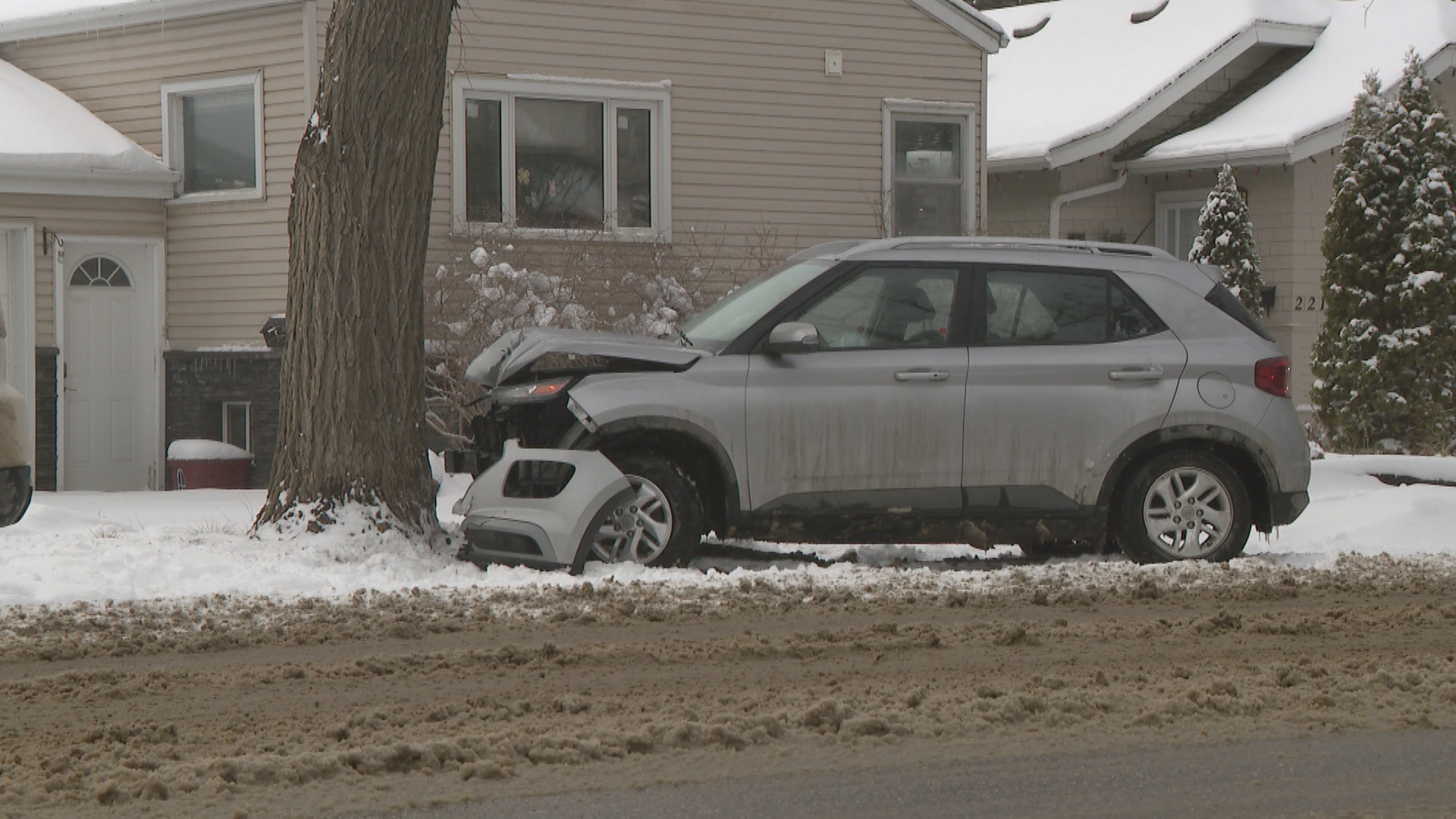
Winter just won't quit. You probably already swapped your winter tires for all-seasons or even summer performance rubber. Most people do by mid-April. But the sky didn't get the memo. This late-season snowfall is turning highways into skating rinks and catching drivers completely off guard. It's not just a minor inconvenience anymore. We're seeing a massive spike in multi-car pileups and slide-offs because the ground is warm, the air is cold, and nobody's mentally prepared for a blizzard in shorts weather.
The reality on the ground right now is messy. When snow hits warm pavement, it melts instantly, then freezes into a thin, invisible layer of ice as the sun goes down. This isn't the fluffy stuff you can see. It's black ice. It's deceptive. You think you're driving on wet pavement until your backend swings out. Emergency responders are already stretched thin. Tow trucks are playing whack-a-mole with ditches across the region. If you don't have to be out there, stay home.
Why April Snow Is Deadlier Than January Drifts
People get cocky. That's the biggest problem. In January, you expect the worst. You leave early, you keep a massive following distance, and you're hyper-aware of every twitch in the steering wheel. By late April, those habits have evaporated. We’ve had a few 60-degree days, the tulips are peeking out, and suddenly we're back to whiteout conditions.
The science of spring snow makes it particularly dangerous for your car. This isn't dry, powdery snow. It’s "heart attack snow"—heavy, wet, and dense. It sticks to your windshield wipers and builds up in your wheel wells. Because it’s so heavy, it compacts into ice under the weight of your tires much faster than cold winter snow. This creates a slushy top layer over a frozen base. It's the perfect recipe for hydroplaning.
Local police reports are showing a 40% increase in fender benders during these late-season bursts compared to mid-winter storms. Why? Because half the cars on the road are now running on tires that lose grip the moment the temperature dips below 45 degrees. Summer tires turn into hard plastic pucks in this weather. If you’re one of those people who rushed to the shop for a tire swap two weeks ago, you're essentially driving on greased lightning right now.
The Infrastructure Trap No One Talks About
Cities stop salting. It sounds cynical, but it’s a budget reality. Most municipal public works departments burn through their salt and brine budgets by the end of March. When a surprise storm hits in late April, they’re often caught with empty sheds or skeleton crews. They’ve already transitioned their trucks for spring maintenance or construction.
This means the "priority one" roads you usually rely on aren't getting the same level of care they did three months ago. You’ll see bridges and overpasses freezing long before the surface roads. These elevated structures lose heat from both the top and the bottom. While the road leading up to a bridge might just be wet, the bridge itself is likely a sheet of ice. I've seen countless drivers fly onto an overpass at 65 mph only to realize too late that the traction is gone.
Potholes make everything worse. April is peak pothole season. Winter’s freeze-thaw cycles have already shredded the asphalt. Now, you’ve got snow filling those holes, making them invisible. You hit a deep crater hidden by slush, your tire blows, and suddenly you’re a passenger in a two-ton metal box sliding toward the median. It’s a cascading failure of road conditions that we just don't see in deep winter.
Your Mechanical Safety Check
Don't assume your car is ready for this. Check your fluid levels. You probably used up most of your washer fluid during the last "real" storm. Seeing through the grey salt spray is impossible without it.
- Wiper Blades: If they're streaking, replace them now. Don't wait.
- Tire Pressure: Cold snaps cause air to contract. Your tires might be low, reducing your contact patch with the road.
- Battery Health: Cold starts after a warm week put massive strain on older batteries.
Navigating the Chaos Without Wrecking Your Car
If you're stuck in this mess, forget everything you do on a sunny day. Double your following distance. No, triple it. If the car in front of you slams their brakes, you need space to react without locking your own wheels. If you have anti-lock brakes (ABS), don't pump them. Push hard and let the computer do the work. If you don't have ABS, you’ve got to be much more delicate.
Steer into the skid. It’s the oldest advice in the book, yet people still panic and jerk the wheel the opposite way. If your rear end slides right, turn your steering wheel right. It feels counterintuitive in the heat of the moment, but it’s the only way to regain control. Honestly, most people just overcorrect. Small, smooth movements save lives. Large, jerky ones end up on the evening news.
Avoid cruise control entirely. This is a big one. If your car hit a patch of ice while cruise control is engaged, the system might actually try to accelerate to maintain speed, causing your wheels to spin and sending you into a spin. You need to be in total manual control of the throttle. Feel what the car is doing. If the steering feels "light" or disconnected, you're already floating on slush.
The Economic Hit of Late Season Collisions
These storms aren't just a headache; they're expensive. Insurance premiums take a hit every time there’s a localized "weather event" that causes a mass of claims. Body shops are already backed up from winter. Adding a fresh wave of April accidents means you could be waiting months for parts and labor. With the current supply chain issues in the automotive world, a simple bumper replacement from a slide-off can sideline your vehicle for eight weeks.
Rental car prices also spike when hundreds of people suddenly need a replacement vehicle at the same time. You’re looking at a massive drain on your wallet just because of a freak 24-hour weather window. It’s not worth the risk.
Prepare Your Emergency Kit (Again)
You probably took the shovel and the blankets out of your trunk. Put them back. If you get stuck in a multi-car pileup, you could be sitting on the highway for hours while emergency crews clear the wreckage.
- Heavy Blankets: Keep them in the backseat.
- Phone Charger: A dead phone is a death sentence if you're off the road in a rural area.
- Flashlight with Fresh Batteries: LED versions are best.
- Small Shovel: To clear snow from around your exhaust pipe so you don't get carbon monoxide poisoning while idling.
Stop trusting the calendar. The weather doesn't care that it's almost May. Slow down, check your tires, and keep your lights on. The best way to handle a late April snowstorm is to respect it like it’s the middle of January. If the roads look "just wet," treat them like they're frozen. It's better to arrive twenty minutes late than to not arrive at all. Check the local Department of Transportation (DOT) maps before you turn the key. If the map is red, stay off the bed. Tighten your grip, focus on the road, and keep your eyes moving. You've got this, but only if you take it seriously.