The fragile Middle East peace deal didn't even last three weeks. Anyone who thought the June ceasefire would permanently open the world's most critical energy chokepoint was kidding themselves.
On Tuesday, U.S. Central Command launched a massive wave of airstrikes against military targets inside Iran. Hours earlier, the U.S. Treasury Department abruptly yanked General License X, the sanctions waiver that allowed Tehran to legally sell its oil on the global market.
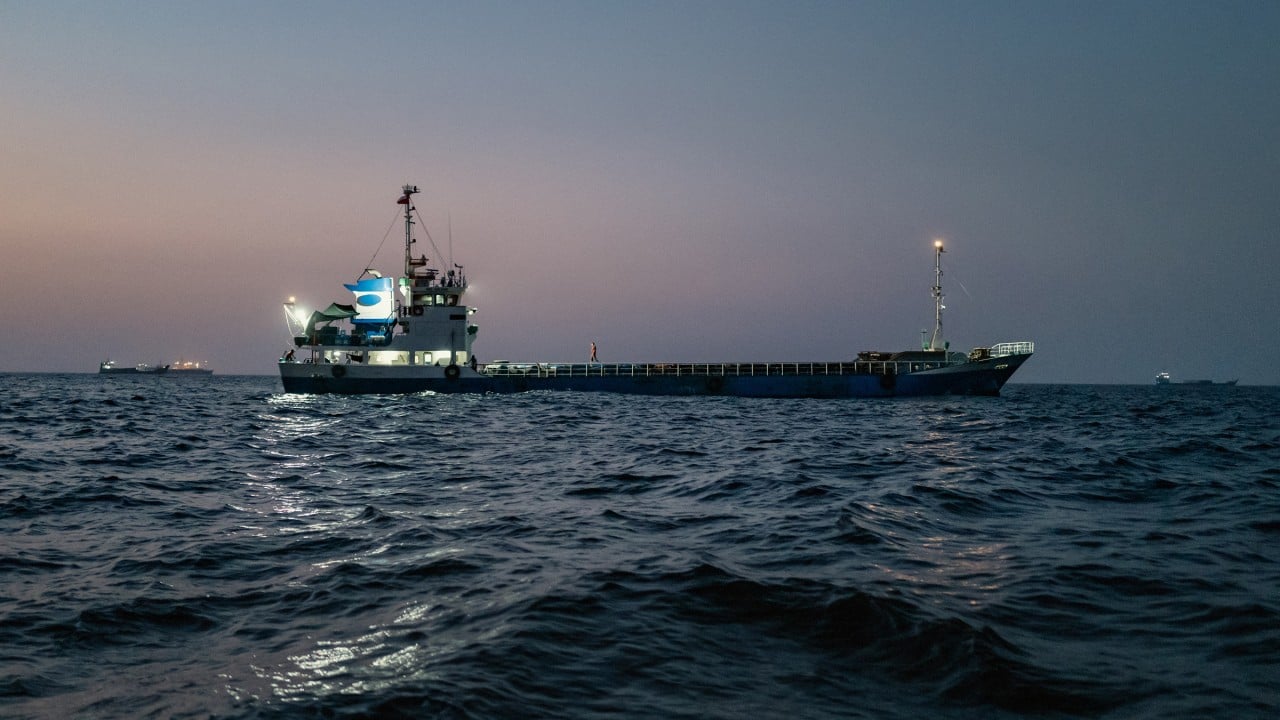
This swift, violent escalation didn't happen in a vacuum. It comes right after three commercial tankers were hit by missiles and drones in the Strait of Hormuz.
The short-lived diplomatic experiment is officially over. If you're expecting energy markets to stabilize anytime soon, you're looking at the wrong map. The rules of global shipping just changed permanently.
The Illusion of the Sixty Day Ceasefire
The 14-point memorandum of understanding signed on June 18 was supposed to buy time. It halted active fighting between Washington and Tehran, paused a brutal regional air war, and gave a desperate global market access to Iranian crude. Under the terms, Iran was supposed to clear mines and guarantee safe passage for commercial ships.
It was a transaction. Good behavior for oil cash.
Instead, Iran used the lull to try and rewrite the maritime rules of the gulf. While the U.S. and Oman attempted to establish a safe southern transit corridor hugging the Omani coast, Tehran demanded that all commercial vessels route themselves directly through Iranian waters and pay steep tolls.
When international shipping companies refused to play ball, the drones started flying again.
Three Tankers and a Broken Agreement
The breaking point came over a frantic 48-hour window. Three massive ships were targeted near the Omani coast. One of them, the Al Rekayyat, is a major liquefied natural gas carrier owned by QatarEnergy. Qatar didn't mince words. They immediately blamed Iran for a blatant violation of international law and hauled in Iran's deputy ambassador to demand answers.
Two other vessels, including a Saudi crude tanker, were also struck. According to British maritime security agency UKMTO, an unknown projectile sparked a fire on one vessel before drone strikes hit the others.
You can't claim you're adhering to a ceasefire while actively blowing up the infrastructure of your neighbors. The White House had to react. Pretending everything was fine wasn't an option anymore.
Washington Shuts Down the Financial Pipeline
The economic retaliation hit first. By replacing General License X with the highly restrictive General License X1, the Trump administration effectively locked Iran out of the global oil market again.
Don't buy into the corporate spin that this is a minor policy tweak. It's an immediate freeze.
The new license allows a strict 10-day wind-down period ending July 17. That's only for deals already in motion. Crucially, any revenue generated from those remaining shipments won't go back to Tehran. The cash will be funneled into blocked, interest-bearing U.S. accounts. China and India, the main buyers who were capitalizing on the brief sanctions holiday, now have to look elsewhere.
Sanctions Timeline (July 2026)
- July 7: General License X revoked. General License X1 issued. No new loadings allowed.
- July 17: Grace period ends for existing transactions. All funds frozen in U.S. accounts.
- August 21: Original expiration date of the dead June waiver.
Iran's Deputy Foreign Minister, Kazem Gharibabadi, fired back on social media, warning of severe consequences for America's breach of the agreement. But Washington's message is loud and clear. Benefits are entirely performance-based. If you fire missiles at commercial crews, your economy gets choked out.
Inside the Massive US Military Response
The financial hammer was followed by actual hardware. U.S. Central Command didn't just run a symbolic bombing raid. This was a heavily coordinated, punitive assault designed to cripple regional strike capabilities.
A U.S. official confirmed that American forces hit roughly eight times more targets than the previous round of strikes a week ago. Local reports from the Tasnim News Agency noted multiple massive explosions near Sirik and the village of Tahrouei. These areas are known strongholds for Revolutionary Guard missile operations.
The timing of the strikes adds another layer of geopolitical tension. The attacks hit right as senior Iranian leaders gathered in Iraq for funeral processions honoring the late Supreme Leader Ali Khamenei, who was killed earlier in the conflict. Iran's political elite, including President Masoud Pezeshkian and Quds Force commander Esmail Qaani, were away from Tehran when the bombs dropped.
The military message is direct. The U.S. will provide active air cover for ships transiting the Omani coast, and any hostile radar lock or missile launch will be met with immediate, overwhelming destruction.
Why Energy Markets are Heading for Chaos
If you think this is just another isolated skirmish in a long-running feud, check the commodity boards. Brent crude instantly jumped over three percent, climbing past $76 a barrel in Asian trading.
That's a massive shift from just a few weeks ago when the ceasefire briefly cooled off a market that had seen oil peak at $125 a barrel during the height of the spring blockade.
The Permanent Shift in the Strait
We aren't going back to the old status quo. The idea that a fifth of the world's oil can just glide through a narrow waterway without friction is dead.
Security analysts note that Iran has successfully demonstrated an ability to disrupt global supply chains at will. Even with U.S. warships patrolling the gulf, shipping companies face skyrocketing insurance premiums. Some vessels have already abandoned the Omani route entirely, while others are making frantic U-turns to avoid the strait altogether.
- Skyrocketing Insurance: War-risk premiums for tankers entering the gulf are jumping to unsustainable levels.
- Supply Chain Bottlenecks: LNG shipments to Asia and Europe face massive delays as alternative routes add weeks to travel times.
- Failed Negotiations: The broader diplomatic path to reopen the waterway has effectively collapsed.
What Happens Next
The immediate priority for energy buyers and logistics firms isn't waiting for a diplomatic miracle. It's securing alternative supply lines.
First, look for alternative shipping corridors. Avoid the northern gulf lanes entirely if your cargo isn't heavily escorted by international naval forces. Relying on unescorted commercial transit right now is a massive gamble that isn't worth the freight risk.
Second, brace for retail energy price spikes. The removal of Iranian crude from the daily global supply pool, combined with the renewed threat of a total blockade, means volatility is the new baseline. Energy-dependent businesses need to hedge their fuel and power costs immediately before the full impact of the July 17 financial cutoff hits the broader market.
The genie isn't going back into the bottle. The Strait of Hormuz is permanently altered, and the conflict is entering a much more dangerous, unscripted phase.