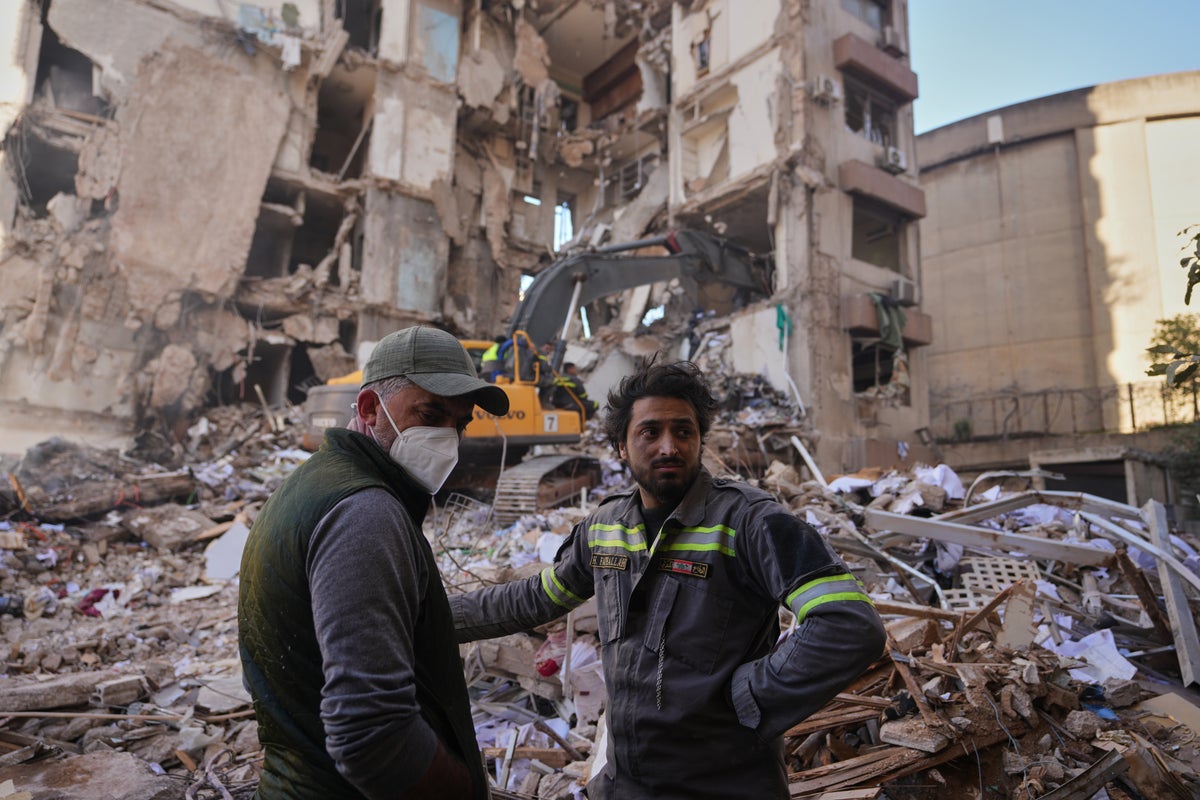
The siren of an ambulance in south Lebanon isn't a signal of safety anymore. It's often a bullseye. Since the fresh surge of Israeli strikes began on March 2, 2024, the World Health Organization (WHO) and Lebanon’s Ministry of Public Health have documented a horrifying trend. More than 100 attacks have slammed into the healthcare sector, leaving dozens of paramedics dead and hospitals shuttered.
You might think hospitals are off-limits in war. International law says they are. But the reality on the ground in Beirut, Tyre, and the Bekaa Valley tells a different story. We aren't just talking about collateral damage or "wrong place, wrong time" accidents. The data points to a systematic dismantling of the very systems meant to keep people alive. In other news, we also covered: Geopolitical Arbitrage and the Hormuz Kinetic Constraint.
The numbers behind the healthcare collapse
The scale of the destruction is hard to wrap your head around. According to the latest WHO Surveillance System for Attacks on Healthcare (SSA) data as of April 2026, there have been at least 113 reported attacks on medical facilities and personnel.
Here is the breakdown of what that looks like in the real world: The New York Times has also covered this fascinating subject in great detail.
- 57 healthcare workers killed as of early April.
- 93 attacks on Emergency Medical Services (EMS) specifically targeting the people who rush to help after a blast.
- 12 hospitals damaged and at least 6 forced to completely shut down.
- 75 medical vehicles—mostly ambulances—either blown up or rendered useless.
When you look at these figures, you realize that 3.73% of all casualties in this conflict are healthcare workers. That’s one of the highest ratios in any modern conflict globally. It’s not just a statistic; it’s a death sentence for the thousands of civilians who can’t get to a doctor because the road is blocked or the clinic is a pile of rubble.
The deadly double tap strategy
One of the most disturbing aspects of this escalation is the use of "double tap" strikes. This is when an initial strike hits a target, and then a second strike hits the same spot minutes later—just as paramedics and civil defense teams arrive to pull survivors from the wreckage.
I’ve seen reports from the Legal Agenda and Human Rights Watch documenting these incidents. On April 8, 2026, the Israeli military launched over 100 strikes in ten minutes. When you hit a densely populated neighborhood in Beirut with that kind of intensity, the local clinics don't just get "damaged." They get overwhelmed.
Doctors in these zones are now performing surgeries with hand-operated drills because they can't get replacement parts for medical tools or send them for repair. Imagine a brain surgery being done with a tool you'd find in a hardware store. That's the level of desperation we're talking about.
Why the protection of medics is failing
The Israeli military often claims that ambulances or medical sites are being used for military activities. They say this justifies the strikes. But organizations like Amnesty International have pointed out a glaring problem: they aren't providing evidence.
Under international humanitarian law, a hospital only loses its protection if it's used for "acts harmful to the enemy." Even then, you can't just blow it up. You have to give a warning and enough time for patients and staff to evacuate. That isn't happening. Instead, we see paramedics from the Islamic Health Association and the Islamic Risala Scout Association being targeted simply because of their affiliations, even though they operate under the Lebanese Ministry of Public Health's umbrella.
Basically, the "deadly playbook" used in 2024 is being re-run in 2026. The result is a total erosion of trust. People are now terrified to go to a hospital because they think it’s a target.
A system at the breaking point
The physical destruction of buildings is only half the crisis. The other half is the isolation. Between March 12 and April 8, Israeli forces destroyed almost every main bridge over the Litani River. The Qasmieh bridge was one of the last ones standing.
When you cut off the bridges, you cut off the blood supply. You cut off the oxygen tanks. You cut off the ability to move a patient from a small village clinic to a major hospital in Beirut. Over 150,000 people in the south are now effectively trapped in a medical vacuum.
Hospitals like Rafik Hariri Public Hospital in Beirut are seeing an influx of patients with horrific shrapnel injuries. MSF teams are reporting children who have lost entire families and their own limbs in single strikes. The staff are exhausted, underfunded, and increasingly, they are becoming the patients themselves.
What needs to happen right now
If you’re looking for a silver lining, there isn't one. But there are immediate steps that can prevent the total evaporation of the Lebanese health system.
- Stop the "Double Tap" Strikes: There is no military justification for hitting first responders. This is a clear war crime and needs to be treated as such by the international community.
- Open Humanitarian Corridors: Bridges and roads leading to hospitals must be declared safe zones. Cutting off medical logistics is a form of collective punishment.
- Verify Before Striking: Claims of "military use" of hospitals must be backed by transparent, real-time evidence before any kinetic action is taken.
- Fund the Emergency Response: The WHO has called for $30.3 million to keep trauma care and essential services running through August 2026. Without this, the few remaining hospitals will run out of fuel and medicine within weeks.
The protection of healthcare isn't a suggestion; it’s a binding rule of war. When we let that rule slide, we aren't just losing buildings—we're losing the very thing that makes us civilized. Check the updates from the WHO and ReliefWeb to stay informed on which facilities are still operational if you are coordinating aid or have family in the region.



