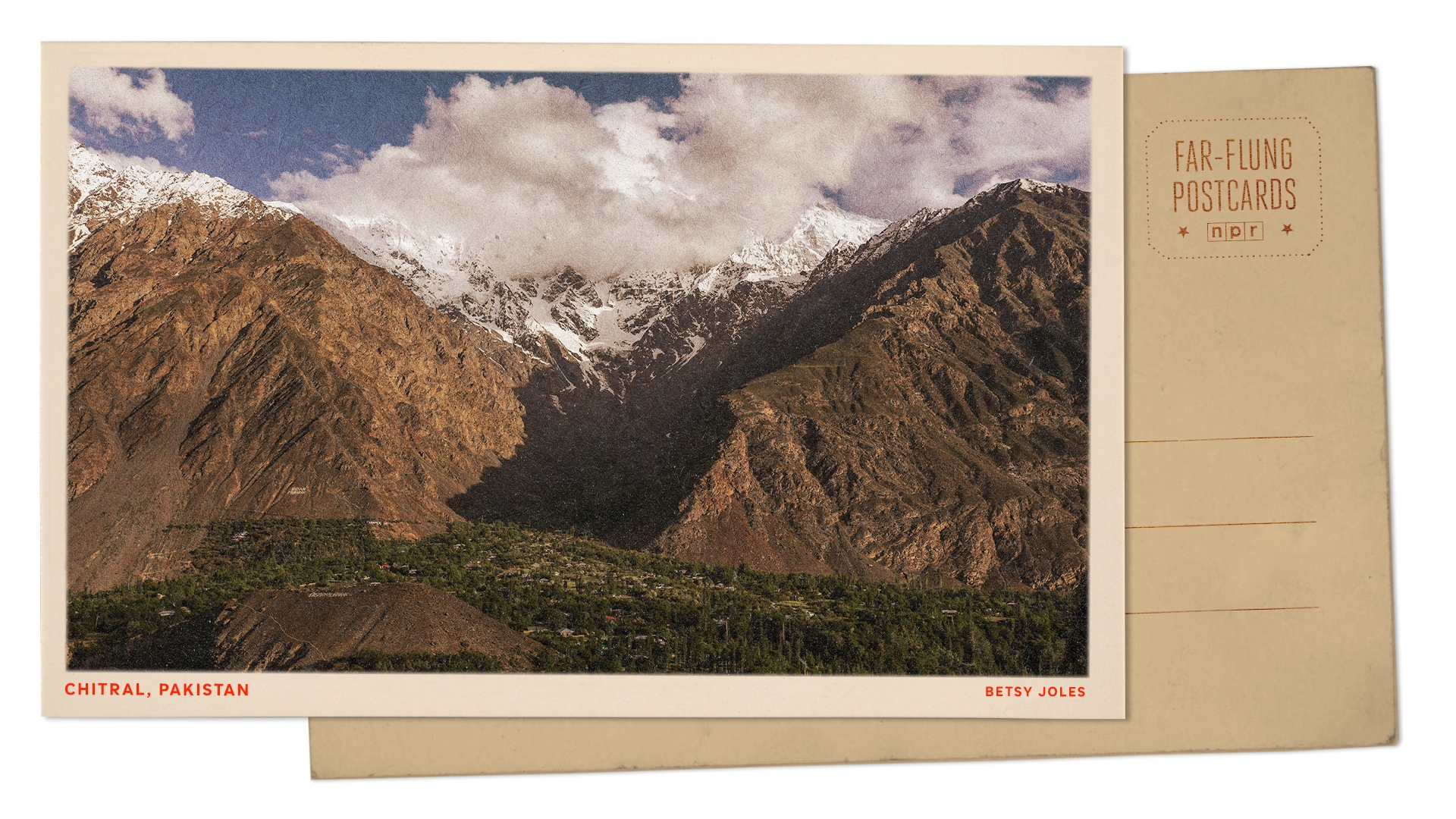
Most people picture dramatic peaks and snow when they hear about the Hindu Kush. They don't picture daily survival.
Northern Pakistan hides communities cut off from modern conveniences. Nestled high in these rugged ranges, geography dictates everything. Winters stretch for months. Avalanches block narrow paths. Electricity remains a luxury or a memory. Yet people thrive here.
You need to look past the dramatic scenery to see the actual reality. It's tough. It's isolated. It's profoundly human.
Surviving The High Altitude Isolation
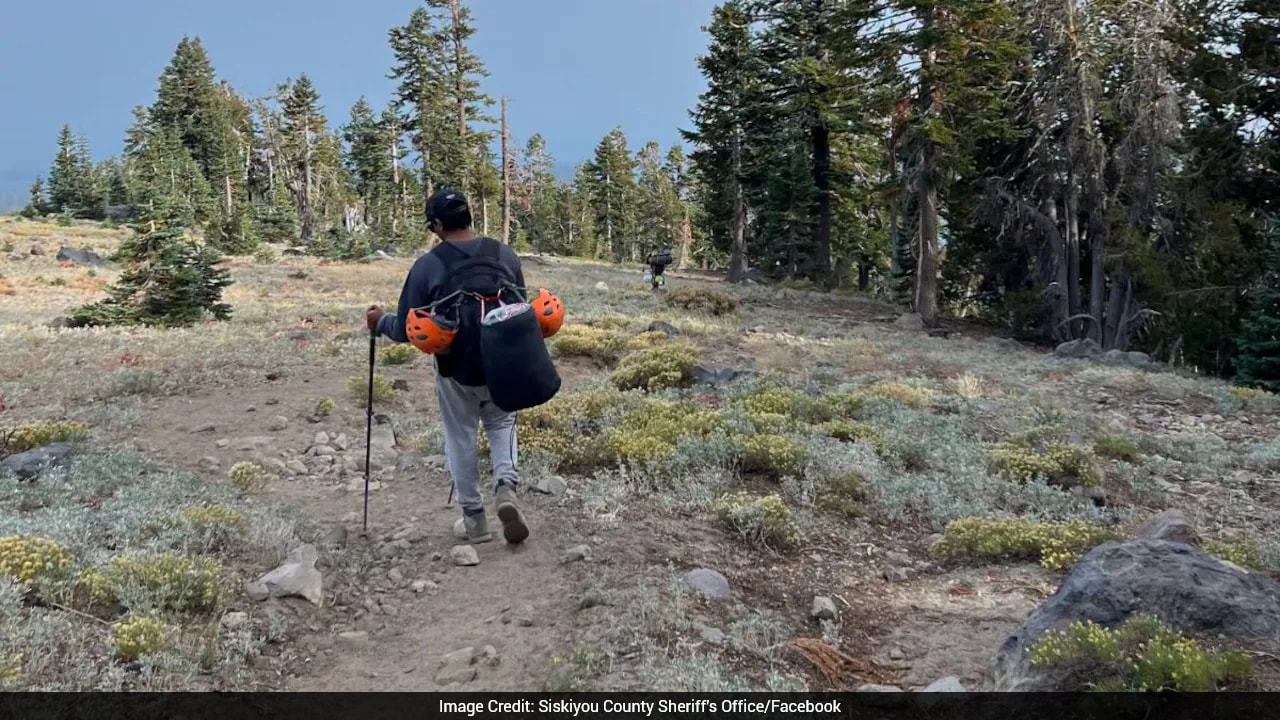
Geography creates walls. The Hindu Kush forms a massive barrier between Central and South Asia. Reaching these remote pockets isn't a casual Sunday drive. You navigate crumbling dirt tracks carved directly into sheer cliff faces. One wrong turn means a multi-thousand-foot drop.
During heavy snowfall, these mountain passes shut down completely. Villages remain entirely cut off for up to six months straight.
What does that mean for daily life?
- Stockpiling food: Families dry fruits, store grains, and preserve meat months before the first freeze.
- Self-reliance: If someone gets sick, modern hospitals are days away on foot. Traditional remedies and community resilience fill the gap.
- Fuel management: Wood collection is a dangerous, exhausting autumn ritual. Without it, freezing is a real threat.
People in urban centers complain about Wi-Fi outages. Here, an outage means your road literally washed away in a flash flood. Perspective shifts quickly when your survival depends on your neighbors and your own two hands.
The Cultural Tapestry Of The Valleys
Isolation breeds distinct identities. Because these mountain communities spent centuries shielded by high altitude passes, they developed unique languages, belief systems, and traditions that survived shifting empires down in the plains.
Take the Kalash valleys in Chitral district as a prime example. They stand apart from the surrounding majority-Muslim population. Their animist traditions, vibrant festivals, and distinct colorful attire draw curious anthropologists from across the globe.
Yet tourism brings friction. Outsiders bring cameras, trash, and modern expectations. Locals juggle preserving ancient heritage with the economic pull of outsiders wanting a glimpse of "untouched" life. It's a fragile balance. You can't keep a culture frozen in amber just for tourist snapshots. Younger generations want mobile phones and better schools. Who can blame them?
What Modernity Changes And What It Misses
Change creeps in slowly. Solar panels now dot slate rooftops. Satellite dishes appear beside ancient stone walls. Cell towers reach high altitude ridges, letting herders check market prices for livestock while tending goats on remote pastures.
Is that progress? Yes and no.
Connectivity brings education access and emergency medical help. It also erodes traditional oral histories. Why memorize centuries-old epic poems when you can watch a screen?
When you visit these regions, don't expect luxury. Expect cold water, hard beds, and unmatched hospitality. Families will share their last piece of bread with a stranger without hesitation. That code of honor runs deeper than any legal system.
If you ever plan to travel here, drop the tourist mindset. Pack light. Hire local guides. Respect the environment and the rigid social codes. These mountains don't forgive careless mistakes. They demand respect, patience, and a willingness to slow down to the pace of a mule track.
Stop romanticizing isolation as a cute aesthetic. It's hard work, biting cold, and relentless grit. It's also some of the most breathtaking terrain on Earth.