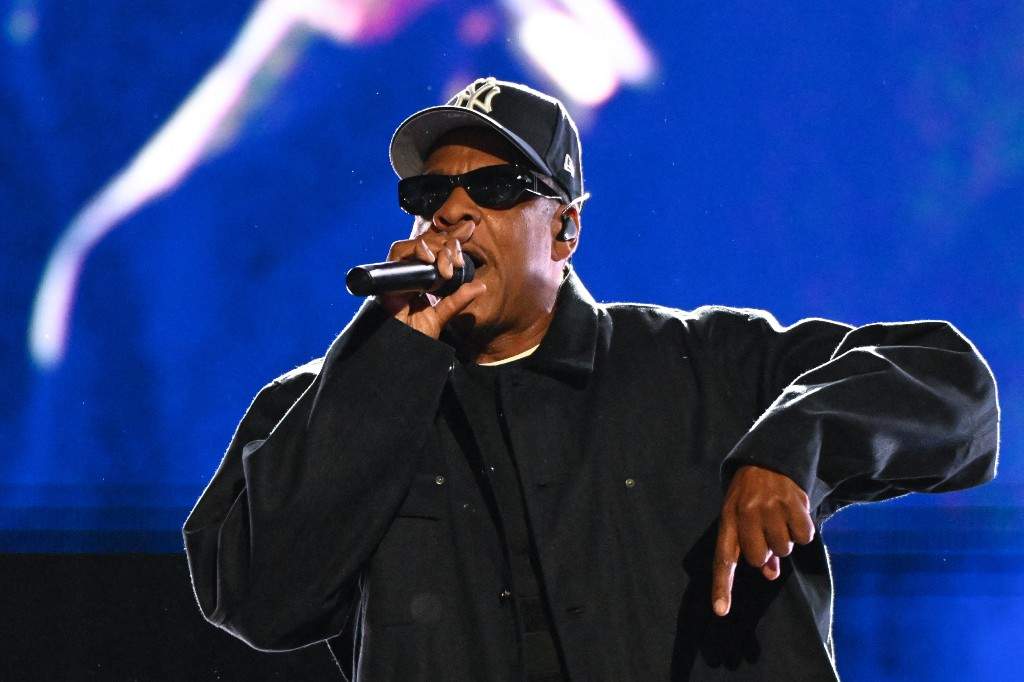
When Tom Jones postponed his Los Angeles and San Diego tour dates due to a severe bout of influenza, standard entertainment reporting treated the event as a routine celebrity health update. That framing misses the structural reality of the modern live music industry. A single-artist tour postponement is not merely an isolated medical inconvenience; it is a live-fire stress test of single-point-of-failure supply chains, non-fungible human capital, and complex risk-transfer contracts. Understanding how a respiratory virus halts a multi-city production requires examining the operational mechanics of touring, the biological constraints of vocal performance, and the financial architecture governing rescheduled dates.
The Single-Point-of-Failure Economics of Legacy Touring
Unlike manufacturing operations or software platforms, a solo musical tour operates with zero redundancy at its core node. The performer is simultaneously the chief executive, the primary manufacturing asset, and the sole deliverable product. In operations management, this represents an extreme single-point-of-failure architecture. When a touring headliner contracts an acute illness like influenza, the entire downstream value chain—comprising venue operators, local stagehands, ticketing platforms, merchandise vendors, and touring crew—grinds to an immediate halt.
The economic impact scales disproportionately for legacy artists like Tom Jones, whose vocal delivery relies on high-output, sustained acoustic power rather than heavy backing tracks or studio-assisted pitch correction. Standard entertainment coverage often conflates "postponement" with "cancellation," yet from a balance-sheet perspective, these two outcomes represent entirely different financial mechanisms:
- Cancellation triggers immediate cash outflows. Ticket vendors must refund gross receipts, promoters forfeit non-recoverable marketing spends, and the artist loses 100% of the guaranteed performance fee.
- Postponement preserves working capital. By retaining ticket revenue in escrow and shifting the performance date forward, promoters protect liquidity, avoid immediate refund cascades, and maintain the viability of sunk logistical costs.
The decision to postpone Los Angeles and San Diego dates rather than cancel them reflects a calculated effort to preserve the net present value of the tour leg. However, this preservation strategy introduces significant friction costs. Re-routing a tour requires aligning three rigid variables: artist recovery timelines, venue availability in high-demand Tier-1 markets like Southern California, and the routing schedules of rented production equipment.
Physiological Bottlenecks of Influenza on Vocal Mechanics
Public announcements citing a "bad case of the flu" are deliberately broad, yet the physiological reality of influenza presents a specific, non-negotiable mechanical failure for a vocalist. Influenza is an acute viral infection of the upper and lower respiratory tracts. For an octogenarian performer, the systemic inflammatory response carries heightened risks of secondary bacterial infections, prolonged fatigue, and acute dehydration.
Even setting aside systemic health risks, the localized impact of influenza on the vocal apparatus makes live performance physically impossible without risking permanent structural damage:
- Vocal Fold Edema: Viral inflammation causes fluid accumulation (edema) in the superficial lamina propria of the vocal folds. This swelling increases the mass and stiffness of the folds, raising the phonation threshold pressure—the minimum subglottic air pressure required to initiate vocal fold vibration. The singer must push significantly more air to produce sound, leading to rapid muscular exhaustion.
- Mucociliary Clearance Disruption: Influenza strips the ciliated epithelial cells lining the trachea and larynx, replacing thin, lubricating mucus with thick, viscous secretions. This impairs the mucosal wave—the fluid, ripple-like motion across the vocal fold surface essential for clean timbre and pitch control.
- Compensatory Hyperfunction: When a vocalist attempts to sing through acute laryngitis or flu-induced edema, the intrinsic and extrinsic laryngeal muscles overcompensate to force closure of the swollen folds. This hyperfunction creates high collision forces, dramatically increasing the risk of vocal fold hemorrhage or the formation of fibrovascular lesions.
For a performer whose brand equity rests entirely on vocal authenticity and power, attempting to execute a two-hour set while infected is an asymmetric gamble. The upside is fulfilling two contractual dates on schedule; the downside is permanent vocal injury that terminates all future earning capacity. Medical stand-down is the only rational risk-management decision.
Contractual Risk Transfer and Force Majeure Mechanics
When a postponement occurs, a complex web of contractual mechanisms immediately activates behind the scenes. Live entertainment contracts are built around strict allocation of risk between the artist (represented by their touring entity and booking agency) and the talent buyer (the local promoter or venue operator).
Standard performance agreements contain specific illness and incapacitation clauses, distinct from broad force majeure provisions. While force majeure typically covers external, unforeseeable events such as severe weather, civil unrest, or government-mandated lockdowns, artist illness falls under personal incapacitation. To invoke this clause without triggering a breach-of-contract penalty, the artist's management must satisfy strict evidentiary requirements:
- Independent Medical Verification: Promoters and event cancellation insurers rarely accept a simple statement from the artist's personal physician. Contracts typically require certification from an independent, locally licensed medical specialist confirming that the artist is physically incapable of performing.
- Notification Windows: The artist's team must notify the promoter within a narrow, predefined window—often 24 to 48 hours prior to load-in—to allow the venue to halt local variable expenses such as stagehand calls, security staffing, and catering orders.
- Exclusivity and Re-booking Rights: The promoter retains the right to reschedule the performance within a specified timeframe (commonly 90 to 180 days) under the original financial terms, preventing the artist from routing a competing show in the same market radius.
Event cancellation and non-appearance insurance policies backstop these agreements, yet these policies carry substantial deductibles, strict exclusions for pre-existing conditions, and high premiums for artists over the age of 75. Consequently, touring entities frequently self-insure against minor postponements, absorbing the sunk costs of crew salaries, bus leases, and hotel cancellations out of tour reserves rather than filing insurance claims that would spike future underwriting rates.
Logistical Cascade Across Tier-1 Markets
Postponing shows in Los Angeles and San Diego presents distinct logistical challenges compared to secondary or tertiary touring markets. Southern California venues operate at near-maximum capacity year-round, creating severe scheduling bottlenecks when an artist attempts to slot rescheduled dates into an existing calendar.
The operational friction manifests across three distinct layers:
- Venue Routing Compression: Major theaters and amphitheaters in Los Angeles and San Diego book their calendars 12 to 18 months in advance. Finding two consecutive or closely spaced open dates that align with the artist's broader North American or international routing often forces management to tack the rescheduled shows onto the very end of a tour leg, extending crew contracts and equipment rentals.
- Ticketing Platform Escrow and Chargebacks: Primary ticketing platforms like Ticketmaster or AXS immediately update event statuses from "Scheduled" to "Postponed." Under standard consumer protection policies and platform terms of service, a postponement does not automatically trigger universal refunds; instead, tickets remain valid for the new date, while a limited refund window opens once the new date is announced. If the new date is delayed beyond 60 days, platforms often open an interim refund window, which can erode the promoter's cash position and force a secondary marketing campaign to resell refunded inventory.
- Dynamic Pricing Distortion: When tickets are refunded and returned to primary inventory months after the initial on-sale, dynamic pricing algorithms must recalibrate. If initial enthusiasm has cooled, the promoter may be forced to lower ticket prices or deploy promotional discounting to fill the room, compressing profit margins on a show that already incurred duplicate administrative costs.
Limitations of Modern Tour Mitigation Strategies
Industry observers frequently ask why major touring acts do not build stronger buffers into their schedules to absorb illness-related disruptions. The reality is that live touring economics actively penalize excess slack.
Every non-performing day on the road—known as a "dark day"—burns fixed capital. Touring personnel, including audio engineers, lighting directors, tour managers, and backline technicians, are paid weekly retainers regardless of whether a show occurs. Tour buses and equipment trucks accrue daily lease and fuel fees. Adding extra recovery days between high-intensity markets like Los Angeles and San Diego reduces the overall gross margin of the tour leg. Promoters and business managers must constantly balance the cost of a guaranteed dark day against the statistical probability of an illness-induced postponement.
Furthermore, no preventative protocol eliminates viral transmission risk on tour. Even when legacy artists enforce strict backstage isolation bubbles, utilize private aviation, and deploy HEPA filtration in dressing rooms, they remain exposed to local venue staff, ground transportation drivers, and commercial hospitality environments. Preventive measures reduce probability; they do not eliminate variance.
Tactical Protocol for Stakeholders Managing Tour Disruptions
For talent buyers, tour managers, and industry analysts evaluating the impact of artist illness postponements, executing a disciplined response minimizes capital leakage and preserves consumer trust.
- Audit the Refund-to-Retention Ratio: Within 72 hours of announcing rescheduled Los Angeles and San Diego dates, promoters must track the exact percentage of ticket holders requesting refunds. If refund requests exceed 15% of gross capacity, immediately allocate incremental digital marketing spend to capture secondary-market demand before the venue's visual optics suffer.
- Lock Crew Retainers on Standby Clauses: Tour managers should negotiate split-rate standby clauses in crew contracts prior to tour launch. Paying 50% to 75% of daily rates during medical stand-downs preserves crew availability for rescheduled dates while reducing immediate cash burn by up to 30% during inactive periods.
- Execute Transparent Medical Communication: Ambiguous statements trigger speculative secondary-market sell-offs, as fans assume a permanent retirement or severe health crisis is imminent. Releasing specific, clinically grounded updates—confirming acute viral influenza alongside a clear recovery timeline—stabilizes ticket retention and prevents panic-driven refund spikes.
- Isolate Routing Dependencies Early: When re-routing Southern California dates, booking agents should prioritize standalone weekend anchors rather than mid-week routing fillers, maximizing local drive-in attendance and offsetting the incremental costs of re-mobilizing production assets.