Wealth usually comes with a soundtrack. The metallic clink of crystal flutes, the heavy drone of luxury engines idling outside five-star hotels, the quiet rustle of silk against leather seats. We have been conditioned to believe that accumulation is the natural reward of achievement. You work, you earn, you gather, you protect. You build walls high enough to keep the chaos of the world at bay.
Then comes a man who spent a lifetime hoarding only receipts of generosity. Meanwhile, you can find other stories here: The Silent Ballot Beneath the Surface of a Changing Nation.
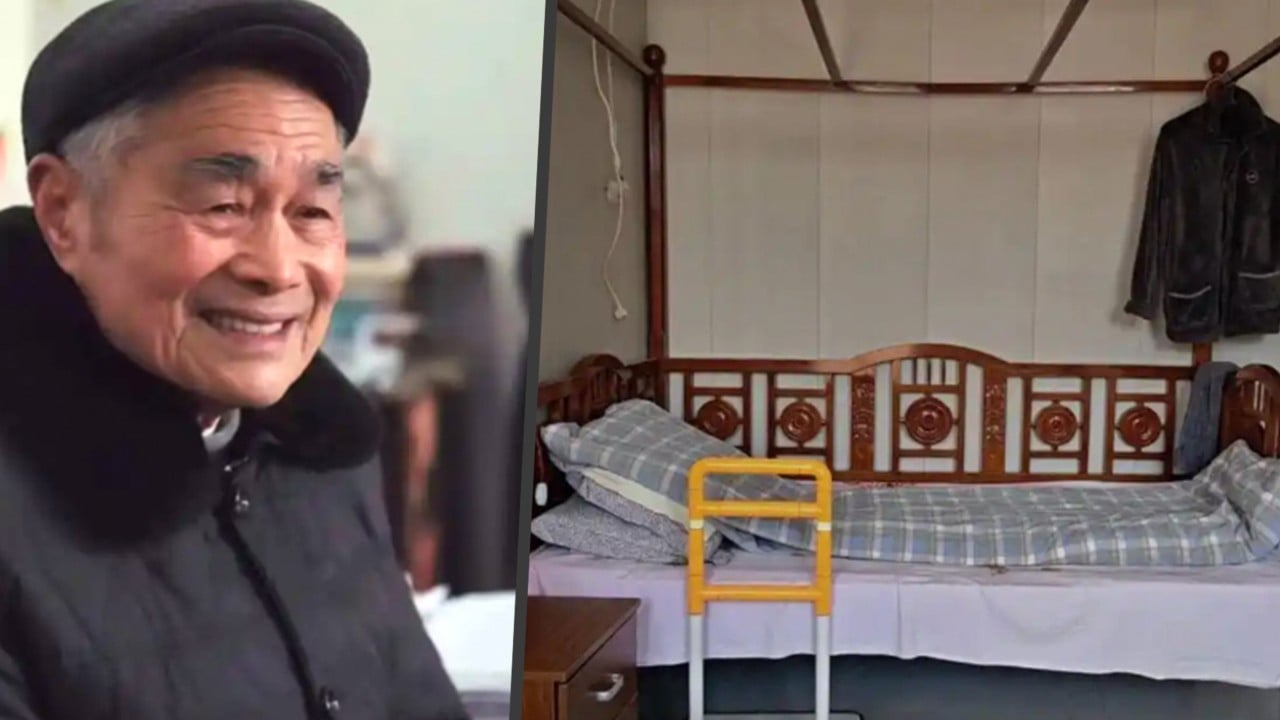
His name is Lodro Gyatso. To thousands, he is a living Buddha, a spiritual figure cloaked in crimson and saffron, moving through the high-altitude chill of China's Qinghai province. To the modern financial mind, he is an anomaly so profound it borders on the absurd. He recently handed over nine million dollars to charity.
Nine million dollars. To understand the full picture, we recommend the excellent report by BBC News.
Let that figure settle against the backdrop of how that money was actually gathered. This was not a tech IPO cashed out in Silicon Valley. It was not inherited generational real estate or a slick corporate buyout. This fortune was assembled through a relentless, agonizingly patient discipline. He saved every single cent. For decades.
Imagine the texture of that existence. The thin air of the plateau scraping against dry skin. The monastery walls holding back the mountain wind. While the rest of the modern economy runs on the frantic pulse of consumption—upgrade, replace, acquire, repeat—Lodro Gyatso practiced an almost forgotten radical subtraction.
Every donation he received for his religious duties, every yuan offered by devoted pilgrims seeking blessings, every coin intended for his personal comfort or sustenance was redirected. Not into a private portfolio. Not into real estate holdings in Beijing or Shanghai. Into an ironclad lockbox of intent.
To understand the weight of nine million dollars in this context, consider what money usually does to human beings. Currency is liquid; it wants to flow toward comfort. It whispers promises of security, status, and insulation from suffering. When someone hands you money, the immediate neurological reflex is to secure your own perimeter. Me first. My family second. The future third.
Lodro Gyatso inverted that entire psychological wiring.
For years, rumors drifted through local communities. People whispered about the monk who lived on next to nothing. They saw him in patched robes. They knew he didn't indulge in the quiet luxuries that sometimes creep into modern monastic life. But the sheer scale of his accumulation remained invisible until the ledger was finally opened. Nine million dollars is not just a sum; it is a monument to deprivation chosen willingly for the sake of others.
Why do we find this so startling? Because we live in an era where philanthropy is often a PR strategy. Billionaires launch foundations with glittering galas, ensuring their names are etched in brass on hospital wings and university libraries. Tax deductions are calculated. Brand equity is managed. Generosity has become an asset class.
This was different. This was anonymous devotion translated into hard currency, destined entirely for schools, poverty alleviation, and disaster relief. No foundation named after him. No grand portrait hanging in a gallery. Just the cold, hard proof of a life lived entirely for an ideal.
Consider what happens when a spiritual leader actually practices the asceticism they preach. In many traditions, detachment is treated as a philosophical luxury—something to be contemplated in quiet halls while the practical business of gathering resources continues behind the scenes. Lodro Gyatso stripped away the hypocrisy. He treated materialism as a literal fire, and he refused to let a single spark touch his dwelling.
The mechanics of his saving spree read like fiction, yet every transaction is verified. Donors gave because they trusted him. And he honored that trust by refusing to spend it on himself. Every time a coin dropped into his collection bowl, it represented a choice. A choice between a warmer coat for himself and a textbook for a child miles away. Between a softer bed and a medical clinic roof.
He chose the child. He chose the roof. Every single time. Over the course of a lifetime, those choices compounded into an absolute fortune.
We often talk about wealth generation as an intellectual triumph. We study the habits of titans who turn millions into billions through market timing, leverage, and ruthless efficiency. But there is a parallel universe of discipline that we rarely examine. The discipline of radical self-denial. It requires a mental fortitude that most modern operators cannot fathom. To stare at millions of dollars passing through your hands and treat them as radioactive to your personal ego takes a mind anchored in something far deeper than temporary comfort.
When the handover happened, it didn't make the front page of every Western newspaper. It didn't trigger market fluctuations or dominate social media feeds for days. It arrived quietly, like a shift in the wind across the high plateau. Yet its resonance is deafening.
It forces a uncomfortable mirror onto our own daily choices. We look at our bank statements, our subscription services, our closets overflowing with synthetic threads, our frantic attempts to secure just a little bit more buffer against an uncertain future. We call it necessity. We call it being realistic.
Lodro Gyatso calls our bluff.
He proves that human beings are capable of a completely different operating system. One where the self is not the center of gravity. One where giving is not a transaction designed to generate a return, but an absolute end in itself.
The money is already moving now. It is building schools where none stood before. It is warming classrooms against the brutal mountain winter. It is feeding families who thought the world had forgotten them.
And somewhere in Qinghai, a man in faded robes is walking back to his quarters, possessing nothing, needing nothing, having already given away the entirety of an empire he built out of loose change and fierce compassion.
The ledger is closed. The balance is zero. And that is precisely the victory.


