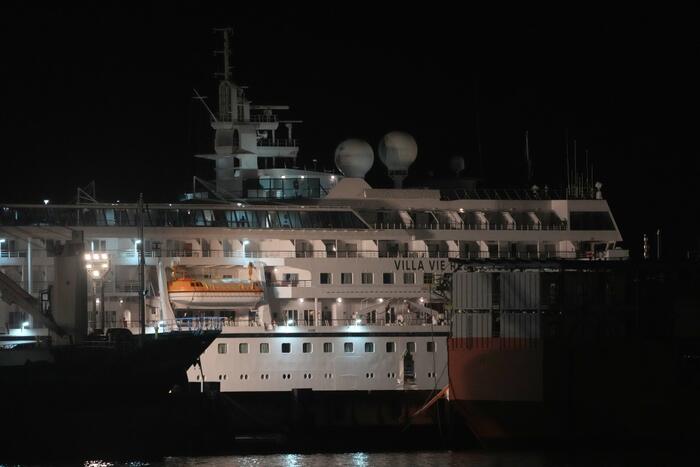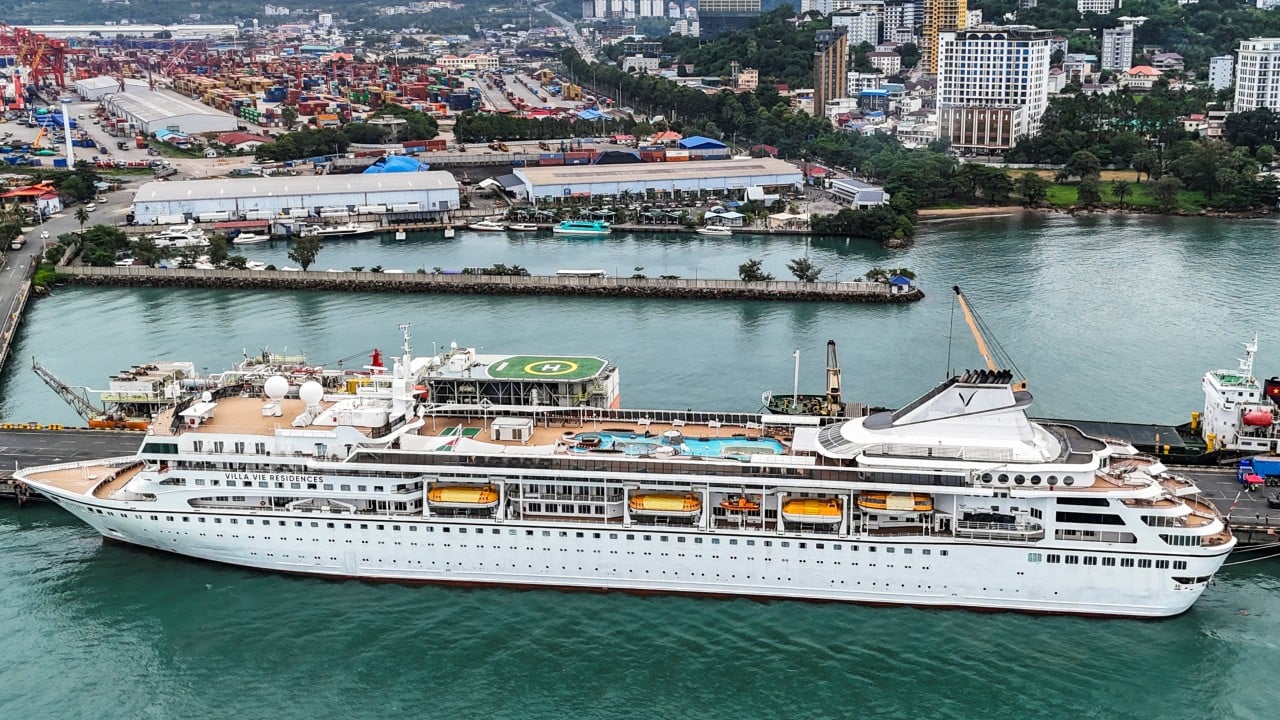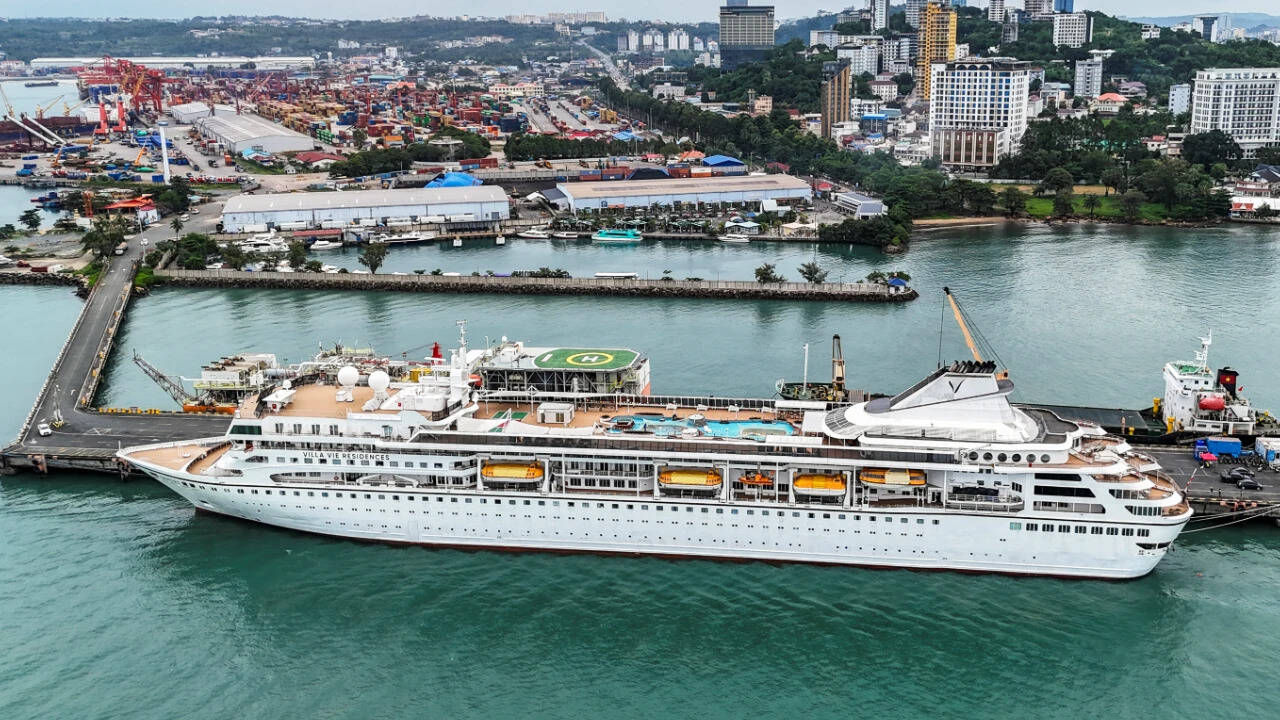
Imagine signing up to live at sea, only to get pushed ashore because marine fuel costs jumped from $1,800 to $8,000.
Sounds wild, right? Yet for folks treating cruise cabins or smaller liveaboard vessels as long-term homes in Southeast Asia, a sudden spike in marine fuel costs can blow up the math overnight. When bunker prices climb from $1,800 to $8,000, a floating home stops feeling like a bargain and starts looking like a financial trap. People who thought they had cracked the code on low-cost coastal living suddenly find themselves packed up and hunting for land leases around Cambodia.
Let's be honest. Living full-time on a boat or cruise-style vessel has always been sold with a lot of romantic gloss. People picture endless ocean breezes, zero lawn mowing, and waking up in a new harbor every week. What they rarely picture is how brutal operating economics get when fuel prices swing wildly, port rules tighten, or ship operators pass unpredictable surcharges straight onto residents.
Why Marine Fuel Costs Hit Long-Term Ship Residents So Hard
When you rent an apartment on land, your landlord doesn't suddenly quadruple your rent on a Tuesday because diesel got pricier at the pump down the street. Out on the water, fuel isn't a minor utility bill. It is the lifeblood of movement, power generation, propulsion, and sometimes even onboard desalination and climate systems depending on the vessel setup.
When fuel costs jump from $1,800 to $8,000, that isn't a small bump. It's a more than fourfold surge. Even if those figures represent a batch refueling, a charter allocation, or a resident share of voyage bunker expenses, the shockwave hits immediately. Operators have thin margins, especially on smaller vessels, regional liners, or residential-style charters operating in Southeast Asian waters where supply chains can tighten fast.
From my experience watching how liveaboard budgets unravel in real life, residents almost always underestimate variable operating risk. People budget carefully for cabin fees, groceries, laundry, and Wi-Fi. Then a fuel surcharge or voyage cancellation hits, and the whole spreadsheet goes sideways.
Here is why maritime fuel swings feel so unforgiving compared to land expenses:
- No easy substitution: A car driver can switch routes or ride a scooter when gas rises. A ship operator burning specific marine fuel grades can't just top off at a cheaper corner station mid-voyage.
- Pass-through billing: Whether structured as a fuel surcharge, a shared operating fee, or an itinerary suspension, ship operators rarely absorb a fourfold jump quietly.
- Stranded value: Unlike a house you can sell slowly over six months, a vessel berth or liveaboard arrangement tied to a specific route loses utility the moment the ship stops moving or alters schedules.
That's the catch nobody puts on the glossy brochure. Living at sea means your home is attached to a moving industrial machine. When the machine gets too expensive to run, the people inside feel it first.
What Actually Happens When Cruise Ship Residents Get Forced Ashore
Getting pushed off a ship or having a floating arrangement cut short in Cambodia isn't just about finding a hotel room for the night. It triggers a messy chain reaction of logistics, visas, storage, and mindset shifts.
First comes the immediate scramble. You have bags, electronics, documents, maybe a pet or medical supplies, and suddenly a gangway leading onto dry land. If you've been living aboard for months, you probably got used to having everything within thirty paces of your cabin. Moving ashore means figuring out where your stuff goes while you sort out a medium-term place to stay.
Second comes the geography and local reality of Cambodia. Coastal hubs like Sihanoukville, Kampot, and Kep offer very different vibes and price points. Sihanoukville has deep-water port infrastructure and big commercial development alongside plenty of stalled or uneven pockets, while riverside and coastal towns like Kampot feel slower, greener, and much more geared toward expats and longer stays. Phnom Penh sits inland, offering fuller city services and medical access, though without the ocean view.
Let's not pretend moving ashore is a smooth upgrade for everyone. Some folks actually feel relieved to have solid ground under their feet again, reliable internet, and normal grocery stores without ship markups. Others feel claustrophobic in an apartment after getting used to open water. Personally, I think the biggest shock is losing the rhythm of ship life—no bells, no crew routines, no sea breeze—and having to negotiate electricity meters and landlord terms on land again.
Visas and Legal Realities in Cambodia
If you're staying in Cambodia longer than a quick weekend, immigration rules matter right away. The country has long been known for relatively accessible entry options compared to some neighbors, including tourist visas and ordinary business or retirement-style extensions depending on eligibility, though entry categories, overstay penalties, and enforcement details are set by Cambodian authorities and can change.
Don't guess on visa rules while stressed about housing. Check official Cambodian government channels or a reputable local immigration service before your current stay stamp runs out. Overstaying in Southeast Asia is one of the fastest ways to turn a bad travel week into an expensive headache.
Hidden Traps People Miss About Living Full-Time at Sea
The residential cruise and liveaboard trend gets hyped online every few months as the ultimate retirement or remote-work hack. Some people genuinely make it work for years. Plenty of others burn through savings fast because they bought into half-truths.
The "Cheaper Than Rent" Myth
On paper, a monthly cabin rate or boat share can look competitive against rent in major Western cities. In reality, you have to compare apples to apples. Basic cabin rates often exclude port fees, fuel surcharges, medical care, excursions, communication packages, and shore expenses. Once marine fuel costs spike, any illusion of cheap, fixed living evaporates quickly.
Healthcare and Insurance Gaps
Getting older or having a medical issue while living aboard adds layers of complexity. Ship medical centers are typically equipped for stabilization and common illnesses rather than complex ongoing care. When you're forced ashore in a developing market, you want clear travel or international health insurance that covers evacuation and local hospital care without nasty surprises. Organizations like the World Health Organization publish broad health guidance by country, and checking your insurer's network in Cambodia before an emergency happens saves serious grief.
Itinerary Fragility
Full-time ship living assumes the ship keeps sailing on a predictable loop. Weather, mechanical work, port congestion, regulatory shifts, and fuel spikes can all break that loop. If your entire lifestyle depends on a single vessel staying active and solvent, you're holding a lot of concentrated risk.
Comparing Life Aboard vs. Landing on Shore in Cambodia
Deciding whether to scramble back onto another vessel or plant roots on land in Cambodia comes down to what kind of stability you actually want right now.
Living aboard gives you mobility, a tight-knit shipboard community, and views you can't get from a studio apartment. The flip side is exposure to operator decisions, fuel volatility, tight quarters, and limited personal storage. You don't truly control the asset, even if you pay faithfully every month.
Moving ashore in Cambodia gives you control over your space, the freedom to cook what you want, and lower day-to-day exposure to marine bunker swings. Yet land brings its own quirks: power outages during heavy storms, humid seasons that test your gear, traffic, and language barriers outside tourist pockets. Neither option is magic. Both require realistic expectations and a cash buffer.
Practical Next Steps If You're Forced Ashore or Planning Sea Living
Whether you're dealing with a sudden disembarkation right now or weighing whether full-time ship life makes sense for you, keep your next moves practical and grounded.
- Build a dedicated fuel and disruption buffer. Never commit your last dollar to a vessel arrangement. Keep liquid cash aside equal to at least two to three months of land housing and living costs so a sudden fuel spike or schedule halt doesn't force panic decisions.
- Audit every fee before signing anything. Ask in writing how fuel adjustments, port charges, maintenance, and early termination work. If a contract leaves fuel or operating surcharges completely open-ended, treat that as a major red flag.
- Pick your Cambodian base by lifestyle, not hype. If you want walkable cafes and a slower pace, look closely at Kampot or Kep. If you want big-city services and medical options, check Phnom Penh. Avoid rushing into long leases on your first week off the boat.
- Keep your exit options open. Maintain valid passports with plenty of blank pages, digital and physical copies of key documents, and flexible travel funds. On the water or on land, flexibility is what keeps you calm when plans change.