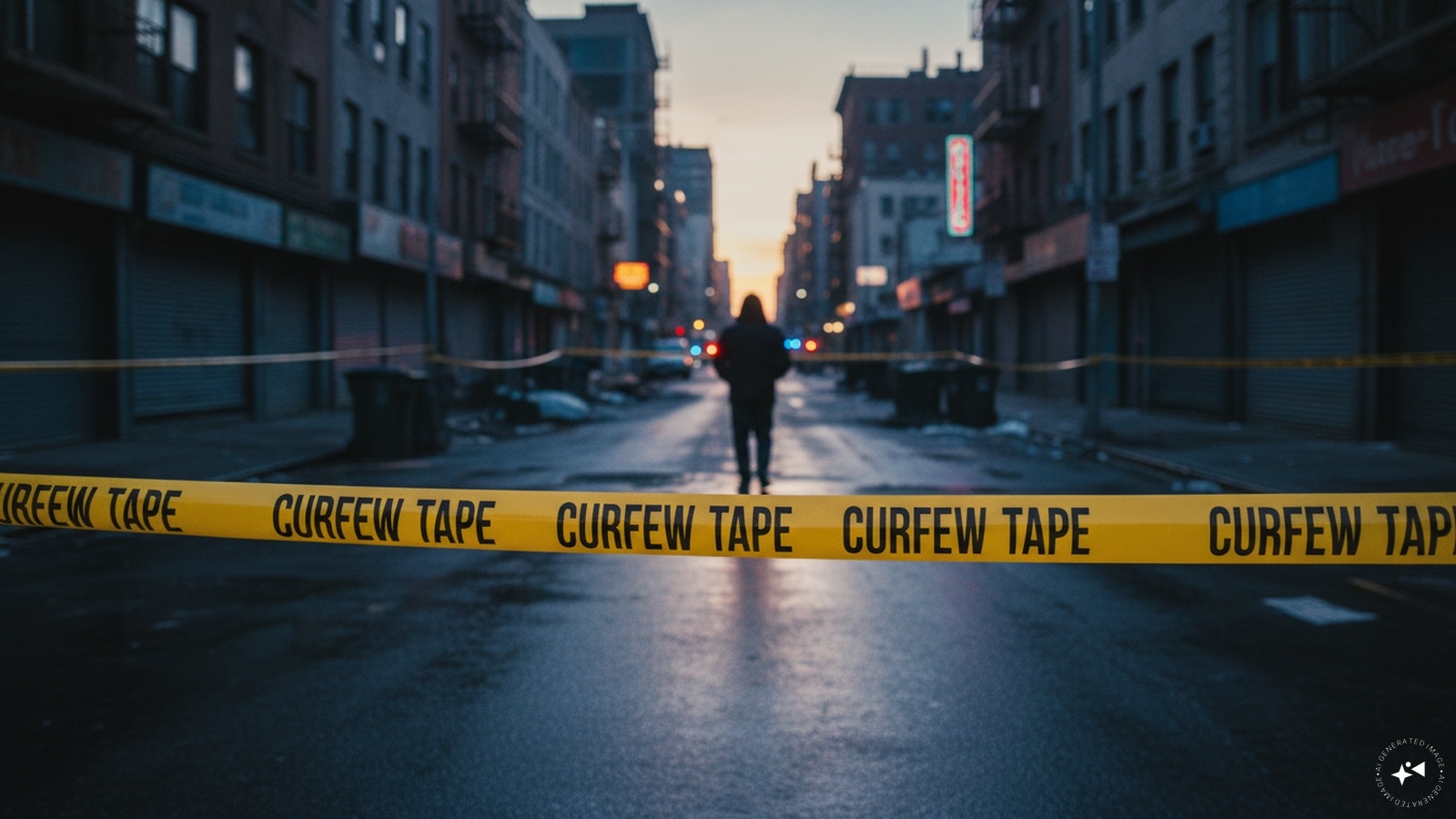
Fifty years of history vanished in a single morning. A neighborhood institution, a place where people actually bought physical books and talked to human beings, is shutting its doors forever. The reason isn't rising rent or dwindling sales. It’s the fallout from a national security raid that left the shelves stripped and the staff in total shock.
You’ve likely seen the headlines. A chaotic scene, government agents, confiscated inventory, and a community left wondering what happened. When an independent bookshop hits the news for something this drastic, it’s rarely just about the books. It’s about the massive gap between how we perceive our local businesses and how the state views potential threats in an age of heightened surveillance. For another perspective, read: this related article.
How the Rules Shifted Beneath Them
I’ve spent enough time around small business owners to know that most of them can barely keep up with tax filings, let alone navigate complex national security protocols. The reality is that federal agencies don't always differentiate between a cozy corner store and a distribution hub. If an agency suspects restricted material or illicit communication channels are running through a private business, they move fast.
They don't care about your fifty-year reputation. They don't care about the regulars who grab coffee there every Saturday. They have a warrant, a mandate, and a job to do. When they clear out a shop under these circumstances, it triggers a chain reaction. Insurance policies void. Suppliers get scared. Banks freeze accounts. The physical damage is secondary to the reputational hit. You can’t bounce back from an accusation that severe, even if you’re completely innocent. Related reporting on the subject has been published by NPR.
The Cost of Being a Public Space
We often forget that a bookshop is one of the last places left where you can exist without a digital footprint. You walk in, browse, pay cash, and leave. There’s no login. No tracking pixel. No data harvesting. That anonymity is a beautiful thing. It’s also exactly why these places become targets.
Government oversight is increasing. We see it in the way financial transactions are monitored and how private logistics are tracked. If a bookstore inadvertently facilitates a connection that an agency finds problematic—or if a single employee happens to be under a microscope—the entire shop goes down with them. It’s a harsh lesson in modern risk management. Small business owners today need to understand that they aren't just selling paper and ink. They are managing a node in a much larger, often volatile, social network.
Beyond the Raid
The fallout isn't just about closing shop. It’s about what we lose when we stop supporting these places. Every time a community staple like this disappears, it creates a vacuum. Usually, that space gets replaced by a chain store or, worse, stays boarded up.
If you own or manage a public-facing business, you need to look at your operations differently.
- Audit your logistics. Who are your suppliers? Are you dealing with third-party vendors who operate in grey areas? If you don't know where your stock originates, you are exposed.
- Digital boundaries. Are you running an open Wi-Fi network for customers? You should probably lock that down. It’s a common vector for liability issues that small owners never even think about until it’s too late.
- Documentation matters. Keep records of everything. If you are selling specialized material, know the laws governing its distribution. Ignorance of a statute isn't a defense when a task force shows up at your door.
We live in a time where the line between private life and public security is blurry. It’s easy to feel angry about a shop with a fifty-year history being taken out by a government raid. It feels like an overreach. But it’s also a sign of the times. If you’re running a business, you have to be sharper than ever. Don’t assume your local status protects you. It doesn't.
Spend your time hardening your operations rather than hoping for a different outcome. Talk to a legal professional who specializes in business compliance. Not a generalist. Someone who understands how national security laws intersect with local commerce. That’s the only way to ensure your shop isn't the next one to vanish from the block. The era of just opening the door and hoping for the best is over. Protect what you’ve built, or don’t be surprised when it’s gone.