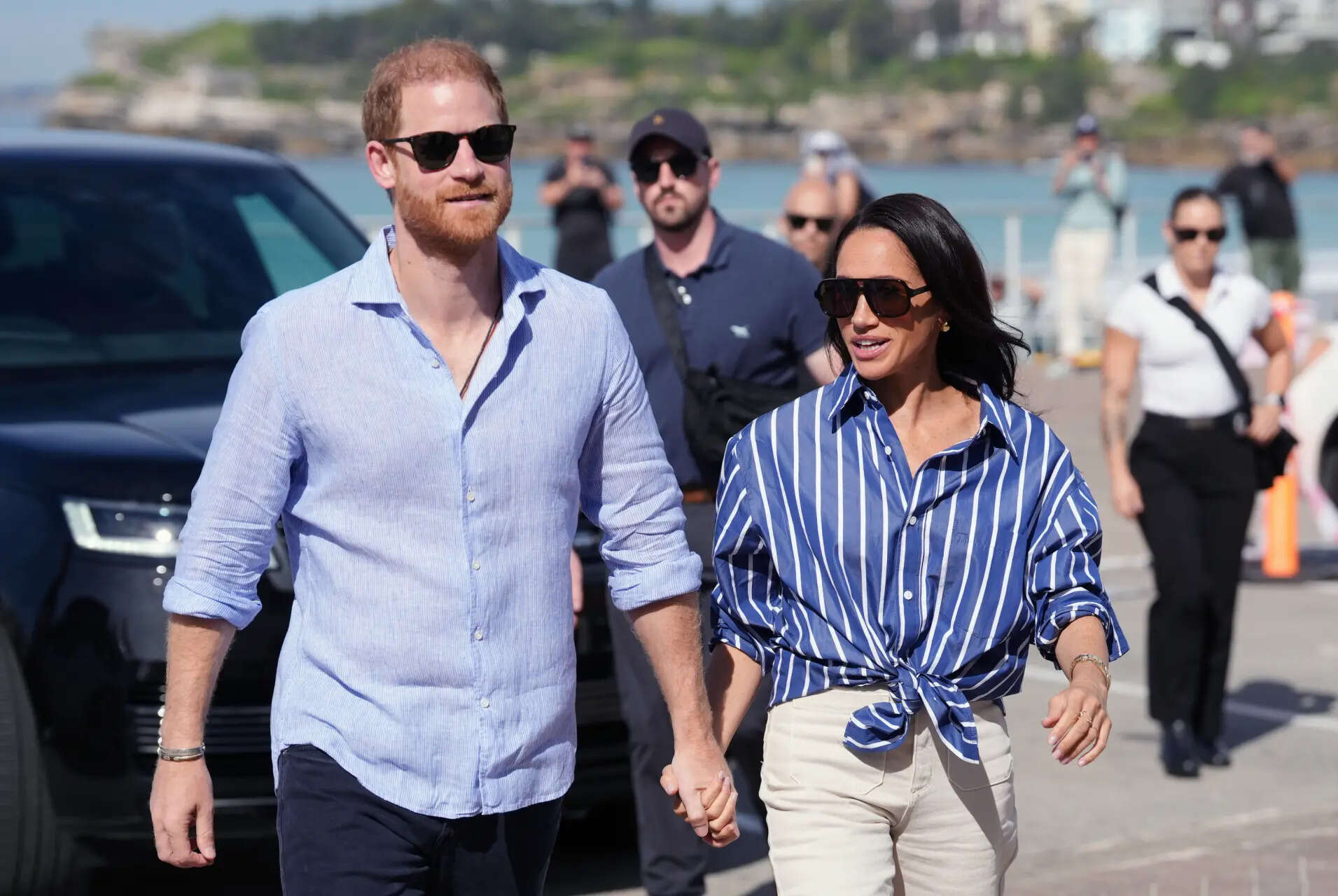
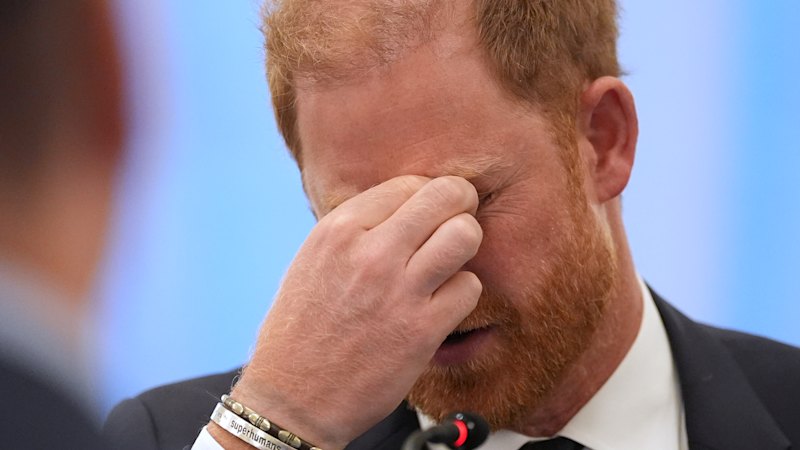
The grease on the iron griddle sizzles, spitting tiny dots of fat onto the stainless-steel counter. Inside a crowded café in North London, the morning news flickers from a corner screen, the muted anchor’s mouth moving in swift, practiced loops. Beneath the chink of ceramic mugs and the low murmur of commuters waiting out the drizzle, a headline flashes across the lower third: Split opinion on the Sussex return.
A man two barstools down drops his fork against his plate with a sharp clatter.
He shakes his head, muttering into his lukewarm tea. For him, the issue isn't complicated. Duty is a sacred contract. You sign it with your birth, you honor it until the grave, and you certainly do not trade royal patronage for a sun-drenched estate thousands of miles away.
Yet, across the city in a shared workspace in Shoreditch, a completely different reaction unfolds. Consider Maya, a twenty-four-year-old graphic designer who watches the same headlines scroll past on her phone. To her, the uproar feels ancient, a relic of an era where personal happiness was expected to bow before institutional convenience. When she pictures Prince Harry and Meghan Markle, she does not see traitors to the flag. She sees two people who looked at a golden cage and decided the air outside was worth the cost.
This is the quiet fault line running through modern Britain.
It is not merely a debate about two famous faces or the architectural layout of Frogmore Cottage. It is a collision of values, a national argument over what it means to belong to a country caught between the gravity of its history and the velocity of its future.
Public opinion polls rarely capture the emotional weight of this division. They reduce human complexity to tidy percentages, slicing the population into neat categories of approval and disapproval. But numbers fail to explain why a morning tabloid can spark a heated argument on a commuter train between strangers who would otherwise avoid eye contact for an entire journey.
To understand why the prospect of a royal homecoming evokes such visceral reactions, we have to look past the gossip columns and examine the cultural architecture of the United Kingdom.
For generations, the monarchy functioned as an emotional anchor for the British public. It offered stability through economic crashes, world wars, and social upheaval. In exchange for that steady presence, the public demanded absolute loyalty. The unwritten social contract dictated that royals must endure scrutiny, sacrifice privacy, and embody the enduring spirit of the nation without complaint.
When Harry and Meghan stepped back from their official roles, they did not just leave a family business. They tore up that contract on live television.
For millions of traditional Britons, particularly older generations who lived through periods of national hardship where resilience and stiff upper lips were cultural currency, that exit felt deeply personal. It registered as a betrayal of a collective sacrifice. If they could walk away from duty when the weight became too heavy, what did that say about the quiet endurance demanded of everyone else?
Consider Arthur, a hypothetical retired postal worker living in a quiet Yorkshire village, whose daily routine has remained unchanged for forty years. For Arthur, the institution of the monarchy represents continuity in a world changing far too fast. When he sees headlines suggesting a potential return, even a temporary one, a knot forms in his stomach. To him, welcoming back those who publicly criticized the firm feels like admitting that tradition is negotiable, that duty is optional.
And yet, the ground beneath Arthur’s feet is shifting.
Shift your gaze to a university campus in Manchester or a creative agency in Bristol, and the sentiment flips entirely. Here, the narrative is framed through the lens of mental health, personal boundaries, and workplace toxicity. Younger Britons, shaped by a vastly different economic and social reality, view the institution through a critical, skeptical eye. They sympathize with the friction between personal well-being and inherited obligation. To this demographic, Meghan’s entry into the royal fold and subsequent exit serves as a cautionary tale about an antiquated system struggling to modernize.
The friction intensifies whenever rumors surface about a possible reconciliation or a partial return to British soil. The media machinery spins into overdrive, manufacturing outrage from minor details. A rented London apartment becomes front-page news. A missed phone call is analyzed like a geopolitical treaty failure.
Why does it matter so much?
Because beneath the frenzy lies a collective identity crisis. Britain is a nation wrestling with its place in the world, its changing demographics, and the erosion of old certainties. When people argue over Harry and Meghan, they are rarely talking solely about the Duke and Duchess of Sussex. They are arguing about themselves. They are debating whether change is a form of renewal or a symptom of decay.
The polarization is not an anomaly. It is the natural temperature of a society transitioning from one era to another.
The rain continues to beat against the café window in North London. The morning rush thins out, leaving behind the steady hum of traffic and the damp smell of wet asphalt. The television screen in the corner cycles to weather reports and local traffic updates, erasing the Sussex headlines from view.
Outside, the gray sky hangs low over the slate roofs. The palace gates remain closed. And the debate lingers on, quiet and unresolved, suspended in the space between what Britain was and what it is trying to become.