Cabin pressure is a strange thing. Most days, you never notice it. You step onto a tube of metal and composite materials, settle into a cramped seat, and let the engines carry you across continents while you scroll through a downloaded movie or stare blankly at the tray table. The air is filtered. The hum is constant. You are suspended thirty-eight thousand feet above the surface of the earth, moving at the speed of a bullet, and yet it feels entirely mundane. Until the oxygen masks drop.
Consider the silence that follows. Not a quiet of peace, but the sharp, heavy stillness of realization.
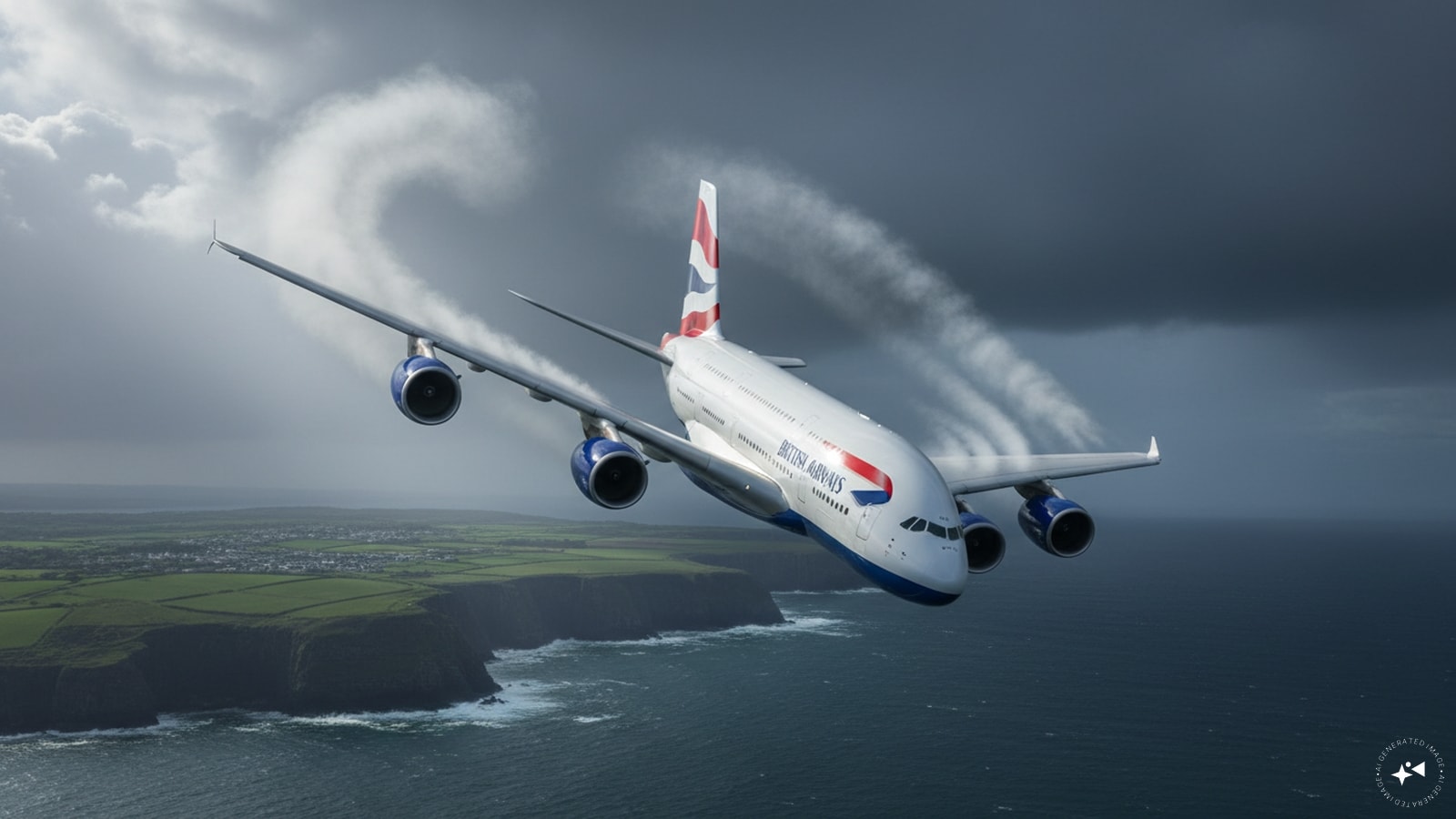
When a flight bound for the United States from London Heathrow suddenly initiates an emergency descent, dropping twenty-eight thousand feet in a matter of minutes, the numbers on a flight tracker do not capture the reality inside the cabin. To a person watching a dot on a screen, it is a vertical line plunging downward. To the people inside, it is an abrupt end to the ordinary. It is the sudden smell of ozone, the screech of structural strain, and the frantic choreography of flight attendants shouting instructions honed by endless drills.
Airplanes are marvels of redundancy. Every critical system has a backup, and every backup has a safeguard. But engineering cannot entirely erase gravity, nor can it eliminate the sheer vulnerability of being miles high in the atmosphere.
When the warning lights flicker and the altitude tape begins its frantic downward spin, pilots do not have the luxury of panic. Muscle memory takes over. Training—hundreds of hours in simulators replicating the absolute worst days of an aviator's life—kicks in before conscious thought can catch up. The primary objective in a rapid depressurization or mechanical emergency is simple in theory, brutal in execution: get down to a breathable atmosphere. Ten thousand feet. Fast.
The descent is not gentle. It is a steep, aggressive dive designed to protect the passengers from hypoxia, ensuring that lungs starved of normal air pressure can function again. Cups rattle. Stomachs drop into throats. Every ear pops in unison. In that vertical drop, the illusion of distance evaporates. The vast ocean or the patchwork fields below suddenly feel very close, and very unforgiving.
Passengers react in fractured ways. Some grip the armrests until their knuckles turn white, eyes locked onto the safety card in the seatback pocket as if it holds ancient runes of protection. Others whisper quick reassurances to terrified children or pull out phones to type rushed, chaotic messages to people on the ground—digital postcards sent into the ether just in case the signal goes dead before the landing gear touches pavement.
Then there is the crew. They are professionals wearing masks of absolute calm while their own hearts hammer against their ribs. They manage the panic not by pretending everything is fine, but by moving with a mechanical, reassuring precision. They check the latches. They secure the aisles. They embody control when control feels entirely out of reach.
When the aircraft finally levels off, the air thickens with a strange, collective exhale. The roaring whistle of the dive fades back into the steady, familiar drone of the remaining engines. The pilots communicate with air traffic control, their voices steady, trading adrenaline for logistics. They are heading back to where they started. London Heathrow.
Turning around halfway across the Atlantic is a logistical defeat for the airline, a massive disruption of schedules, missed connections, and misplaced baggage. But it is also a victory of the oldest kind. The machine broke, but the people survived.
As the wheels touch down on the tarmac and emergency vehicles line the runway with flashing red and blue lights painting the gray concrete, the tension finally breaks. Passengers clap—a strange, nervous ritual born of pure relief. They unbuckle their seatbelts, grab their carry-on bags, and re-enter the terminal.
Outside, the world continues spinning as if nothing happened. Inside, everyone walking through those sliding glass doors knows a fundamental truth that the rest of the terminal crowd remains blissfully unaware of. The sky is vast and beautiful, but it owes us nothing. We cross it only on the grace of cold metal, steady hands, and the quiet, desperate hope that we will always find our way back down.