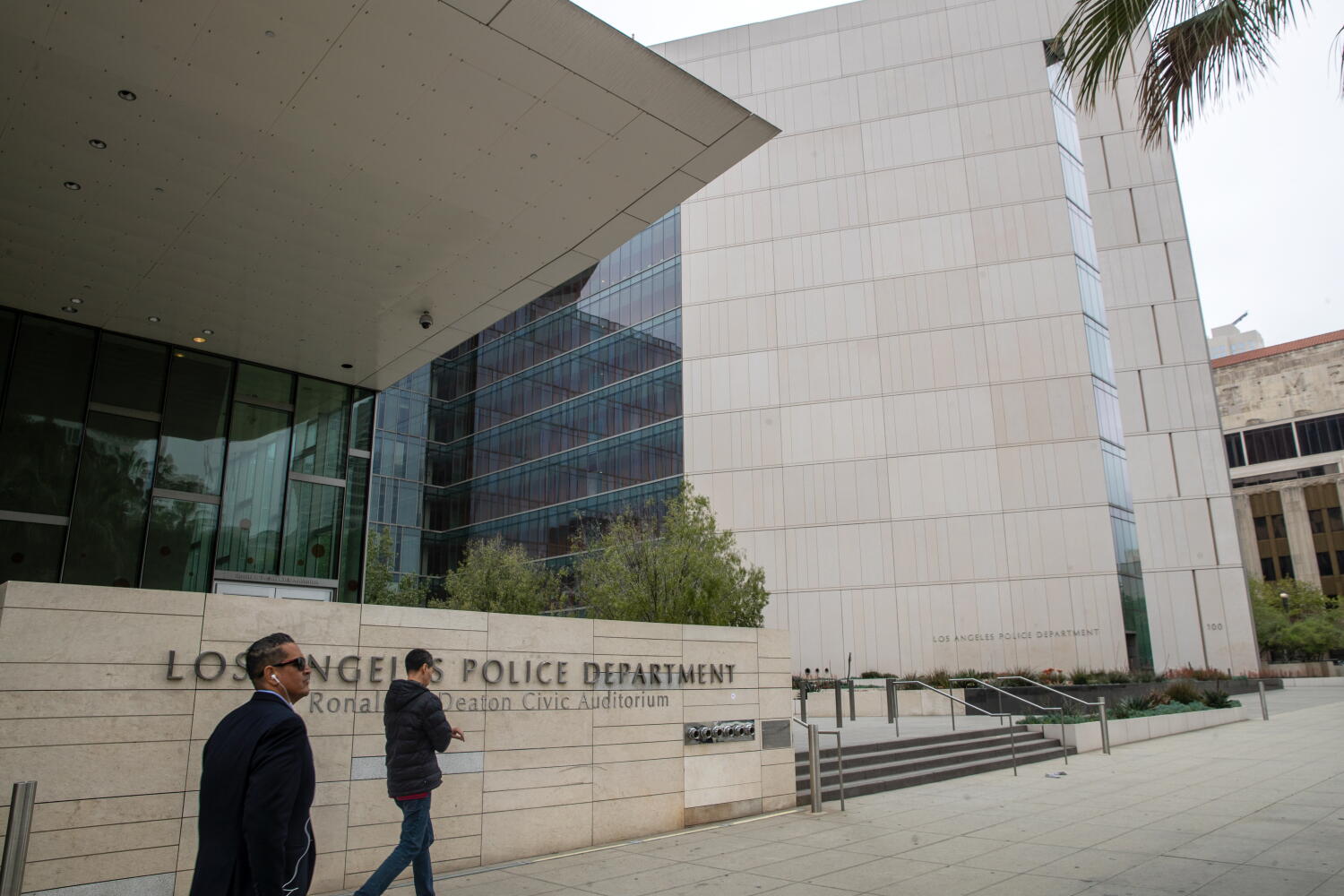
Surveillance technology moves fast, but public pushback moves faster. When the Los Angeles City Council voted to intervene in a high-profile automated license plate reader pilot program, it exposed a deep, unresolved friction between municipal policing ambitions and community privacy rights.
The core issue isn't just about cameras on street poles. It is about trust, data governance, and whether modern surveillance tools outpace the guardrails meant to keep them in check.
The Anatomy of the Stalled Pilot
The controversy centers on a proposed deployment involving technology from Axon Enterprise, which would see automated license plate readers mounted directly onto city streetlights. Proponents within law enforcement argue these systems act as force multipliers, helping detectives track stolen vehicles, locate missing persons, and solve violent crimes with unprecedented speed.
Yet, the Los Angeles City Council pumped the brakes, voting to assert jurisdiction over the Board of Police Commissioners' prior approval. Lawmakers and privacy advocates raised alarms over how long data is retained, who can access it, and whether these systems creep into everyday tracking of ordinary citizens who have done nothing wrong. Past internal audits showing instances where vehicles were incorrectly flagged only poured fuel on the fire, reminding critics that automated tools are prone to human and technical errors.
Why This Fight Matters Beyond Los Angeles
What happens in Southern California rarely stays in Southern California. Municipalities nationwide are grappling with similar contracts, weighing high-tech safety pitches against the creeping reality of ubiquitous public monitoring.
When police departments adopt automated plate readers without ironclad, legally binding policy restrictions written into the text from day one, public backlash is inevitable. People want safe neighborhoods, but they also want to know their daily commutes aren't being cataloged in perpetuity without independent oversight.
The standoff in Los Angeles proves that city councils are starting to reclaim their oversight authority. Tech vendors and police brass can no longer expect automatic rubber stamps for mass data collection initiatives.
For drivers and residents, this means the debate over digital surveillance is entering a new phase. Expect more legislative showdowns, stricter data retention caps, and mandatory independent audits before any new camera poles go up.
This video provides context on how internal oversight issues and auditing failures regarding automated license plate readers are sparking similar pushback and demands for transparency in other major cities.