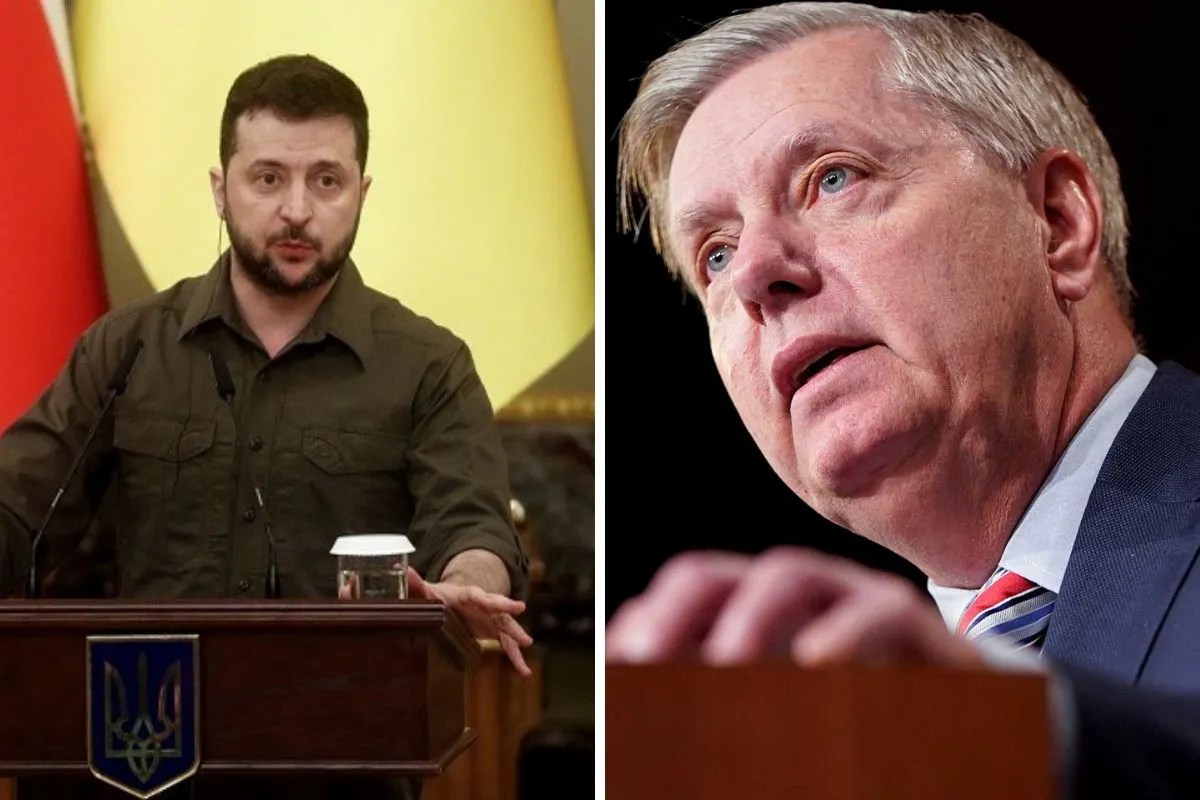
Volodymyr Zelenskyy does not hide his emotions when Ukraine loses a powerful backer in Washington. The recent passing of US Senator Lindsey Graham hit Kyiv hard. Zelenskyy noted that the two had met twice just the previous week, underscoring how tightly connected Graham was to the ongoing diplomatic and military strategy of Ukraine. It is a massive blow.
Losing a fierce advocate in the US Senate changes things overnight. For years, Graham stood out as one of the most vocal Republican voices demanding aggressive military support for Ukraine. His sudden absence leaves a gaping hole in the bipartisan coalition that Kyiv spent years building.
Why Lindsey Graham Mattered So Much to Kyiv
Foreign policy in Washington is messy. It depends on relationships, backdoor deals, and persistent pressure. Graham mastered this environment. He knew how to pull levers in Congress to keep weapons flowing. Zelenskyy recognized this early on.
Kyiv did not just lose an American politician. They lost an insider who could sway skeptical Republicans. When aid packages stalled, Graham traveled to Ukraine. He stood next to Ukrainian officials and made the case directly to American voters. He argued that supporting Ukraine was a direct investment in American security.
Many critics questioned his hawkish stance. He did not care. He focused heavily on securing artillery, air defense systems, and long-term financial commitments. Zelenskyy pointed out that their frequent meetings were not just photo opportunities. They were working sessions designed to map out legislative strategies in Washington.
The Reality of Bipartisan Aid in Washington
Securing US aid requires survival in a divided Congress. Ukraine understands that relying on one political party is a dangerous game. They need friends on both sides of the aisle. Graham served as a vital bridge to the Republican party, especially during times when conservative skepticism about foreign spending reached an all-time high.
Think about the numbers. Billions of dollars in military assistance packages require complex legislative maneuvering. You need senators who can whip votes, convince holdouts, and attach funding to must-pass defense bills. Graham used his seniority and his position on powerful committees to do exactly that.
Without that kind of aggressive leadership, aid packages face slower timelines. Delays on the Senate floor mean delays on the battlefield. That is the harsh reality Kyiv confronts right now. The bureaucratic machinery in Washington does not move fast on its own. It requires constant pushing from influential lawmakers who view the conflict as a top priority.
How Ukraine Navigates the Loss of Key American Allies
Kyiv must adapt quickly. Relying on a small circle of champion lawmakers is risky. When one of those champions steps off the stage, the strategy has to shift immediately.
The immediate task for Ukrainian diplomats involves identifying new Republican allies who can assume Graham's mantle. This is easier said than done. It takes years to build the level of trust and political capital that Graham possessed. New lawmakers might support the cause, but they often lack the institutional weight to force votes or alter spending bills.
We see a clear pattern in how Ukraine manages these diplomatic crises. They will likely increase their outreach to governors, defense industry leaders, and local business councils across the United States. The goal is simple. They want to show that American defense manufacturing benefits directly from Ukraine aid. If you can make the argument about local American jobs, you win over skeptical lawmakers who care about their home districts.
What Happens Next for US Military Assistance
The legislative calendar waits for no one. Upcoming defense appropriations bills will test the strength of the remaining pro-Ukraine coalition in the Senate.
Observers expect a period of recalibration. Other veteran senators will need to step up to lead the charge during floor debates. The strategy will focus heavily on maintaining the current baseline of ammunition shipments and intelligence sharing. Any expansion of aid programs will face intense scrutiny without a senior figure like Graham driving the conversation.
Kyiv understands the stakes. They know that emotional appeals only go so far in American politics. The focus will remain on demonstrating clear battlefield results and maintaining strict oversight of how funds are used. Transparency satisfies lawmakers who want to ensure American tax dollars are spent effectively.
The next few months will reveal whether the institutional framework supporting Ukraine can hold steady without its most energetic legislative champion. Ukraine will keep pushing, building new alliances, and making its case to whoever sits in the halls of Congress.