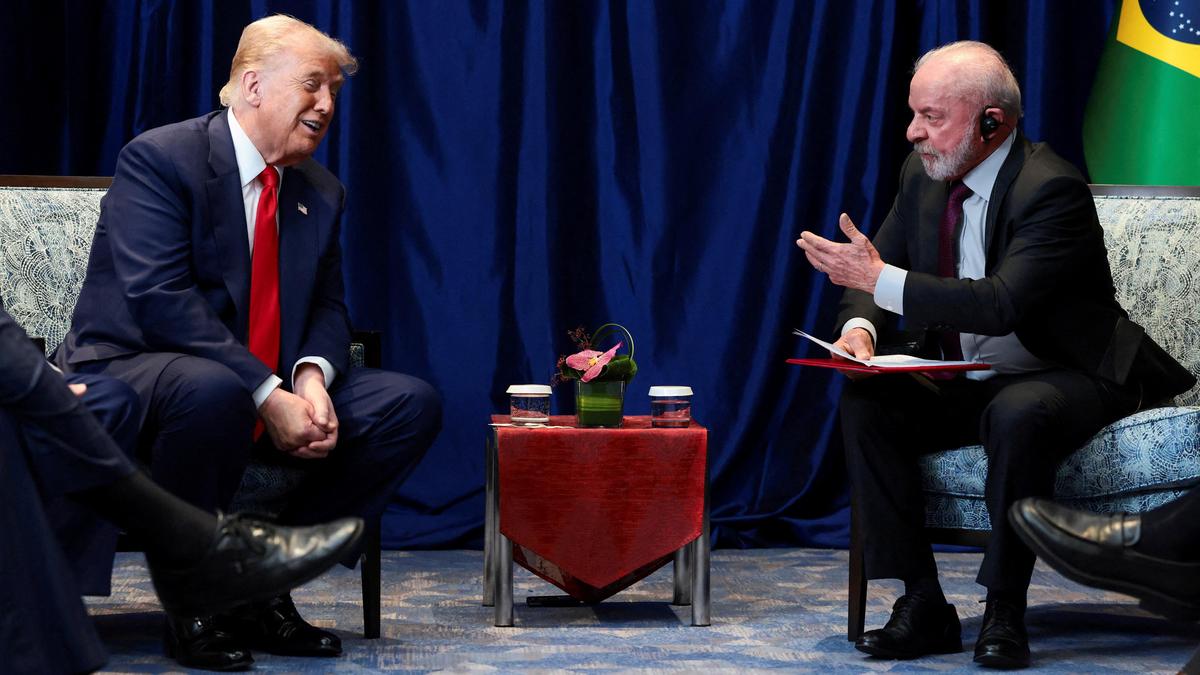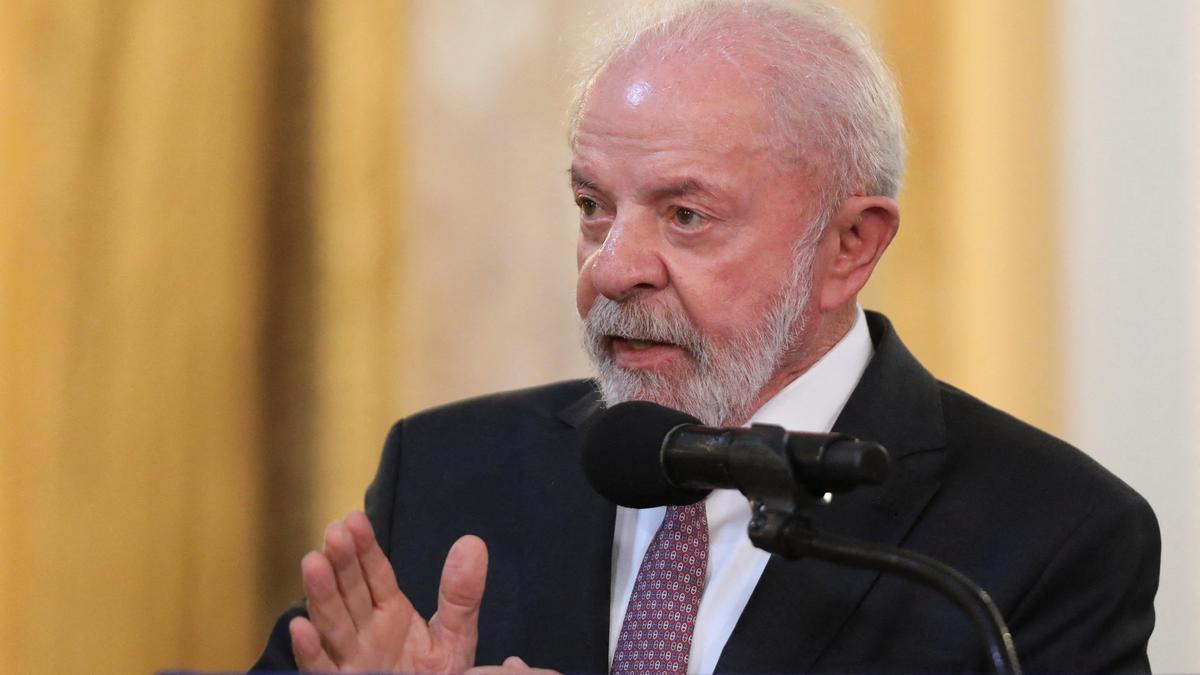
The sheer scale of the Brazilian delegation landing in New Delhi is not a diplomatic courtesy. It is an industrial land grab. President Luiz Inácio Lula da Silva is arriving in India with 260 business leaders in tow, representing the largest trade mission in the history of Brazil-India relations. While the official cameras will focus on handshakes and speeches about "South-South cooperation," the real story lies in the desperate search for markets that do not depend on the whims of Washington or the cooling economy of Beijing. Brazil is betting its economic future on the idea that the Global South can finally function as its own self-sustaining engine.
This is not a casual visit. It is a strategic pivot. Brazil needs India to balance its heavy reliance on China, and India needs Brazilian resources to fuel its massive urbanization. The 260 firms ranging from aerospace giant Embraer to meat-processing titan JBS are looking for a foothold in the world’s most populous nation. They are chasing a middle class that is expanding by tens of millions every year. But beneath the optimism, a complex web of protectionist tariffs and logistical nightmares threatens to stall this ambitious partnership before it truly starts.
The Mercosur Bottleneck and the Quest for Real Trade
For decades, the trade relationship between Brazil and India has been more about potential than performance. The current Fixed Preference Agreement (FPA) between India and Mercosur—the South American trade bloc led by Brazil—is remarkably thin. It covers roughly 450 products. To put that in perspective, modern trade deals between major economies usually cover thousands. Lula’s primary objective is to expand this list to 2,000 or even 3,000 items.
Brazilian exporters are suffocating under India’s high import duties. Whether it is ethanol, poultry, or orange juice, the barriers are high. India uses these tariffs to protect its own massive agrarian workforce. Lula knows that he cannot ask India to drop its guard without offering something significant in return. That "something" is energy and food security. Brazil is one of the few nations capable of meeting India’s massive demand for soy oil and pulses while simultaneously providing the technology for India’s ambitious ethanol-blending program.
Ethanol as the New Diplomatic Currency
The most interesting play in this mission is not about raw materials, but about intellectual property. Brazil has spent fifty years perfecting the use of ethanol in its transport sector. India is currently looking to increase its ethanol blend in gasoline to 20 percent by 2025. This creates a massive opening for Brazilian firms specializing in engine technology, distillation, and agricultural machinery.
By exporting the "Brazilian model" of biofuels, Lula is attempting to create a technical dependency. If India adopts Brazilian standards for flex-fuel engines, it guarantees a market for Brazilian parts and expertise for decades. It is a brilliant move that moves the relationship away from simple commodity trading toward a high-tech partnership. However, the Indian sugar lobby is powerful. They want the ethanol to be produced locally from Indian cane, not imported from the Port of Santos. The negotiation is a delicate dance between sharing technology and protecting local farmers.
Defense and Aerospace the Secret Pillar
While much of the media focuses on agriculture, the defense sector is where the most aggressive moves are happening. Embraer, Brazil’s crown jewel in aerospace, is making a hard play for the Indian Air Force and regional airlines. India’s aviation market is growing faster than almost any other in the world. They need medium-sized transport aircraft and regional jets that can operate out of smaller, less-developed airports.
Embraer is offering more than just planes; they are offering co-production. This aligns perfectly with Prime Minister Narendra Modi’s "Make in India" initiative. By promising to build parts of these aircraft on Indian soil, Brazil is jumping ahead of European and American competitors who are often more hesitant to share sensitive technology. This is the "veteran journalist" takeaway: Brazil is willing to trade its industrial secrets for market access, a gamble that shows just how much they value this alliance.
The BRICS Shadow and Global Governance Reform
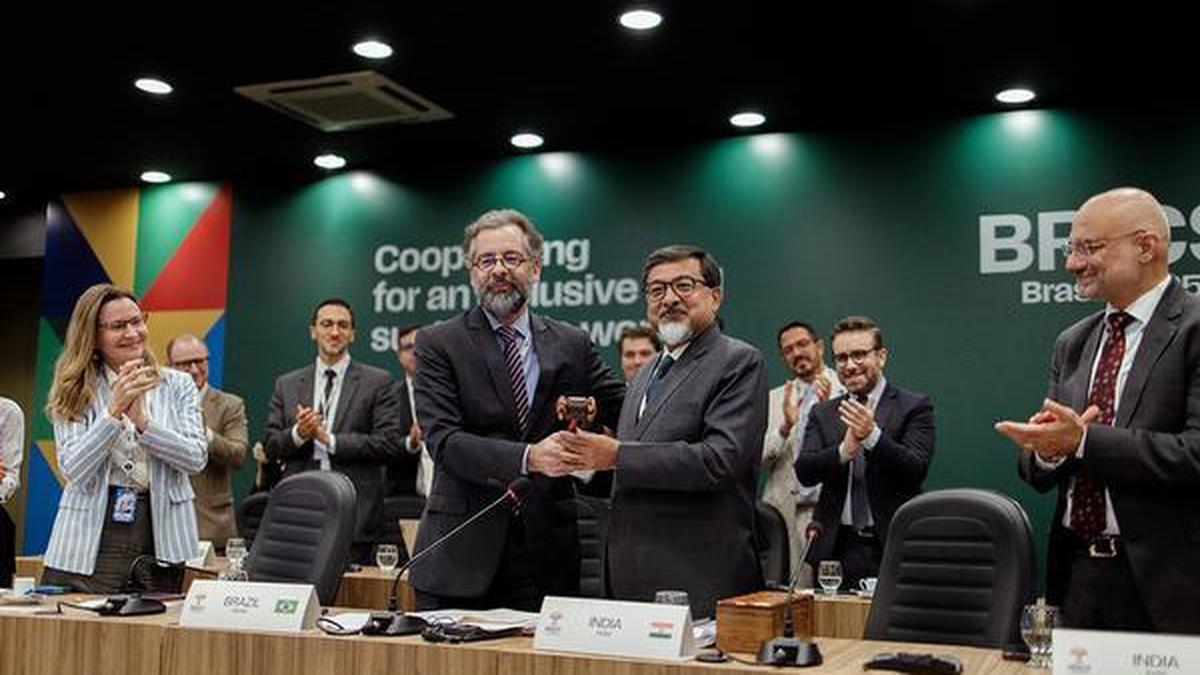
Lula is not just in Delhi to sell chicken and planes. He is there to reshape the world order. Both India and Brazil feel like they are sitting in the "waiting room" of global power. They both want permanent seats on the UN Security Council. They both want a bigger say in how the IMF and World Bank are run. By arriving with 260 companies, Lula is signaling that Brazil is a heavyweight that brings its own economic ecosystem to the table.
There is a tension here, though. India is increasingly wary of China’s dominance within the BRICS bloc. Brazil, while friendly with Beijing, is also looking for ways to avoid becoming a "tributary state" that only exports iron ore and soy to China. This shared anxiety about China is the unspoken glue holding the Brazil-India relationship together. They are two giants trying to build a third way.
The Problem of Physical Distance
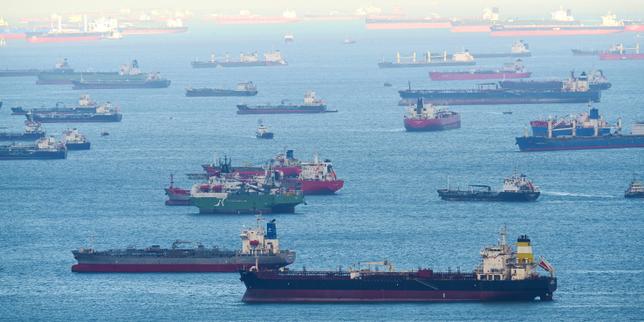
You cannot ignore the map. Shipping a container from São Paulo to Mumbai takes twice as long as shipping one from Dubai or Singapore. The logistical costs are a silent tax on every transaction. Until there is a more efficient maritime corridor or a significant breakthrough in South Atlantic-Indian Ocean shipping routes, many of these 260 firms will find it hard to compete on price.
Breaking the Meat and Grain Deadlock
The agricultural talks will be the most contentious. Brazil is the world's largest exporter of beef, but India is a country where cow slaughter is a deeply sensitive religious and political issue. Brazilian firms are pivoting by focusing on poultry and processed foods, but even there, they face a wall of regulations designed to keep foreign food out.
The real opportunity lies in "food processing" rather than "food exporting." If Brazilian companies like JBS or BRF invest in factories within India, they can bypass the tariffs and the political backlash. But that requires a level of capital commitment that many Brazilian firms, currently facing high interest rates at home, might find difficult to stomach.
Reforming the Financial Architecture
Lula has been vocal about reducing the world’s dependence on the US dollar. In Delhi, expect quiet conversations about settling trade in Rupees and Reais. This is not just a political stunt; it is a practical necessity. When the dollar fluctuates, it wreaks havoc on the trade balance of developing nations. If Brazil and India can create a direct currency settlement system, it would insulate them from the volatility of Western financial markets.
But talk is cheap. Building a clearinghouse for local currencies is a massive technical undertaking that requires the cooperation of central banks that are often more conservative than the politicians who lead them. The 260 firms on this trip are watching this closely. A direct payment system would be a massive competitive advantage, cutting out the middleman fees that currently eat into their margins.
Why This Trip Matters More Than the Last Ten
The global economy is fragmenting. We are moving away from a single global market toward a world of regional blocs and "friend-shoring." In this new environment, the old alliances are not enough. Brazil’s 260 companies are not just looking for customers; they are looking for insurance. They are betting that if the Western markets close or if China’s growth stalls, the India-Brazil corridor will be their lifeline.
The success of this mission will not be measured by the number of Memorandums of Understanding signed this week. Those are often just paper. The real metric will be the number of joint ventures that actually break ground in the next eighteen months. If Embraer starts building wings in Bangalore and Indian tech firms start setting up hubs in Florianópolis, then Lula’s gamble will have paid off.
Brazil is tired of being the "country of the future." It wants to be the power of the present. To do that, it must prove it can lead an industrial charge across the Global South, turning political rhetoric into cold, hard trade stats. The 260 firms in Delhi are the shock troops of that ambition.
Identify the specific Brazilian companies that land the first major joint ventures in the Indian defense and energy sectors, as these will be the bellwethers for whether this massive trade mission actually translates into long-term industrial integration or remains a high-profile photo opportunity.