Tax cuts sound great on paper until the local government announces they can't afford a holiday parade anymore. That is the exact reality hitting communities across the Sunshine State right now.
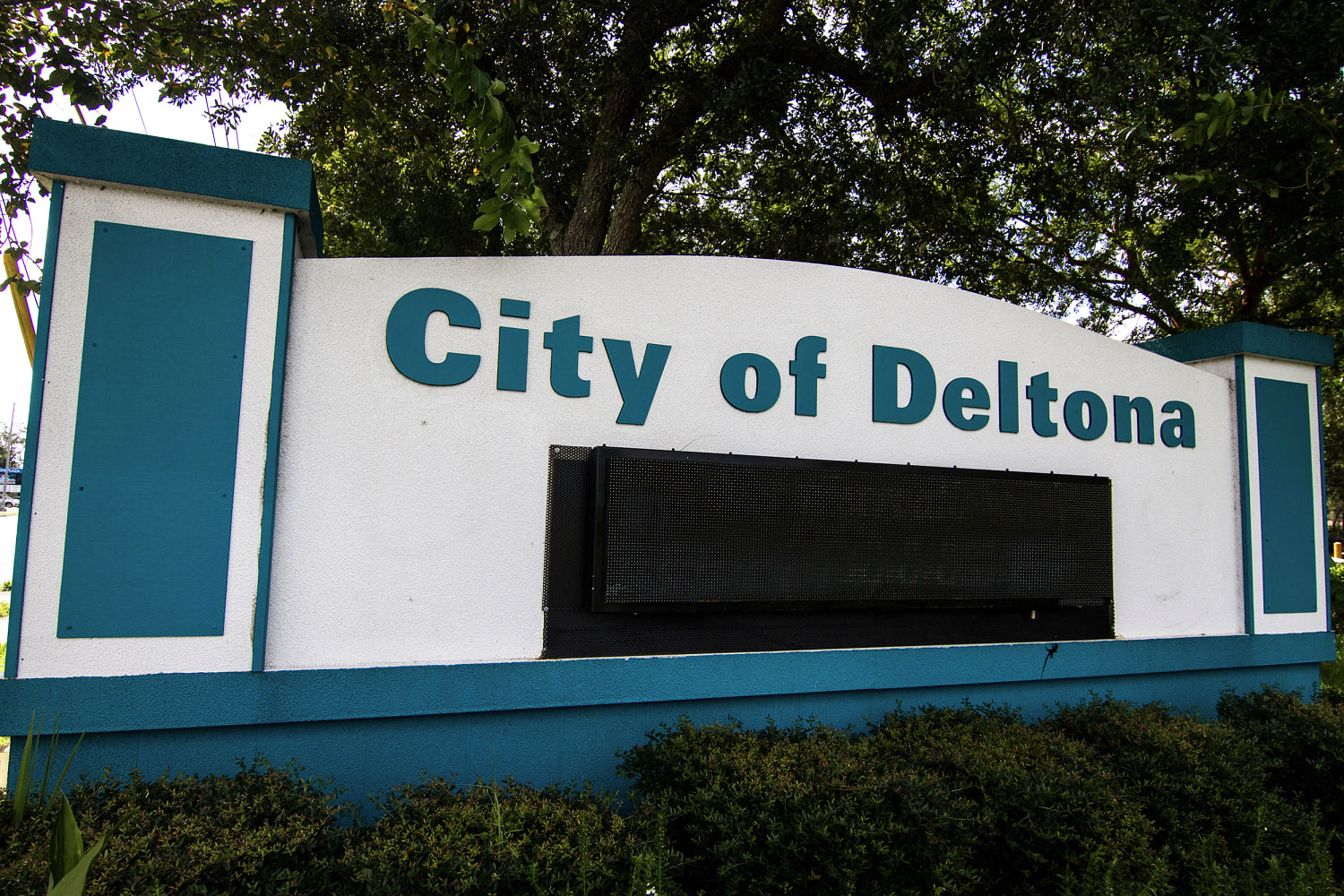
When voters overwhelmingly approved Amendment 3, many thought they were simply securing a nice break on their property taxes. They didn't expect the sudden shockwaves hitting municipal budgets. The city of Deltona recently made headlines by announcing the total cancellation of its annual Christmas parade and other major community events. Officials pointed straight at the new tax measure as the culprit for the massive upcoming revenue shortfall. If you found value in this piece, you might want to check out: this related article.
Municipalities rely heavily on property tax dollars to keep basic operations afloat. When you slash those streams overnight, cities have to scramble. Deltona faces losing millions in revenue over the next few years, forcing a brutal round of financial triage.
The Real Cost of Amendment 3
Let's look at what the amendment actually does. Passed by roughly 62 percent of voters, the constitutional change expands homestead property tax exemptions significantly. It also drops the annual assessment increase limit for non-homestead properties from 10 percent down to 5 percent for non-school taxes. For another perspective on this development, see the recent update from Al Jazeera.
It sounds like a win for property owners trying to cope with rising living costs. But local governments function on predictable revenue streams. Deltona has a distinct economic disadvantage because of its historic reliance on lower property values paired with minimal commercial development. Without businesses picking up a larger share of the commercial tax burden, residential tax cuts punch a massive hole in the city ledger.
City Manager Doc Dougherty didn't mince words when outlining the crisis. The initial response was severe: cancel the Christmas parade, scrap upcoming public events, and freeze vehicle purchases and construction contracts. Only self-supporting events like specific local 5K races managed to survive the budget axe. Essential services took absolute priority, leaving festive community traditions completely out in the cold.
A Sudden Twist for the Holidays
The story didn't end with a completely cancelled holiday, though. Public backlash and quick coordination changed the trajectory almost as fast as the initial announcement dropped.
Local community organizations stepped up to offer financial and logistical backing. City officials reversed course after securing private support, confirming that the parade would roll on as planned for mid-December.
Dodging a bullet for one holiday season doesn't mean the underlying math changed. Local leaders warn that every department remains under scrutiny. The structural deficit brought on by the tax amendment is still very real. Cities across Florida are staring down similar tough choices as they balance reduced incoming revenue against the soaring costs of public infrastructure and safety.
What This Means Moving Forward
If you live in Florida, expect to see more local services trimmed or shifted to private sponsorships. When state-level tax policies reduce local funding capabilities, municipal governments have very few knobs to turn. They can raise other fees, cut public programming, or lean heavily on external partnerships.
The friction between broad tax relief and localized government funding highlights a classic policy dilemma. Everyone wants lower taxes, but nobody wants to lose the community events and public services that make a town feel like home. Watch your local municipal budget meetings closely over the next year because the ripple effects of Amendment 3 are only just beginning.