You don't just hear a fireworks factory explosion in Malta. You feel it in your teeth.
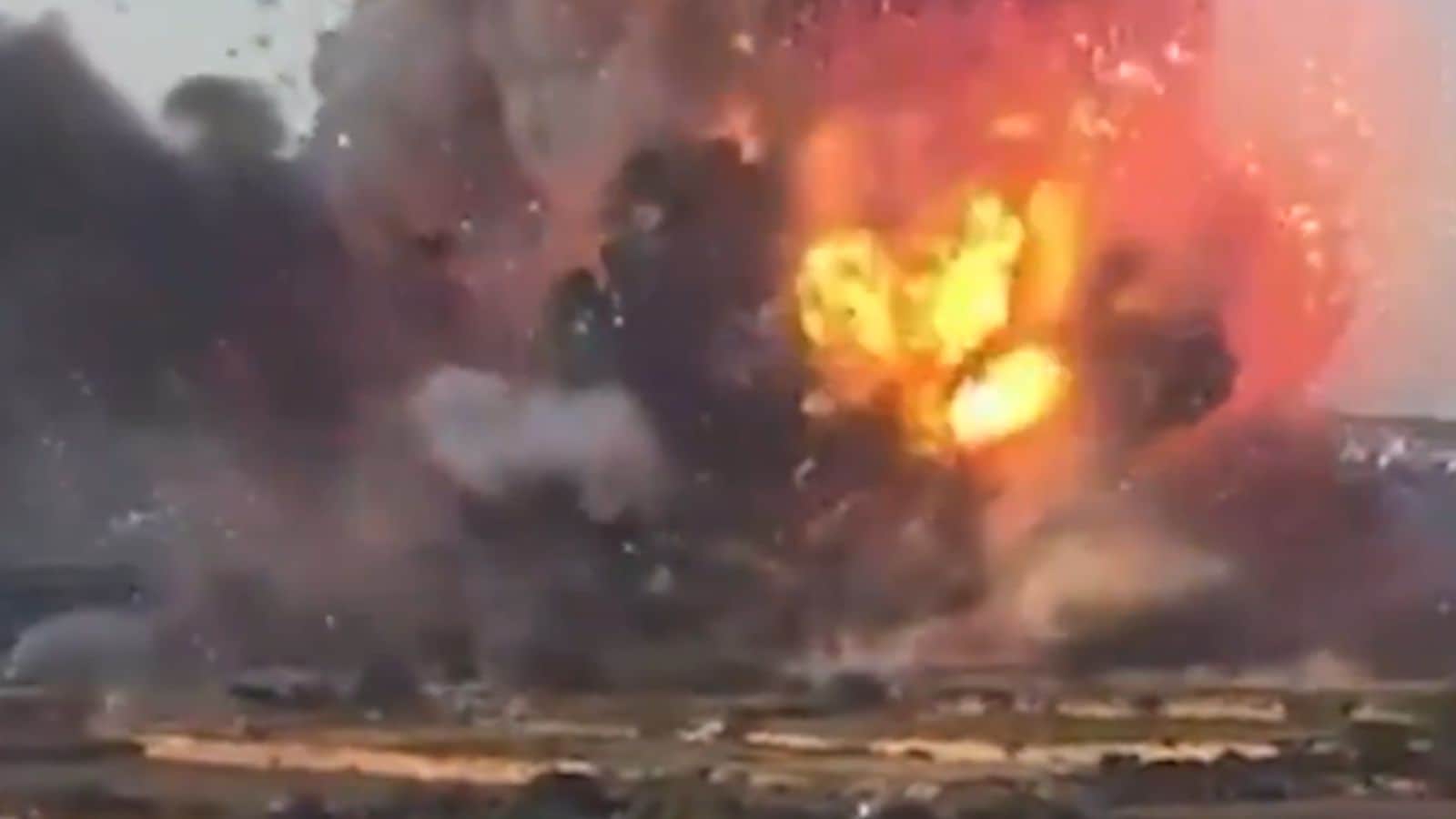
At 6:30 am on Monday, June 1, 2026, a massive detonation tore through the Ta' Lourdes fireworks factory in the Magħtab area, near Salina. The initial blast sent a mushroom cloud of smoke 1,000 feet into the morning sky and generated a shockwave that rattled doors and shattered windows kilometers away. It felt, as one local resident put it, like a truck-sized hammer striking the side of his house.
Two men, aged 47 and 67, were hospitalized at Mater Dei Hospital. They weren't pyrotechnicians. They were working in nearby fields when the sky ripped open, suffering from minor injuries and severe shock. The local police confirmed that no licensed factory workers were inside the facility when the fire chamber blew, preventing what could have been a multi-fatality tragedy.
But looking at this as a minor incident with two slight injuries misses the bigger point. Malta has an ongoing, deeply rooted problem with explosive manufacturing, and the real damage stretches far beyond the factory walls.
The Collateral Damage We Don't Talk About
Most international news reports focus on human casualties. If nobody dies, the story disappears from the headlines in 24 hours. This ignores the immediate economic and environmental devastation that local communities face every time one of these complexes goes up.
The Magħtab blast didn't just break glass in residential homes. It devastated nearby agricultural infrastructure. Debris and heavy stones rained down across a wide radius, smashing vehicles and tearing through local livestock farms.
According to the MaYA Foundation and the Animal Welfare Directorate, the explosion caused severe structural damage to surrounding agricultural sheds. Birds, rabbits, and dairy cows perished in the aftermath. For Malta's small farming community, these animals aren't data points on a spreadsheet. They represent years of selective breeding, daily labor, and a family's entire livelihood.
When a factory explodes, the surrounding area becomes a tactical exclusion zone. First responders from the Civil Protection Department, the Armed Forces of Malta, and medical teams have to cordon off roads due to the constant threat of secondary unexploded ordnance. Hours after the initial 6:30 am blast, smaller secondary detonations continued to trigger, keeping farmers from entering their lands to rescue surviving livestock or assess the structural integrity of their property.
Cult vs. Compliance inside the Fire Chamber
Pyrotechnics are not just a hobby in Malta. They are a cultural obsession. The factory involved in this incident was used by the Għaqda tan-Nar Marija Bambina pyrotechnicians based in Naxxar.
Every summer, towns across the Maltese islands compete to host the most extravagant feast (festa) honoring their patron saint. These events require tons of highly volatile, custom-made explosives. The people who manufacture these shells are often volunteers driven by immense local pride rather than corporate safety standards.
This cultural pressure creates a unique regulatory nightmare. While the Maltese government has tightened storage laws and manufacturing protocols over the years, the inherent chemistry of traditional Maltese fireworks remains dangerous. Many clubs still rely on sensitive chemical mixtures that react poorly to unexpected spikes in humidity or ambient temperature.
The Ta' Lourdes facility itself is no stranger to incident, sitting in an area that has seen similar scares in the past. When an explosion occurs, the reaction from political figures follows a predictable script. Prime Minister Robert Abela and European Parliament President Roberta Metsola quickly issued statements of solidarity, praising the emergency workers. The nationalist opposition leader Alex Borg noted the blast had "shocked the country."
But shock implies surprise. Nobody in Malta is genuinely surprised when a fireworks factory explodes. It is the accepted tax on a national tradition.
What Needs to Happen Now
If Malta wants to preserve its cultural heritage without blowing up its countryside, the strategy needs to shift from reactive emergency response to strict technological modernization.
First, the licensing framework must mandate automated climate-control systems for storage units holding chemical precursors. Volunteer enthusiasm cannot override thermodynamic reality. If a facility cannot afford active cooling and monitoring systems, it shouldn't hold a permit to store explosive materials.
Second, the buffer zones around these complexes need a radical rethink. The fact that working farmers and livestock operations are well within the lethal debris field of the Ta' Lourdes factory highlights a systemic zoning failure. Agricultural land shouldn't double as a blast mitigation zone.
If you live or own property near a rural Maltese locality, you need to know your proximity to these hidden complexes. You can check local council zoning maps to verify the locations of active pyrotechnic storehouses in your area. Ensure your property insurance explicitly covers industrial blast damage, as standard policies often contain exclusions for incidents involving illegal or hazardous manufacturing sites. Local civic action groups are also pushing for tougher enforcement on the proximity of these facilities to working farms. Joining these community boards is the most direct way to force local councils to reconsider zoning renewals.