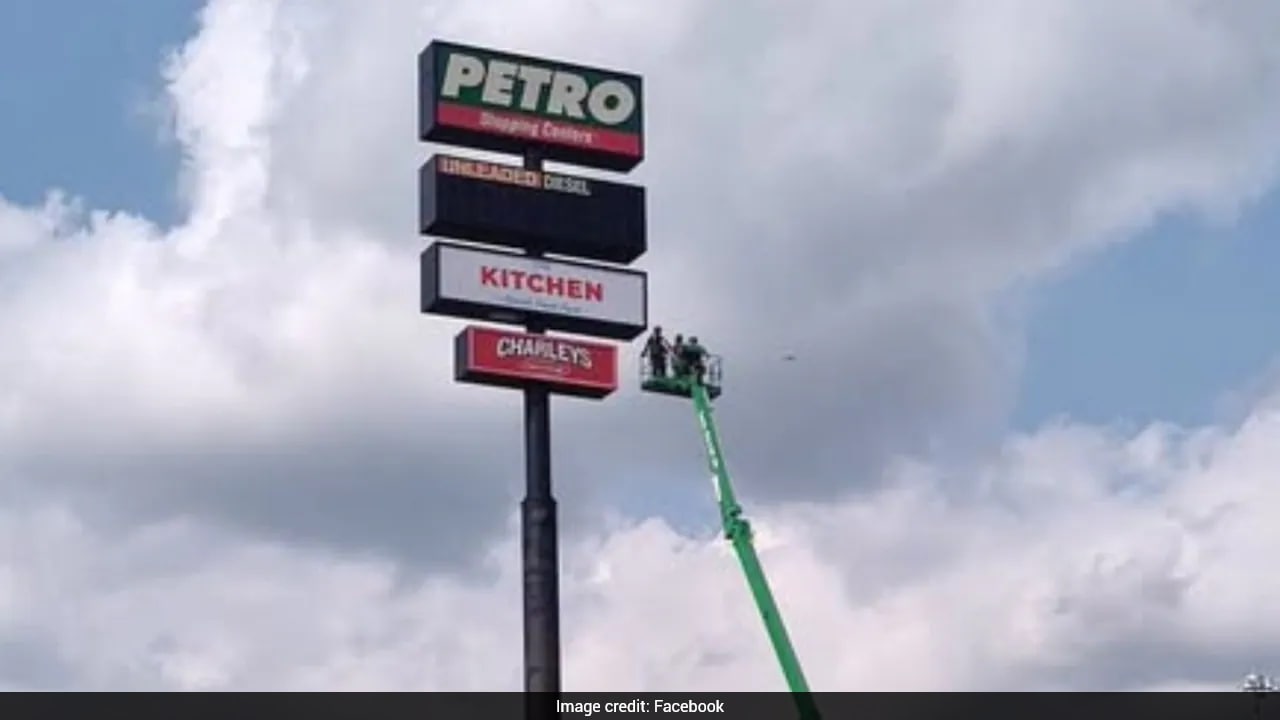
Imagine hanging 130 feet above the ground with your phone in your hand. You realize rescue might not come. What do you say to the people you love?
That is the exact nightmare a worker faced recently when an industrial accident left him stranded at a dizzying height. He pulled out his phone. He recorded a goodbye message for his family. He thought he was going to die.
Most people read these headlines, gasp at the sheer terror of the situation, and scroll away to the next piece of digital noise. They treat it like a movie scene. They forget that real people face lethal workplace hazards every single day. Let us talk about what really happens when an ordinary shift turns into a fight for survival at high altitudes.
The Reality of High Angle Industrial Hazards
Heights are unforgiving. Gravity does not negotiate. When things go wrong on a towering structure, tower, or crane, standard emergency response times can feel like a lifetime.
Industrial workers know the drill. They wear harnesses. They check their rigging. They rely on fall arrest systems designed to save their lives if a slip occurs. But equipment failures happen. Structural collapses happen. Freak accidents happen.
When a man finds himself suspended 130 feet in the air, the physical danger is only half the battle. Suspension trauma is real. If you hang motionless in a full-body harness for too much time, blood pools in your legs. Blood pressure drops. Kidneys fail. Unconsciousness creeps in remarkably fast.
He didn't just have to wait out the clock. He had to fight his own biology while dangling from a thread.
Why People Record Last Messages
There is a psychological compulsion that takes over when death feels imminent. We want closure. We want our loved ones to know they mattered.
Think about the passengers on flights during moments of crisis. Think about people trapped by natural disasters. They grab their devices. They record videos or send text messages. It is an instinctual urge to defy finality.
When this worker recorded his heartfelt message, he was processing the worst-case scenario in real time. It is raw. It is unfiltered. It strips away the trivial garbage we waste our days worrying about and leaves only raw human connection.
Yet, watching from the comfort of a couch, it is easy to view these videos as mere entertainment or viral clickbait. Media outlets package these moments for views. They sensationalize the terror. They miss the structural failures that put workers in danger in the first place.
The Rescue Operation Behind the Headlines
Rescue stories always have a hero element. First responders climb up. They rig ropes. They bring the victim down. Applause follows.
Behind every successful high-angle rescue sits hours of grueling training and specialized equipment. Fire departments and industrial rescue teams do not just wing it. They practice rope systems, mechanical advantages, and vertical extraction techniques repeatedly.
When the call came in about a worker trapped 130 feet up, specialized crews had to mobilize immediately. Every minute counts. Every knot matters. A single miscalculation during the descent could spell disaster for both the victim and the rescuer.
We praise the outcome. We rarely question the systemic safety protocols that allowed the incident to reach that point. Was the equipment inspected properly? Were safety margins adhered to? Equipment failure at that height points to systemic issues that require rigorous investigation, not just a heartwarming news segment.
What We Can Learn From High Altitude Near Misses
We need to shift our focus from the drama of the rescue to the reality of workplace safety. If you manage teams working at heights, complacency is your worst enemy.
- Inspect every harness, anchor point, and lifeline religiously.
- Never assume a safety protocol is too tedious to follow.
- Train your crew for self-rescue and suspension relief, because waiting for outside help takes too long.
- Build a culture where workers can halt operations over safety concerns without fearing retaliation.
That worker made it home. He got to show that video to his family under entirely different circumstances. He lived to tell the tale.
Next time you see a headline about someone snatched from the jaws of tragedy high above the earth, remember the human element beneath the sensationalism. Check your own safety assumptions. Keep your gear maintained. Because gravity doesn't care how good your intentions are.