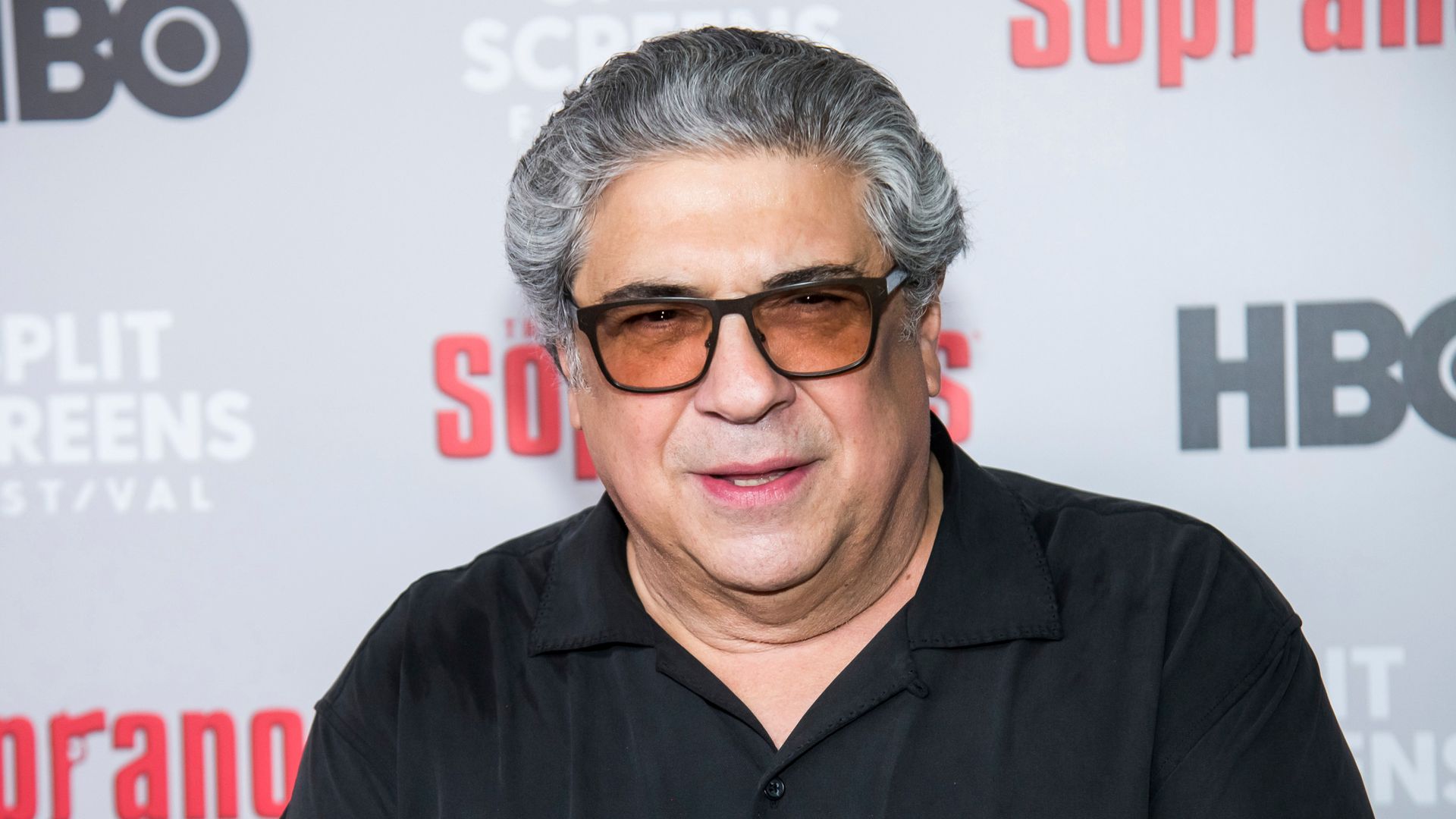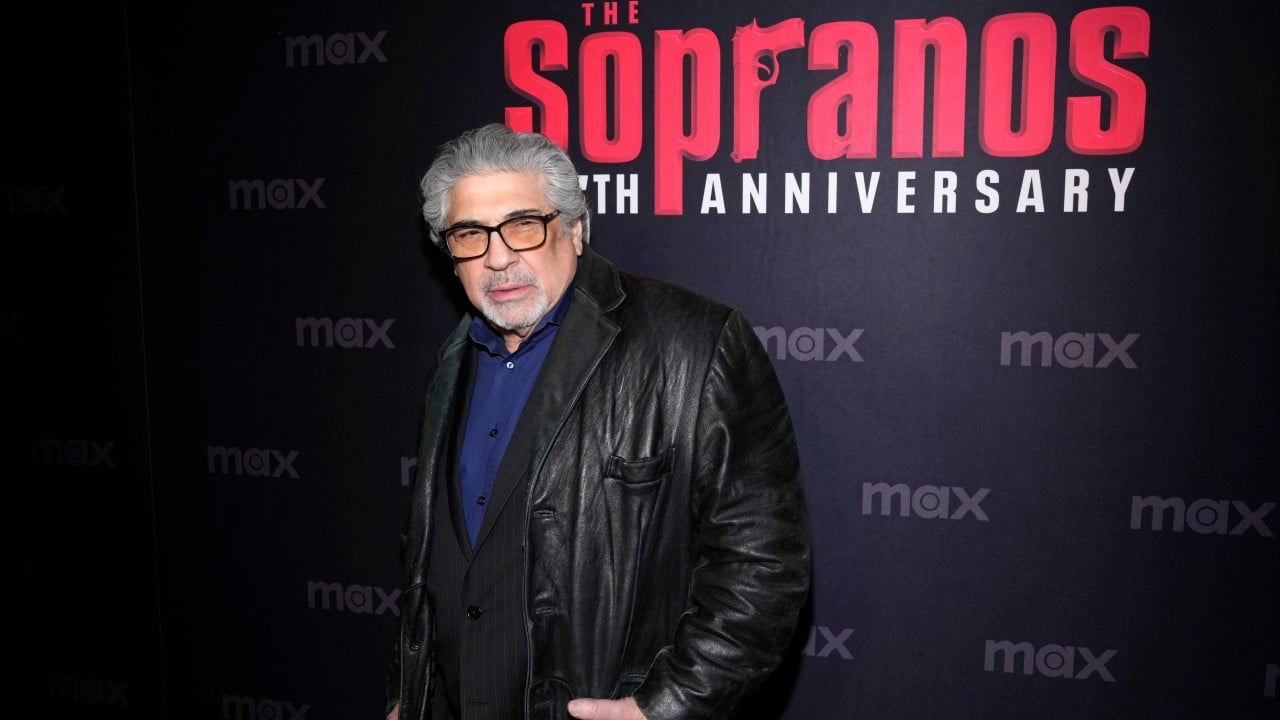
The sea air in New Jersey smells like salt, dead fish, and impending betrayal. If you have ever stood on the deck of a boat looking out at the dark, indifferent expanse of the Atlantic, you know how heavy water can look when it has a secret to keep. On a damp television screen in the year 2000, that same water became the final resting place for Salvatore Big Pussy Bonpensiero. He wore a wire. He got caught. And the men he considered brothers had to put him down.
That execution scene in the Season 2 finale of The Sopranos is television history. But long after the credits rolled and the VCRs stopped spinning, the man behind the pinstripes and the sorrowful eyes remained. Vincent Pastore was never just a mob actor. He was a guy who took forty-two years of living, breathing New York reality and poured it straight into a medium that was starving for authenticity.
Born in the Bronx and raised in New Rochelle, Pastore didn't follow the clean, straight path of a Juilliard graduate. He wore the uniform of the United States Navy during the Vietnam War first. He walked down gritty city blocks long before the cameras found him. For roughly two decades, he ran bars and nightclubs across New York. Think about that for a second. While aspiring actors were practicing monologues in climate-controlled mirror rooms, Pastore was breaking up fights, listening to late-night confessions across sticky mahogany counters, and watching the intricate, unspoken hierarchy of neighborhood characters unfold in real time. He didn't need to study how a tough guy stood or how a cornered man avoided eye contact. He had served drinks to them. He had lived next door to them.
When he finally stepped onto a film set in his early forties—first with a blink-and-you-miss-it appearance, then locking eyes with Scorsese in Goodfellas—he brought the weight of those twenty years behind the bar with him. He was heavy-set, gravel-voiced, and possessed a face that looked like it had survived a few bad winters. Directors didn't need to ask him to act natural. Natural was the only setting he had.
Then came David Chase.
When Pastore auditioned for The Sopranos in 1998, he didn't just read lines; he brought an anthropology of the underworld. He later revealed in interviews that he based his approach on a real-life Jersey figure—a cat burglar nicknamed Pussy because of how quietly he moved, despite his size. Pastore took that trivia and infused Big Pussy Bonpensiero with a tragic, bloated humanity. Pussy wasn't a cartoon villain. He was a guy with a bad back, a mortgage, a deep love for his crew, and a crushing sense of dread. When Pussy looked at Tony Soprano, you could see the terror of a man standing on shifting sand.
Consider what happens when an actor achieves that level of cultural penetration. For the rest of your life, grocery store cashiers look at you sideways. People yell catchphrases across crowded streets. You become permanently fused with a fictional corpse dumped somewhere off the coast of Sandy Hook. Yet Pastore embraced it. He went on to log nearly two hundred film and television credits, popping up everywhere from General Hospital to Broadway stages, playing variations of the tough guy with a heart of gold. Off-screen, his managers and friends noted a man who gave freely to charity and checked in on people—the exact opposite of the cold-blooded operators he portrayed.
News broke quietly from a Bronx residence where the actor was found dead at the age of eighty. Longtime friends discovered him after a few quiet days, marking a peaceful, unglamorous end for a man who spent a lifetime inhabiting loud, violent worlds. There were no flashing sirens or dramatic betrayals in a motel room. Just the quiet passing of time.
The television shows will stream forever. The boat will keep floating on digital loops. But the man who gave that fictional traitor a soul has finally laid the heavy burden down.
The water is calm tonight.