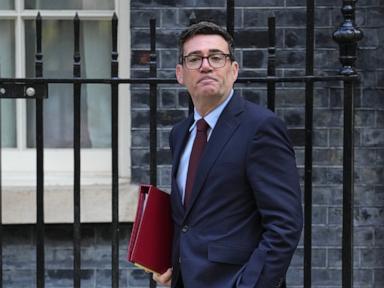
When newly installed British Prime Minister Andy Burnham touched down in Manhattan for the United Nations General Assembly, the diplomatic community braced for impact. The primary question on every strategist's lips was straightforward: How would a former northern mayor, once fiercely critical of the American executive, manage his inaugural face-to-face encounter with Donald Trump? The answer delivered in those closed-door New York suites went far beyond polite diplomatic theater, exposing the raw, transactional mechanics of modern Anglo-American relations.
Decades of diplomatic convention suggest that prime ministers and presidents simply fall into an automatic, comforting rhythm of shared history. That old playbook is entirely dead. Burnham arrived at Turtle Bay not as an inheritor of unquestioned trans-Atlantic warmth, but as a pragmatist navigating an unpredictable political landscape. For months, Westminster insiders worried about past rhetoric. During his tenure as Greater Manchester mayor, Burnham had pulled no punches regarding White House policies. International desks across Whitehall spent weeks crafting defensive briefs, anticipating that the American president might use the meeting to air old grievances or demand immediate alignment on defense spending and trade barriers.
Instead, the encounter yielded an entirely different dynamic. Trump praised the British leader as a natural businessperson, setting aside historical friction in favor of a personal rapport.
Why the sudden shift? Transactional politics leaves little room for permanent grudges. The White House wanted a British partner willing to talk straight, manage European defense burdens, and address persistent energy pressures tied to global shipping lanes. Burnham, facing a sluggish domestic economy and the fallout from energy market shocks, needed stability with Washington. Pragmatism eclipsed ideological purity.
Yet beneath the surface relief expressed by British aides, profound underlying tensions remain unresolved. Consider the friction points quietly negotiated behind the Manhattan skyline. Ukraine sat atop the agenda, with London pushing for sustained air defense support ahead of grueling winter months. Concurrently, Middle Eastern shipping disruptions and subsequent energy spikes continue to squeeze British households, forcing Burnham to walk a tightrope between American regional strategies and European economic stability. Add divergent views on artificial intelligence regulation and long-standing territorial files, and the margin for error shrinks considerably.
A diplomatic handshake in New York cannot erase systemic policy disagreements. It merely establishes a working baseline. Burnham managed to clear his first major international hurdle without stumbling into a public feud, trading historical hostility for a pragmatic working arrangement. Whether this fragile alignment survives the next geopolitical storm remains an entirely different calculation.
This video provides live news coverage and analysis of the bilateral talks between British Prime Minister Andy Burnham and US President Donald Trump during their initial meeting at the United Nations in New York.



