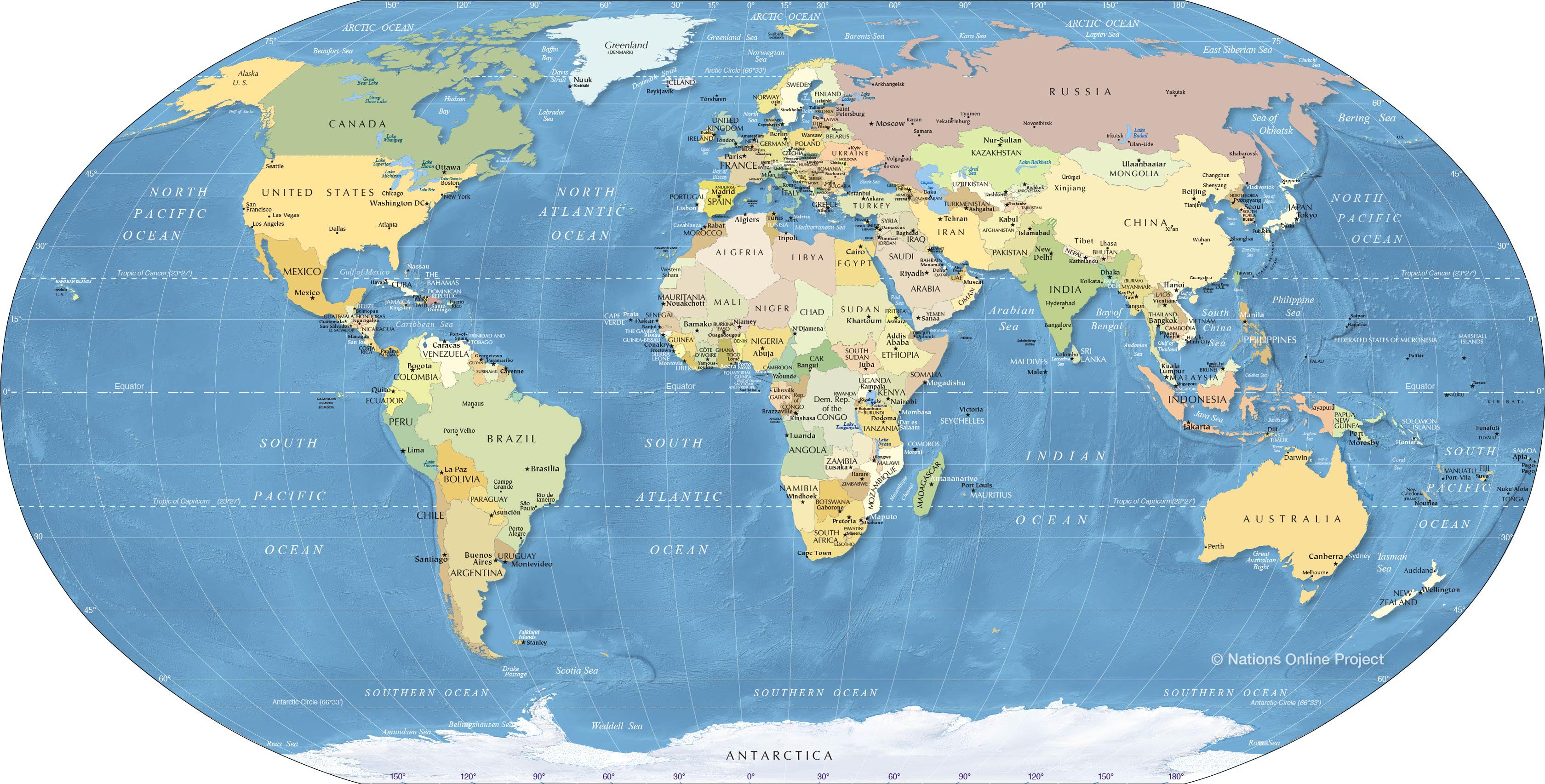
Maps lie. They show flat borders, neat lines of ink separating fields from forests, nations from neighbors, as if violence respected geometry. But maps do not show the vibration of coffee cups on a mahogany surface when a door slams three rooms away. They do not record the exact second a human being realizes that an old alliance is just a piece of paper waiting to be rewritten by someone else's artillery.
Step inside a room where leaders meet. The air smells of dry paper, expensive wool, and the faint, bitter copper of unexpressed panic.
Outside these heavy doors, the world is loud. Sirens wail through gray morning fog in Kyiv, bouncing off shattered concrete apartment blocks where grandmothers sweep glass from balconies. Sirens also wail in Tel Aviv, where families glance upward at the dark curve of the Mediterranean sky, waiting for the whistle of iron.
Inside, the noise is different. It is the rhythmic clicking of a ballpoint pen. It is the careful, measured cadence of translated diplomacy.
Donald Trump sits at the center of these shifting gravitational pulls. He is a man who treats global stability like a real estate negotiation during an earthquake. To understand why his recent meetings with Ukrainian and Israeli leadership matter, you have to strip away the cable news commentary and look at the raw mechanics of leverage.
Consider what happens when a superpower grows tired.
For decades, the post-Cold War architecture rested on a single, heavy pillar: American guarantee. If you were allied with Washington, you slept under a nuclear and economic umbrella. But weather patterns change. The umbrella is fraying. The ribs are bending in the gale-force winds of populist fatigue and domestic exhaustion.
In Kyiv, President Volodymyr Zelenskyy looks at maps every night. Not the clean maps of textbooks, but tactical overlays marked with red arrows pointing toward power grids and grain silos. When he speaks to foreign leaders, his eyes carry the exhaustion of a man who has not slept a full night since February 2022. He is not asking for charity. He is asking for oxygen.
Every conversation he has with Washington is a frantic calculation of survival. If American aid slows down by ten percent, a battery of air defense runs out of interceptor missiles three days early. Three days means forty-eight apartment buildings gone. Forty-eight apartment buildings means hundreds of lives erased in a blinding flash of phosphorus and steel. That is the math of war. It is cold, brutal, and entirely human.
Now shift the lens southward, across the map, toward the sun-bleached limestone of Jerusalem.
Prime Minister Benjamin Netanyahu sits at his own table, surrounded by maps of a different shape but an equally desperate geometry. To the north, Hezbollah rockets wait in orchards. To the east, Tehran pulls invisible strings through a network of proxies. To the south, the embers of a protracted urban conflict refuse to die out.
Israel’s security doctrine has always been simple, absolute, and unforgiving: never rely entirely on anyone else. Yet, in the modern theater, absolute self-reliance is an illusion. The Iron Dome interceptor missiles are sophisticated, brilliant pieces of engineering, but they are finite. They cost tens of thousands of dollars each to manufacture. They require advanced components, rare earth minerals, and sustained diplomatic cover at the United Nations.
When Trump meets with these leaders, he is not just shaking hands for the cameras. He is offering a different kind of transaction. His message, stripped of campaign rhetoric, is transactional realism. He views foreign policy through the lens of leverage: Who pays? Who wins? What is the return on investment?
This approach terrifies traditional diplomats. They love norms, treaties, and institutional memory. They believe in the sacred text of alliances forged in the aftermath of World War II.
But norms are cracking.
Imagine a bridge built out of aging timber. For generations, people crossed it safely because the engineers promised it was sound. Now, the wood is rotting from the inside out. You can hear the groaning beneath your feet. You can see the dark water rushing far below. Walking across it requires a different kind of courage—or a desperate willingness to jump to something new, even if you do not know where you will land.
Trump represents that groaning bridge. He does not care about the institutional memory of NATO or the intricate etiquette of Middle Eastern peace summits. He cares about the immediate deal. Can he stop the wars? Can he extract a win? Can he project strength without deploying American boots into the mud of the Donbas or the alleys of Gaza?
The leaders across from him know this. They have to adapt.
Zelenskyy cannot afford to alienate the American right, even as some factions within it openly question the utility of funding a distant European war. He must speak the language of business to a businessman. He has to pitch Ukraine not as an endless charity case, but as a strategic asset, a technological laboratory for modern drone warfare, a bulwark holding back a revisionist power that threatens global trade routes.
Netanyahu, similarly, must navigate the shifting moods of American political life. The historic bipartisan consensus protecting Israel in Washington is fracturing along generational and ideological lines. Trump remains wildly popular among a crucial base of American voters who view unwavering support for Israel as a moral imperative. Meeting with him is a way to bypass the institutional friction of the current administration and appeal directly to the architects of tomorrow's political reality.
These parallel summits reveal a brutal truth about the modern era. The age of multilateral harmony is dead. We have entered the era of personal diplomacy, where foreign policy is mediated through individual relationships, televised rallies, and late-night phone calls.
The stakes could not be higher.
If the American commitment to Ukraine collapses into a forced, unjust partition, the message to every authoritarian regime on earth will be clear: wait them out. Democracy is loud, messy, and impatient. Autocracy is quiet, patient, and brutal. If you hold out long enough, the democratic electorate will get bored, change the channel, and elect someone who wants to turn inward.
If the Middle East spirals into a regional conflagration that draws in direct state-on-state warfare between Israel and Iran, the economic shockwaves will hit gas pumps in Ohio, grocery stores in London, and shipping lanes in the South China Sea. No ocean is wide enough to insulate anyone from the consequences of a regional ignition.
The men in these meetings know this. They wear the weight of it on their shoulders.
Watch the footage closely. Ignore the soundbite on the evening news. Look at the body language. Notice how hands grip the armrests. Notice the brief, unscripted pauses before an answer is given. In those silent seconds, millions of lives hang in the balance.
History is not made by abstract forces. It is made in small, stuffy rooms where tired men argue over lines on a map, knowing that every stroke of a pen translates directly into blood, smoke, and survival.
The meetings end. The doors open. The cameras flash, blinding and indifferent. The leaders walk out to face the microphones, offering polished summaries of progress and strength.
But the ink on the papers is still wet.
The maps remain unchanged for now.
And somewhere out there in the dark, the quiet rooms wait for the next knock on the door.