The morning air in the valley tastes of coal dust and wet slate.
If you stand on the ridge overlooking the dry riverbed, you can hear the low, rhythmic thrumming of a diesel engine miles away before you can see the machine itself. It is a Caterpillar excavator, painted a bright, clean yellow that looks entirely out of place against the gray, eroded hillsides. A local foreman named Chen wipes sweat from his forehead with the back of a calloused hand, checking his wristwatch. Everything is on schedule. It has to be.
Three thousand miles away, in a glass-walled conference room overlooking a quiet harbor, a room full of men and women in tailored suits are looking at a spreadsheet. They are looking at columns of numbers that represent metric tons of lithium, billions of dollars in sovereign debt, and deep-water berths dredged out of coral mud. They speak of corridors and connectivity. They use sanitized language to describe a quiet transformation.
Power does not always arrive with the roar of artillery or the flash of a treaty signing. Sometimes, it arrives on the flatbed of a heavy truck, wrapped in the neutral promise of a paved road.
We have spent generations looking for the wrong kind of danger. We learned to fear the sudden invasion, the blockade, the fiery rhetoric broadcast across midnight television screens. We trained our eyes on the borders where armies gather, waiting for the line to cross. But history rarely repeats its methods verbatim. It rhymes in silence. While the world argues over headlines and political theater, a massive, methodical architectural project is being bolted together across continents, piece by heavy piece.
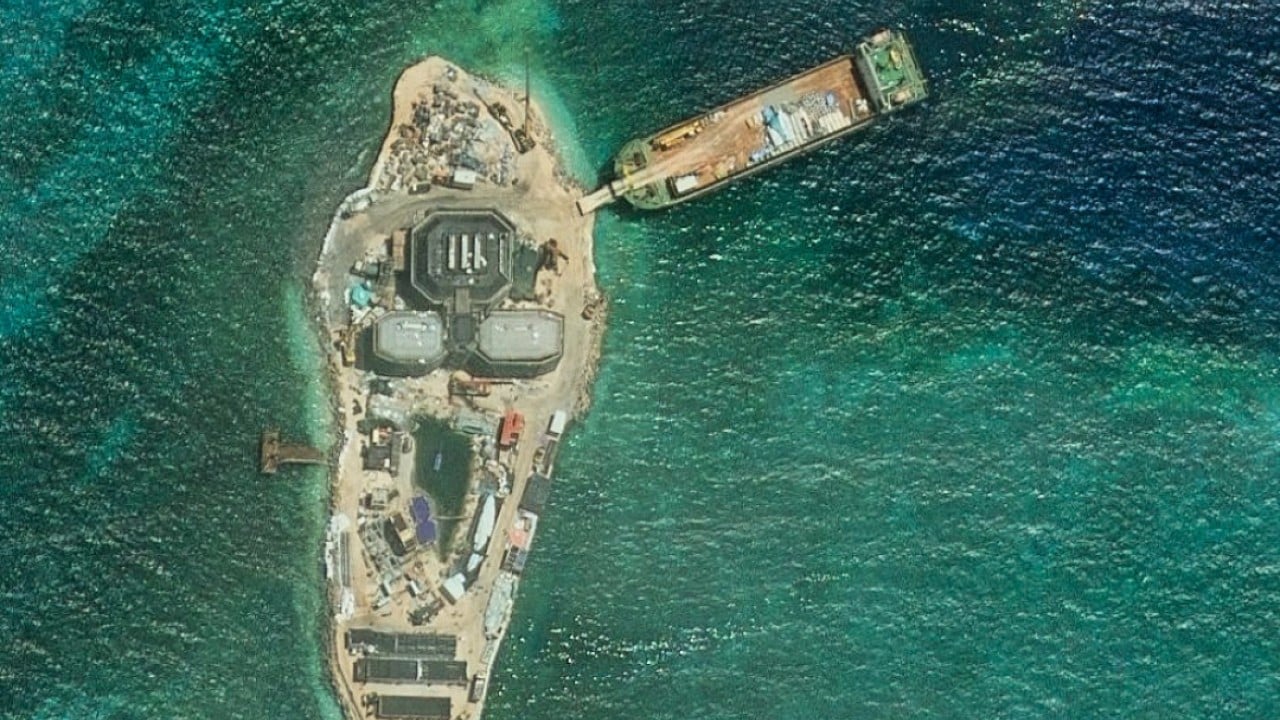
Consider what happens next: a small port town in a developing nation finds its dilapidated wooden piers replaced overnight by deep-water concrete docks capable of holding container ships the size of city blocks. No shots are fired. No ultimatums are delivered. Instead, a gracious loan agreement is signed in a quiet office, bearing interest rates that seem manageable in the flush of immediate modernization.
The concrete goes down. The cranes go up. The trucks begin to roll.
And then, years later, when the global economy stumbles and the repayment deadlines loom like storm clouds, the reality of the ledger sets in. The port is no longer just a port. It is leverage. It is a permanent footprint on a foreign shore, secured not by conquest, but by commerce.
This is the mechanics of quiet power. It operates on a principle older than empires: he who builds the bridge dictates who gets to cross it.
To understand how this works on the ground, we have to look past the macroeconomics and into the micro-moments. Imagine a village elder sitting on a wooden bench outside a dusty roadside market. For thirty years, getting his harvest to the regional capital meant a three-day journey over rutted dirt tracks that dissolved into impassable soup during the monsoon season. Half his crop rotted in the back of a sputtering truck before it ever reached a buyer.
Then, the construction crews arrived. They brought foreign engineers, local laborers, heavy machinery, and an abundance of capital. Within eighteen months, a sleek, asphalt highway cut directly past the village. The trip to the capital now takes forty minutes. The elder’s grandchildren can go to regional schools. Goods flow freely. It feels, undeniably, like progress.
Who could oppose progress? That is the brilliance of the strategy. It disarms criticism by delivering tangible, immediate benefits to people who have been forgotten by everyone else.
Yet, beneath the fresh blacktop lies a web of obligations. The loans financing the highway are backed by sovereign guarantees. When local tax revenues fall short, the collateral isn't seized by force; it is transferred on paper. Control over strategic assets shifts from local hands to foreign boardrooms. The road belongs to everyone, but the keys belong to one.
We are watching the redrawing of the global map in real-time, and most of us are too distracted by daily digital noise to notice the cartographers at work.
Look at the digital arteries being laid alongside the physical ones. Subsea fiber-optic cables, terrestrial data networks, and surveillance grids are weaving themselves into the critical infrastructure of emerging economies. When a nation relies on a single foreign provider for its telecommunications backbone, its financial transactions, and its municipal smart-city sensors, the nature of sovereignty changes. Independence becomes nominal.
History tells us that empires fall when they overextend their military reach. Rome collapsed under the weight of its own borders. But modern influence has evolved past the need for occupation. Why pay to garrison a hostile populace when you can simply own the utilities they depend on to survive? Why plant a flag when you can plant a server farm?
We talk endlessly about the threat of kinetic conflict, preparing for battles that may never materialize, while a bloodless acquisition of global gravity takes place in broad daylight. It is hidden in plain sight because we refuse to recognize power unless it is brandished as a weapon.
When a nation controls the ports, the power grids, the digital networks, and the debt registers of the developing world, it does not need to declare dominance. It simply becomes the environment in which everyone else has to live.
The sun dips below the ridge in the valley, casting long, dark shadows over the newly paved road. The excavators are parked for the night, their yellow steel silent against the gathering dusk. Far away, the ledgers remain open, the columns of figures growing longer, the quiet architecture of tomorrow locking another joint into place.