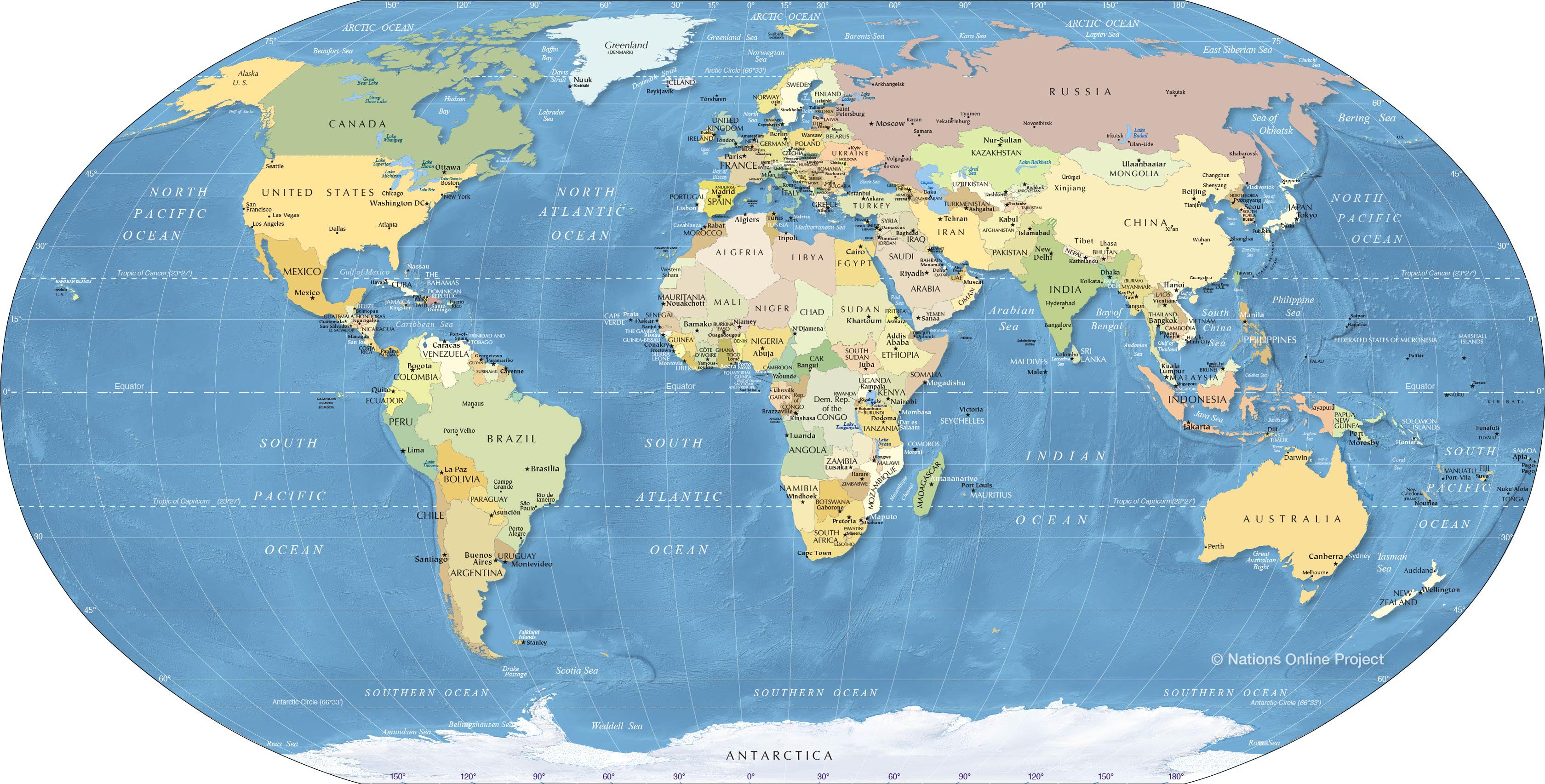
The air inside the dusty archives of any old merchant house in Mumbai smells of damp cotton and forgotten ledgers. Centuries ago, the journey across the Arabian Sea did not require a passport or a diplomatic clearance code. It required only courage, a wooden hull, and the predictable fury of the monsoon winds pushing cargo from the salt flats of Gujarat straight toward the ancient ports of Persia. Dhows laden with spices, teak, and indigo crossed waters that have always connected two distinct civilizations by a common thread of necessity.
History is rarely a straight line. More often, it is a knot, pulled tight by circumstance and loosened only when statesmen decide to pick at the threads.
When Prime Minister Narendra Modi stepped into the high-altitude chill of the Shanghai Cooperation Organisation summit, the cameras flashed. The analysts reached for their notepads. They whispered about geopolitics, about strategic balancing acts, about energy corridors and sanctions. They used sterile words to describe a meeting that happened behind closed doors with the Iranian leadership. Former diplomats like Gaddam Dharmendra spoke of timing, calling the encounter an important pivot in a shifting global chessboard.
Yet, to understand why that handshake matters, you have to look past the mahogany tables and the press releases. You have to look at the map of dust.
Consider what happens when nations find themselves trapped between competing pressures. For India, the desire for strategic autonomy is not a political slogan; it is an existential survival tactic. You cannot power the aspirations of a billion and a half people without keeping your energy doors open. You cannot secure your northern and western approaches if you ignore the historical choke points of Central Asia.
Imagine standing on the deck of a cargo ship idling in the Gulf of Oman. The water is a flat, unblinking mirror under a white-hot sun. Every mile of that water represents a calculation of risk. Will the insurance rates spike today? Will a new sanction drop tomorrow? Trade lanes are the veins of the modern world, and when they clog, ordinary people feel the pressure in the price of a cylinder of cooking gas, in the cost of fertilizer for a farmer in Punjab, in the quiet anxiety of a small business owner watching his logistics budget evaporate.
This is where the Chabahar port project enters the story. It is not merely concrete poured on an Iranian coastline. It is a lifeline.
When India committed to developing that harbor, it was buying more than a commercial berth. It was buying a bypass. It was carving a road through the mountains of geography that allows goods to flow north toward Afghanistan, Central Asia, and beyond, completely avoiding the northern land routes controlled by hesitant rivals. It is a quiet defiance of distance.
During the SCO summit, behind the diplomatic polish, that very geography was on the table. Former envoy Dharmendra noted that the meeting arrived at a crucial juncture, and he was not wrong. The world is splitting along jagged new fault lines. Old alliances are fraying; new transactional partnerships are forming overnight out of sheer desperation. In such an era, staying in the room is not optional. It is the only way to ensure you are not on the menu.
Diplomacy is fundamentally an exercise in listening to what is left unsaid.
When two leaders sit across from each other in a city thousands of miles from their capitals, they carry the weight of ancient expectations and modern anxieties. Iran is a nation living under the crushing weight of economic isolation, yet possessing a cultural pride that refuses to bend. India is a rising economic engine that desperately needs stability in its extended neighborhood, yet must constantly navigate the watchful, suspicious eyes of Washington and other Western capitals.
To balance these forces requires the dexterity of a tightrope walker in a gale-force wind. Lean too far one way, and you alienate vital technological and financial partners. Lean too far the other, and you choke off your own resource security, leaving your economy vulnerable to the whims of distant capitals.
We forget that behind every geopolitical headline is a human cost.
Think of the young engineer in Tehran scrolling through job boards, wondering if her degree will ever translate into a stable future in a globalized economy. Think of the Indian exporter in Surat whose shipment of textiles is delayed for weeks because a regional conflict has suddenly made a routine sea route too dangerous to traverse. These lives are the invisible anchors of high policy. When leaders meet, they are not just trading tactical compliments; they are attempting to grease the rusty hinges of international trade so that ordinary human beings can get on with the business of living.
The meeting at the SCO summit was brief. The handshakes were practiced. The official communiqués will use phrases like mutual cooperation and regional stability until the words lose all their color.
Do not let the dry language fool you.
Every time a nation reaches across a sanctioned divide to keep an economic artery open, it is an act of quiet rebellion against a fracturing world. It is the modern equivalent of the ancient sailor trusting the monsoon wind, navigating by the stars when the compass fails, determined to reach the other side simply because stopping was never an option. The dust settles on the archives, but the map continues to change.