Middle powers aren't waiting around for permission anymore. When Canadian Secretary of State for Defence Procurement Stephen Fuhr sat down with Australian Defence Minister Richard Marles in Canberra on June 22, 2026, they didn't just sign a $1.75 billion defense export contract. They signaling a massive, tectonic shift in how middle-tier global powers intend to protect themselves in an era where traditional alliances feel increasingly transactional.
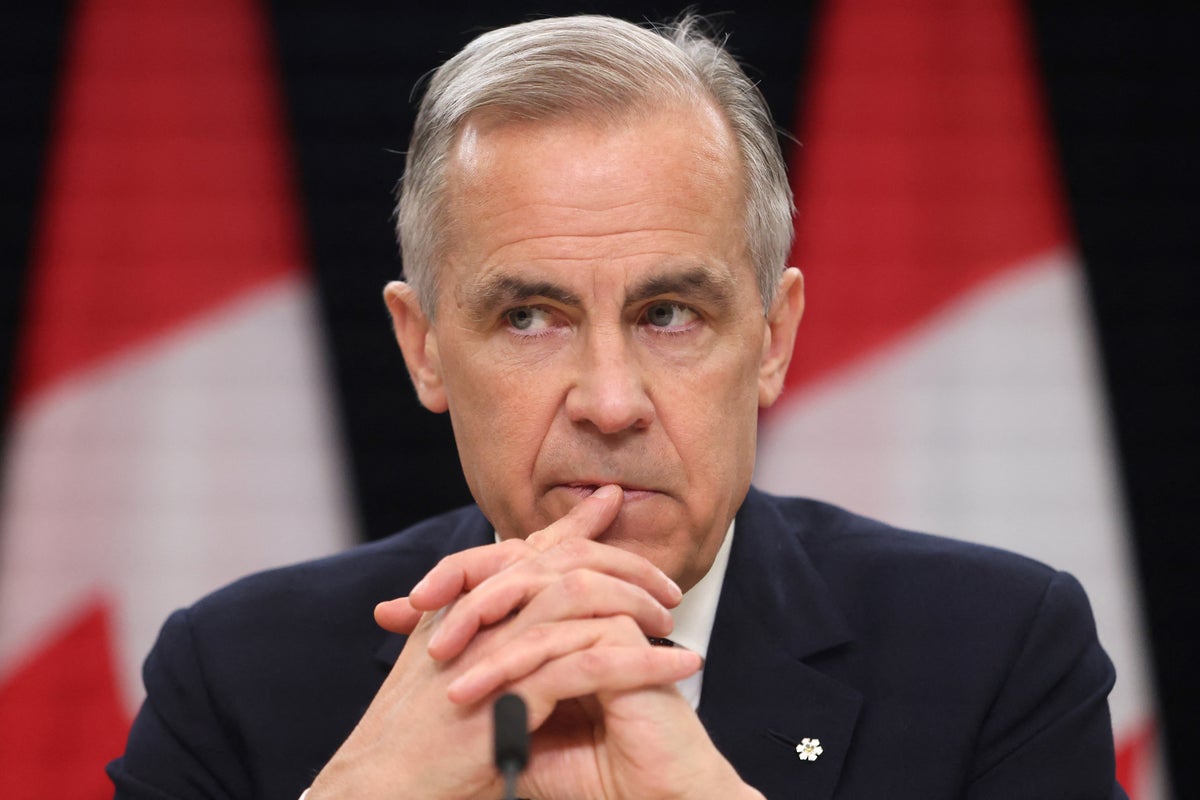
Canada needs an Arctic Over-the-Horizon Radar system (A-OTHR). It's a vital piece of the NORAD puzzle designed to track fast-moving, low-flying missile threats and aircraft over the melting, highly contested Far North. The easy, predictable move for Ottawa would have been buying American technology. Instead, Canadian Prime Minister Mark Carney deliberately chose an Australian design, handing the nation down under its largest defense export deal in history.
It's a move that tells you everything you need to know about Canada's new pursuit of strategic autonomy.
The Tech Behind the Pivot
Let's look at what Canada is actually buying. Conventional radar is limited by the line of sight because radio waves travel straight, while the planet curves. If a threat is low enough and far enough away, it hides below the horizon.
Australia spent 40 years perfecting a workaround. Their Over-the-Horizon Radar system bounces high-frequency electromagnetic waves directly off the Earth's ionosphere. By treating the upper atmosphere like a giant mirror, the signal reflects back down to earth, allowing operators to see thousands of kilometers past the physical curve of the globe.
For Canada, the transmitting and receiving footprint will take shape in southern Ontario, specifically across the Kawartha Lakes region. Once it goes operational by 2029, the system will cast a vast digital net stretching from the US-Canada border all the way deep into the Arctic circle.
But tech is only half the story. The real driver here is economic insulation.
Moving Away From the US Trade Shadow
You can't separate this defense deal from the political friction happening across North America. Carney didn't win the prime minister's office by promising business as usual. He stepped into power with a clear, direct mandate to handle an increasingly unpredictable trade environment with Washington, where threats of sweeping tariffs and aggressive rhetoric have forced Ottawa to rethink its vulnerabilities.
Carney explicitly laid out this worldview earlier this year during his address at Davos. He noted that a country that cannot feed, fuel, or defend itself isn't truly sovereign. His stated goal is to double Canada's non-US exports over the coming decade to break the country's overwhelming reliance on its southern neighbor.
When you view the $1.75 billion radar deal through that lens, it stops looking like a simple procurement choice and starts looking like a declaration of independence.
Buying American frequently comes with heavy strings attached—strict ITAR (International Traffic in Arms Regulations) restrictions, endless oversight, and a supply chain tethered entirely to Pentagon priorities. By partnering with BAE Systems Australia, Canada secured something Washington rarely concedes: a comprehensive industrial benefits package.
The Australians aren't just shipping crates of hardware to Ontario. They are actively transferring technical expertise to Canadian firms, plugging local aerospace companies into the long-term development of the platform. The government estimates the project will inject 2,270 jobs annually into the Canadian economy between 2026 and 2033.
Building the Middle Power Coalition
The Canberra signing ceremony is the direct result of a diplomatic offensive Carney kicked off shortly after taking office. In March, he became the first Canadian prime minister to visit Australia in 12 years. He didn't go for the weather; he went to build a defensive wall with Australian Prime Minister Anthony Albanese focused on AI, critical minerals, and military hardware.
Both nations share the exact same dilemma. They are massive landmasses with small populations, resource-rich economies, and a heavy dependence on traditional superpower protection. They are also both members of the Five Eyes intelligence alliance alongside the US, the UK, and New Zealand.
But instead of waiting to see what Washington decides to do with multilateral frameworks, these two Commonwealth partners are linking up directly. It's a pragmatic, horizontal alliance.
What Happens to the Polar North Now
This $1.75 billion agreement is only phase one of a much wider, multi-billion dollar domestic defense build-up. While the southern Ontario radar station will handle the low-to-mid Arctic approaches, the Carney government is already drawing up plans for a second network: the Polar Over-the-Horizon Radar (P-OTHR).
The polar variant will need to be constructed deep within the brutal terrain of the Canadian Arctic Archipelago—a maze of more than 36,500 islands. The exact locations are heavily classified, but the strategic intent is obvious. Canada knows it lags far behind in Arctic infrastructure, and as northern ice corridors open up to international shipping and rival military patrols, the luxury of leaving the front door unmonitored is officially over.
If your enterprise operates anywhere within the global defense, aerospace, or advanced manufacturing supply chains, you need to adapt to this new procurement model immediately. Superpower supply chains are fracturing, and middle powers are actively looking for alternative, highly collaborative tech partnerships that offer real knowledge transfer and domestic economic returns. Don't pitch products that keep your partners dependent; pitch platforms that build their sovereign capability. Keep an eye on upcoming request-for-proposals tied to the next polar phase of the Canadian radar network, because the bidding criteria will heavily favor firms willing to embed deeply within Canada's domestic industrial base.