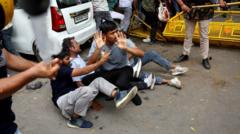
Tens of thousands of students, parents, and citizens are filling the streets around Jantar Mantar and marching toward Parliament. On the surface, the protest in Delhi looks like a sudden outburst over a single compromised test. But if you look closer, you're seeing years of built-up frustration bursting into the open.
The spark was the May cancellation of the nationwide NEET-UG examination after a severe question paper leak. Over two million medical aspirants who spent years studying 12 hours a day were suddenly told their efforts were wiped out. They had to retake the exam. For families who sacrificed their life savings on coaching institutes, it was a breaking point. But paper leaks aren't new in India. What transformed this specific crisis into a massive national movement is how young people decided to fight back.
The Birth of the Cockroach Movement
When the exam controversy erupted, a political figure dismissed the angry students, comparing their persistent complaints to pest control. Instead of backing down, young people seized the insult. They founded the Cockroach Janta Party, embracing the label as a badge of resilience. Cockroaches survive everything. That became their rallying cry.
By June, activists, students, and citizens began camping out at Jantar Mantar in sweltering 37°C heat. Prominent climate activist Sonam Wangchuk joined the sit-in and launched an indefinite hunger strike that lasted over three weeks before police forcibly moved him to a hospital. His deteriorating health turned a student petition into a national headline. Middle-class families who never participated in a rally before began arriving with food, water, and supplies for the youth on the front lines.
What started as a chat group of frustrated teenagers grew into one of the largest youth-led mobilizations Delhi has seen in years.
An Education System Built on High Stakes and Low Security
To understand why people are taking to the streets, you have to realize what entrance examinations mean in India. Millions of students compete for a tiny fraction of seats in state medical and engineering colleges. A single three-hour test determines whether a young person secures a stable middle-class career or faces economic stagnation.
When that single test is compromised by systemic leaks and corrupt testing networks, it ruins lives. Reports of students dying by suicide following the cancellation underscored the immense psychological pressure these teenagers face.
The protesters aren't just asking for a retake. They want structural accountability. Their main demands include:
- The immediate resignation of the Union Education Minister.
- A complete overhaul of the national testing agency and its security protocols.
- Financial compensation of 1 crore rupees for the families of students lost to exam-related distress.
- Direct dialogue between government officials and student representatives.
Instead of meeting with representatives, authorities responded with heavy-handed security measures. Section 144 bans were imposed, mobile internet was shut down in parts of central Delhi, and police used batons and tear gas to stop marchers heading toward Parliament.
Why the Crisis Isn't Going Away
This demonstration isn't just about a single administrative failure. It highlights deep structural issues that have been building up for decades.
The Rise of Coaching Hubs
Entire cities exist solely to train teenagers for high-stakes entrance exams. Families take out high-interest loans to pay for private coaching because school education alone rarely suffices to crack these tests. When paper leaks happen, it exposes a lucrative underground market where paper buyers bypass years of hard work with cash.
The Lack of Avenues for Youth Grievances
For months, administrative bodies dismissed complaints, insisted tests were fair, and delayed investigations until public outrage made denials impossible. The lack of quick, transparent communication turned minor delays into massive public distrust.
Demographics Meeting Political Apathy
India has one of the youngest populations in the world. When millions of educated young people feel the system is rigged against them, public anger spreads fast. The Delhi demonstration is a sign that Gen Z voters are no longer willing to wait quietly for policy fixes that never arrive.
How to Get Involved and Track the Situation
If you're following these events or want to support systemic education reforms in India, here's how you can take action right now:
- Follow real-time updates from independent journalists and legal aid groups monitoring human rights at protest sites in Delhi.
- Support student rights organizations advocating for transparent testing standards and mental health resources for examinees.
- Contact your local parliamentary representatives or civil society forums to push for comprehensive legislation against examination paper leaks and testing fraud.