Measles doesn't politely knock on the door. It walks straight through the vents.
With over 5,400 confirmed U.S. cases in 2026 and the loss of measles-elimination status after 26 years, what once looked like a settled public health victory is suddenly back on the front burner. Across the Americas, Pan American Health Organization (PAHO) data shows tens of thousands of confirmed cases this year—nearly five times the pace of the same window in 2025—alongside severe surges elsewhere in the world. When a virus this contagious finds pockets of low immunity, it doesn't just cause a few sniffles and spots. It exposes every crack in a community's defenses.
Honestly, a lot of people still treat measles like a mild childhood rite of passage. That assumption is dangerous.
How a measles surge exposes gaps everywhere
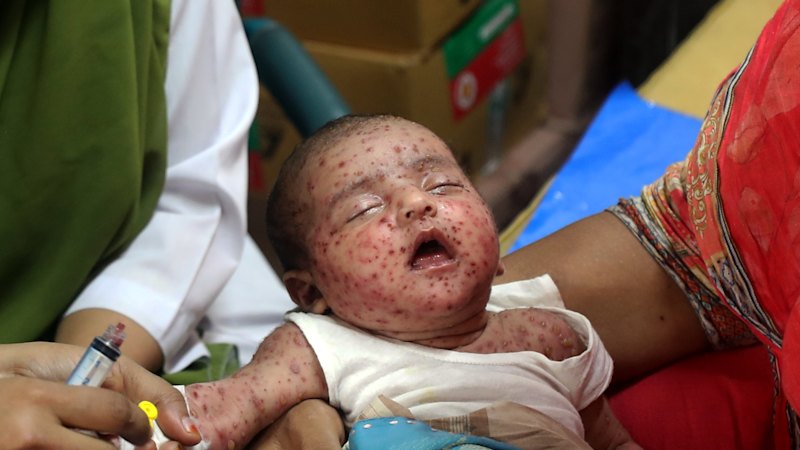
Measles is one of the most transmissible human viruses on earth, spreading through airborne droplets and lingering in the air or on surfaces after an infectious person leaves a room. Even worse, someone can spread it before they even realize they're sick, when symptoms look like a rough cold—high fever, cough, runny nose, and red, watery eyes—days before the telltale rash shows up.
Because the virus moves so fast, stopping it takes a remarkably high bar: roughly 95 percent two-dose vaccination coverage within a community. Dip below that threshold, even in specific neighborhoods, schools, or social circles, and transmission can ignite fast. Public health agencies like PAHO have repeatedly flagged how declining coverage, vaccine hesitancy, and uneven healthcare access create susceptible pockets where imported cases spark sustained outbreaks.
The 2026 wave also highlights a wrinkle that catches plenty of folks off guard: adults aren't immune to the fallout. Adults make up a substantial share of recent U.S. cases, and hospitalizations hit hard across age groups—especially young children under five and adults 20 and older.
What severe measles actually does to the body
Most people recover from measles, sure. Still, "usually not fatal" isn't comfort when you're looking at serious complications or rare deaths. Respiratory issues like pneumonia, neurological complications, and severe dehydration can turn a routine illness into a hospital stay. For pregnant people who aren't protected, infection carries added risks such as premature birth or low birth weight.
There's also a sneaky catch that doesn't get enough attention in casual conversation. Measles can temporarily wipe out part of the body's immune memory, leaving people more vulnerable to other infections for months afterward. That's why outbreaks don't just strain urgent care clinics on day one—they ripple through families, schools, and clinics for weeks.
The hidden price tag of outbreaks
When people think about an outbreak, they usually picture sick patients. Public health teams also picture contact tracing, exposure notices, school or clinic disruptions, and hours of frontline detective work.
A Johns Hopkins modeling analysis reported in November 2026 estimated the 2026 U.S. measles burden at nearly $83 million, driven heavily by public health response costs alongside productivity losses and direct medical expenses. Even when secondary cases are prevented, quarantines and exposure investigations eat up serious time and money. Prevention is boring compared to emergency response, right up until an outbreak forces everyone to pay emergency prices.
Why global travel makes this everyone's issue
You don't have to live in a low-coverage neighborhood to feel the pressure of a major outbreak. Airports, transit hubs, family gatherings, and international events connect populations that have very different immunity levels. A single travel-linked case can bounce from one city to another before health officials even connect the dots.
That's why major surges anywhere act as a warning light for every nation. If a country with strong medical infrastructure and decades of elimination status can slip back into endemic spread when coverage drops and outbreaks stack up, no place gets a free pass indefinitely.
Practical steps you can take right now
You don't need to panic to be smart about this. A few practical moves can save you a massive headache later:
- Check your vaccination records. If you're an adult and aren't sure whether you got two doses of the MMR vaccine—or had measles in the past—look up your immunization records or ask a healthcare provider what makes sense for you.
- Keep track of kids' schedules. Infants typically get their first dose around their first birthday, which means babies under a year rely heavily on surrounding community immunity. Staying on top of routine checkups protects both your child and vulnerable infants nearby.
- Plan ahead before international travel. Check destination health guidance and talk with a clinician early if you're traveling to areas with active transmission or if a young child might need guidance on timing.
- Know early symptoms and call ahead. If you or your child develop a high fever, cough, runny nose, red eyes, or rash—especially after travel or a known exposure—call the clinic or hospital before walking into a crowded waiting room so staff can prevent exposing others.
Checking your status takes a few minutes today. Waiting until an exposure notice lands in your inbox is a whole lot harder.