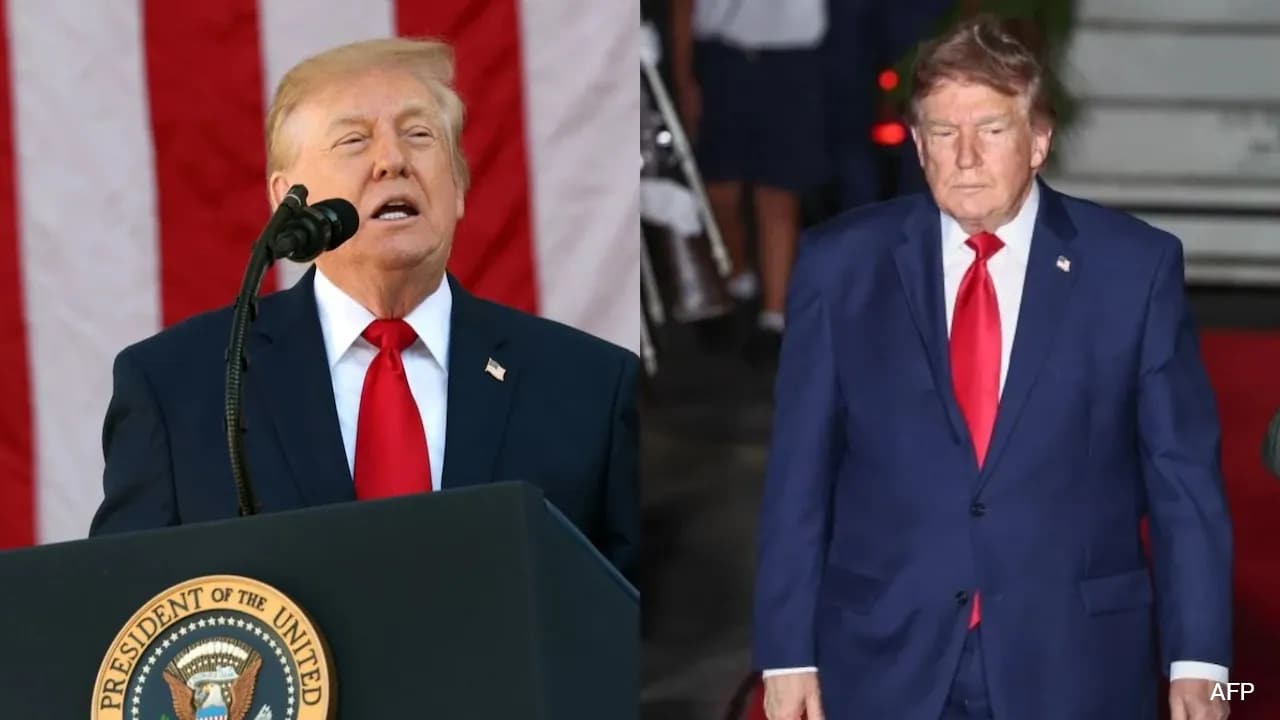
Visual deviations in a head of state’s established personal brand act as high-velocity attention sinks, reliably hijacking public discourse from substantive geopolitical negotiations. When Donald Trump arrived in Manila during his November 2017 Asia tour—specifically for the Association of Southeast Asian Nations (ASEAN) summit—a measurable shift in the pigment density and structural volume of his hair generated a massive spike in digital engagement, temporarily eclipsing coverage of regional trade deficits and South China Sea security protocols. Understanding this phenomenon requires stripping away superficial commentary and analyzing the environmental physics, grooming logistics, and media-consumption incentives that transform a minor physical alteration into a dominant news cycle.
The Physics and Logistics of Tropical Hair Architecture
To analyze why an established visual signature changes abruptly during international travel, one must first examine the baseline architecture of the subject's grooming routine. For decades, Trump’s hair functioned as a fixed visual trademark characterized by high-lift blonde-to-amber coloration, significant vertical lift at the crown, and a complex multi-directional sweep engineered to maximize coverage. Maintaining this exact geometry relies on a controlled micro-environment: low ambient humidity, predictable indoor air conditioning, and immediate access to specialized styling infrastructure.
When an executive travels across multiple time zones into a tropical climate zone like Manila, three operational variables disrupt this baseline:
- Hygroscopic Expansion and Cuticle Swelling: Human hair is hygroscopic, meaning it absorbs moisture from the surrounding air until it reaches equilibrium with ambient humidity. In November, Manila’s relative humidity routinely fluctuates between 75% and 85%. When hair treated with chemical lighteners—which permanently raise the hair cuticle and increase porosity—encounters high atmospheric moisture, hydrogen bonds within the keratin cortex break and reform randomly. The immediate physical result is increased volumetric expansion, frizz, and a loss of structural rigidity, producing the "fluffier" appearance documented by photojournalists on the tarmac and inside the summit venues.
- Pigment Oxidation and Lighting Temperature: Hair coloration is not static; semi-permanent toners and oxidative dyes degrade under ultraviolet exposure and shift under varying artificial light spectra. The perceived "darker" tone observed during the Philippines leg of the tour stems from two interacting mechanisms. First, heavy humidity compresses the surface sheen of individual hair shafts, reducing specular reflection (the bounce of light off a smooth surface) and making the overall mass appear several shades deeper. Second, the color temperature of broadcast lighting inside Southeast Asian convention centers differs from the calibrated lighting rigs of Washington press briefings, shifting the camera sensor's white balance toward warmer, darker amber and chestnut frequencies.
- Logistical Compression on Multi-Leg Diplomatic Tours: A twelve-day, five-nation diplomatic itinerary compresses recovery and maintenance windows. Standard grooming protocols are subordinated to security sweeps, motorcade schedules, and bilateral meetings. Without the time required for multi-step blow-drying and high-hold polymer setting, the hair reverts closer to its natural, unstyled texture, trading sleekness for raw volume.
The Mechanics of Algorithmic Attention Capture
A change in a politician's hairstyle carries zero direct policy weight, yet legacy news outlets and social media platforms allocate disproportionate bandwidth to covering it. This allocation is not a failure of editorial judgment; it is a rational response to the economics of digital attention.
In media ecosystems governed by engagement algorithms, content competes for finite user attention along two axes: cognitive load and novelty. Geopolitical frameworks—such as the mechanics of bilateral trade agreements or multilateral defense treaties—impose a high cognitive load. They require background knowledge, yield incremental outcomes, and offer low immediate emotional payoff. Conversely, an anomaly in a hyper-familiar face imposes near-zero cognitive load while triggering high novelty.
Humans possess specialized neural circuitry (notably within the fusiform face area) dedicated to detecting minute variations in familiar faces. When a public figure whose visual silhouette is globally standardized appears with altered proportions or coloration, it creates a mild perceptual dissonance. Digital platforms monetize this dissonance through three sequential stages:
- Micro-Observation: High-resolution wire photography from pools like Reuters or the Associated Press captures the visual anomaly in sharp detail.
- Social Amplification: Early adopters on microblogging platforms isolate the visual delta, pairing the imagery with punchy, low-context commentary. Because the visual requires no translation, it crosses linguistic and demographic boundaries instantly.
- Institutional Aggregation: Digital news desks monitor real-time search velocity and social trending metrics. Once keyword clusters around the physical trait cross a predetermined engagement threshold, editors commission rapid-response aggregation articles—embedding social media reactions to capture search traffic without incurring the cost of investigative reporting.
Strategic Distraction Theory Versus Organic Noise
A recurring debate in political communications centers on whether visual anomalies are deployed intentionally as tactical distractions or occur as organic operational noise. Applying Occam’s razor and operational analysis reveals the limitations of the "intentional distraction" hypothesis in this specific context.
For a physical alteration to serve as a calculated strategic diversion, the actor must control both the execution of the change and the framing of its reception. In the case of the Manila appearance, the aesthetic shift offered no clear reputational upside; political branding relies on visual consistency to project stability and vigor, whereas sudden shifts in hair color or texture invite speculation regarding age, vanity, or physical fatigue.
However, the absence of intent does not neutralize the strategic effect. In modern political warfare, any stimulus that saturates the information environment acts as a functional smoke screen, regardless of its origin. During the November 2017 ASEAN summit, substantive friction existed between the United States' "America First" bilateral trade doctrine and the multilateral consensus preferred by Southeast Asian leaders, alongside ongoing scrutiny regarding human rights protocols in the Philippines. By absorbing millions of impressions, the discourse surrounding Trump’s hair crowded out critical analysis of these policy friction points in mainstream consumer feeds. The media ecosystem effectively self-censored complex geopolitical reporting in favor of low-friction visual commentary.
The Vulnerability of Hyper-Standardized Personal Brands
The episode exposes a fundamental structural vulnerability in hyper-standardized personal branding. When a leader constructs an unmistakable, rigid visual silhouette—whether through a specific suit cut, tie length, skin tone, or hairstyle—that silhouette becomes a load-bearing pillar of their public persona.
The operational cost of maintaining a rigid aesthetic increases exponentially as external variables multiply. While a standardized look builds rapid brand recognition and simplifies caricaturing (which paradoxically aids memorability), it eliminates aesthetic margin for error. A politician with a conventional, low-maintenance appearance experiences no media friction when humidity alters their hair; the variance falls within expected parameters. Conversely, when a signature look is engineered to defy natural physics—such as maintaining high-volume, directional hair in a monsoon climate—environmental friction inevitably forces a visible breakdown.
Furthermore, once an audience is conditioned to scrutinize a leader's physical consistency, minor biological realities (such as root growth, toner fade, or humidity frizz) are interpreted as major political or personal events. The brand becomes hostage to its own maintenance requirements.
Tactical Protocol for Executive Image Management in High-Variance Environments
Communication directors and executive operations teams managing high-visibility principals on international deployments cannot rely on domestic grooming routines to survive foreign climates. Mitigating unintended visual anomalies requires treating personal presentation as an environmental engineering problem rather than a cosmetic afterthought.
To prevent environmental factors from hijacking diplomatic messaging, executive teams must execute a four-part operational protocol prior to deployment:
- Climate-Adjusted Formulation: At least ten days prior to travel into high-humidity or high-UV zones, colorists and stylists must adjust chemical formulations. Reducing high-lift bleaching in favor of lower-porosity demi-permanent toners prevents the hair cuticle from absorbing excess atmospheric moisture, directly curbing volumetric swelling.
- Polymer Substitution: Standard domestic styling products—often reliant on water-soluble humectants like glycerin—actively pull moisture from humid air into the hair shaft, accelerating collapse and frizz. Travel kits must substitute humectants with hydrophobic, silicone-based or cross-linked polymer sealants that create a moisture barrier around the cuticle.
- Lighting Calibration Audits: Advance teams conducting venue walkthroughs for international summits must measure the Kelvin color temperature and Color Rendering Index (CRI) of stage lighting. Communicating these metrics to the principal’s grooming team allows for real-time adjustments in bronzer, powder, and hair-toning sprays to prevent harsh contrast shifts under foreign broadcast cameras.
- Schedule Buffering: Protocol officers must build non-negotiable 20-minute environmental reset buffers immediately following tarmac arrivals and prior to formal bilateral photo opportunities. Attempting to transition a principal directly from an air-conditioned aircraft cabin through humid tarmac air into a formal press pool guarantees visible structural degradation.
Ultimately, high-stakes diplomacy demands absolute control over the signal-to-noise ratio. Leaving a principal's physical trademark vulnerable to predictable meteorological physics surrenders narrative control to the lowest common denominator of algorithmic media consumption.