Structural Failures in Transnational Migrant Labor Networks
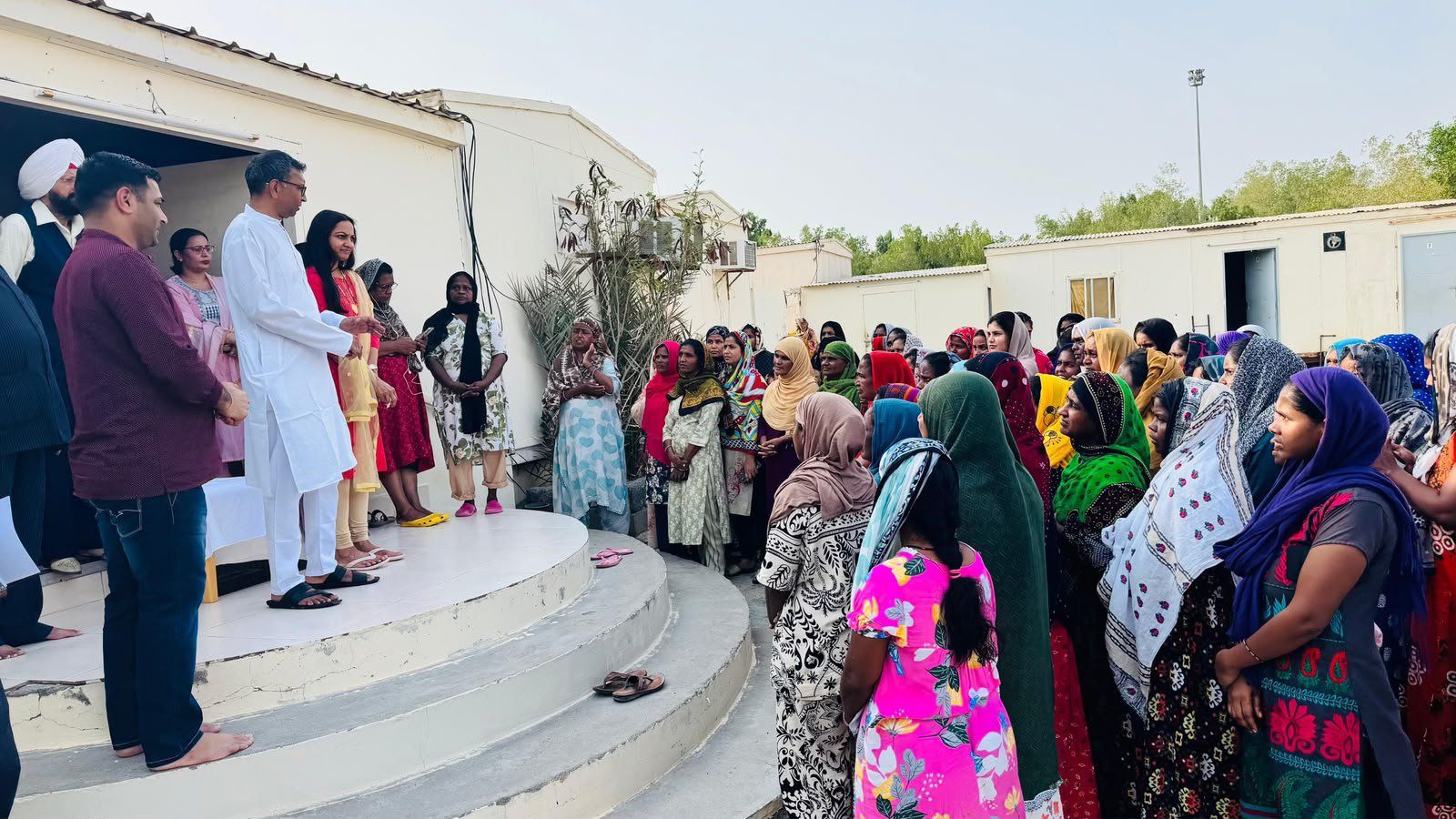
The distress of foreign domestic workers in the Persian Gulf is not an accidental anomaly; it is a structural byproduct of asymmetrical labor contracts, fragmented regulatory oversight, and legal frameworks that link a worker's legal residency directly to a single employer. When diplomatic personnel engage in emergency outreach to distress cases, they are intervening at the tail end of a predictable systemic failure. Resolving these crises requires moving beyond reactive welfare visits toward mapping the exact mechanisms that generate labor vulnerability.
The operational lifecycle of a transnational domestic worker spans three distinct jurisdictional environments: the country of origin's recruitment infrastructure, the transit corridor, and the host nation's legal ecosystem. Bottlenecks and systemic failures occur across all three phases.
+-------------------------------------------------------+
|                 ORIGIN JURISDICTION                   |
|  Recruitment Agencies & Sub-Agents                    |
|  - Debt-Bondage Creation via Excessive Fees           |
|  - Contract Substitution & Misinformation             |
+---------------------------+---------------------------+
                            |
                            v
+-------------------------------------------------------+
|                  TRANSIT CORRIDOR                     |
|  Cross-Border Regulatory Gaps                         |
|  - Unenforceable Pre-Departure Guarantees             |
|  - Lack of Direct Diplomatic Oversight                |
+---------------------------+---------------------------+
                            |
                            v
+-------------------------------------------------------+
|               DESTINATION JURISDICTION                |
|  Sponsorship Framework (Kafala)                       |
|  - Employer Control Over Legal Status & Mobility      |
|  - Passport Retention & Wage Arrears                  |
|  - Isolation in Private Residential Domains           |
+-------------------------------------------------------+
The Kafala Framework and Power Asymmetry
The primary driver of worker vulnerability in many Gulf Cooperation Council (GCC) nations, including Oman, is the sponsorship system (Kafala). Under this legal architecture, the state delegates the oversight of a migrant worker's legal immigration status to a private citizen or corporate sponsor (Kafeel).
This arrangement creates three critical points of leverage for the employer:
- Mobility Control: A worker cannot alter employment or exit the host nation without explicit permission or legal release from the original sponsor. Attempting to leave an abusive environment often results in the employer filing "absconding" charges, effectively converting a civil labor dispute into a criminal offense.
- Document Retention: Despite statutory prohibitions against the confiscation of passports, widespread non-compliance persists. Possessing a worker's primary identification document paralyzes their ability to seek local legal remedies or access public services.
- Isolation in Unregulated Spaces: Domestic workers operate within private residences, which are typically exempt from standard labor inspections applicable to commercial enterprises. This spatial isolation impedes real-time monitoring and legal enforcement.
The Economic Cascades of Recruitment Debt
A fundamental contributor to worker distress is the financial architecture of pre-departure recruitment. Although regulations often mandate that employers bear all recruitment costs, informal networks of sub-agents in source countries routinely extract substantial fees from prospective migrants.
Debt-Bondage Mechanics
To afford these fees, workers take high-interest loans from informal lenders, mortgaging land or personal assets. Upon arrival in the host state, the worker's primary objective shifts from net earning to debt service.
This financial burden alters the risk calculation for the worker:
- Risk Suppression: A worker subjected to wage non-payment, physical exhaustion, or contractual breach is statistically disincentivized from reporting infractions if doing so risks immediate deportation prior to debt amortization.
- Contract Substitution: Workers regularly sign a legally binding contract in their home nation, only to be presented with a secondary contract upon arrival offering lower pay and altered responsibilities. The presence of pre-existing debt forces acceptance of these degraded terms.
- Compounded Wage Loss: When employers withhold monthly stipends, the worker's home country debt compounds exponentially due to high local interest rates, transforming a temporary wage dispute into catastrophic household insolvency.
Diplomatic Intervention: Operational Capabilities and Constraints
When a diplomatic mission receives reports of distressed citizens, its capacity to act is governed strictly by the Vienna Convention on Consular Relations (1963) and local host-nation laws. Diplomatic status does not confer law enforcement authority within a foreign sovereign jurisdiction. consular interventions must operate within a defined, multi-step framework.
[Initial Incident Report / Hotline Intake]
                   |
                   v
[Consular Assessment & Identity Verification]
                   |
                   v
[Dual-Track Engagement Strategy]
        /                     \
       v                       v
[Diplomatic Line]       [Legal & Administrative Line]
- Ministry of Foreign    - Labor Discretion Courts
  Affairs Escalation     - Immigration / Exit Visas
- Sponsor Negotiation    - Shelter Allocation
        \                     /
         v                   v
[Repatriation / Financial Recovery / Legal Resolution]
Protocol 1: Triage and Verification
Consular officers establish contact through hotline channels, community liaisons, or direct outreach. The immediate priority is assessing physical safety, document status, and unpaid wages. Verification requires cross-referencing worker details against recruitment databases maintained by the home country, such as India's eMigrate portal.
Protocol 2: Bilateral Administrative Escalation
To resolve individual cases without prolonged litigation, diplomatic personnel engage host-nation ministries via formal communication (Note Verbale) or bilateral labor committees.
Key objectives include:
- Securing emergency travel documents (Emergency Certificates) when passports are unlawfully withheld.
- Negotiating the waiver of overstay fines accumulated as a result of absconding allegations.
- Facilitating transfer of sponsorship to a new employer or securing exit permits for immediate repatriation.
Protocol 3: Shelter Provision and Legal Defense
Diplomatic missions often run dedicated consular shelters to house workers during dispute resolution. These facilities provide physical safety, medical attention, and legal counsel. However, shelter capacities are consistently constrained by high demand, legal limitations on capacity, and the prolonged timeframes required to clear immigration hurdles.
Structural Bottlenecks in Disputing Systemic Labor Issues
Consular outreach provides vital relief for individual cases, but it faces persistent administrative obstacles:
- Jurisdictional Limits on Private Property: Diplomatic staff cannot enter private residences to extract a worker without explicit authorization and physical accompaniment by local police forces.
- Asymmetric Legal Timelines: Host country labor court proceedings can drag on for months. Unemployed workers, lacking an income and legally prohibited from taking temporary work while disputes are adjudicated, frequently forfeit valid back-wage claims simply to return home.
- Recruitment Agency Accountability: Source-country recruitment agencies often evade liability by operating under multiple corporate identities or delegating operations to informal sub-agents outside regulatory reach.
A Framework for Structural Mitigation
Transforming labor migration from a high-risk gamble into a secure economic flow requires replacing reactive consular visits with proactive structural reforms.
Unified Digital Employment Registries
Host and source nations must integrate their digital employment systems. An employment contract registered at the embassy prior to departure must be legally binding in the host country's labor courts. Any secondary contract signed upon arrival should be deemed null and void by operation of law.
Enforcement of Employer-Pay Recruitment Models
Governments must enforce strict compliance with international standards, such as the International Labour Organization’s Fair Recruitment Initiative. Eliminating recruitment fees for workers removes the debt-bondage trap, allowing distressed workers to leave abusive situations without facing financial ruin.
Standardized Escrow Accounts for Wages
To eliminate wage arrears, host nations should require employers of domestic labor to pay salaries into monitored digital bank accounts or central escrow systems. Automatic alerts flagged to labor authorities upon a missed payment cycle would trigger administrative audits before debts accumulate.
To dismantle the systemic drivers of domestic worker distress, home nations must tie labor export quotas directly to host-state enforcement metrics. Bilateral agreements must require mandatory escrow wage systems, automated visa releases for disputed workers, and joint inspections of recruitment agencies. Diplomatic outreach validates immediate human needs, but long-term stability requires rendering those emergency interventions obsolete through systematic policy enforcement.