The internet loves a simple narrative.
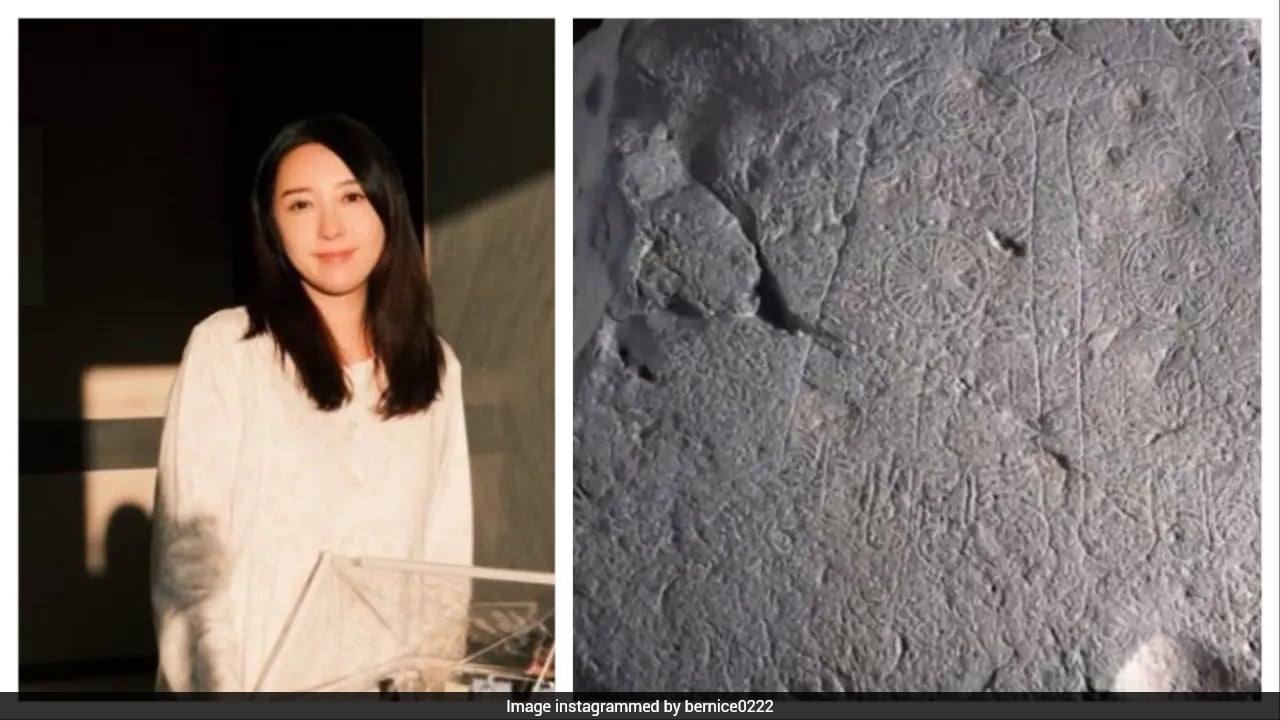
When news broke that Taiwanese television host Tsai Yi-chen was arrested at Kansai International Airport for pouring a mystery liquid onto Nara’s ancient Buddha’s Footprint Stone, the public mob went straight for the lazy hot takes: Entitled celebrity disrespects foreign culture for social media clout.
The media immediately churned out cookie-cutter outrage pieces detailing the horrors of tourism vandalism. Netizens demanded lifetime travel bans. Pundits threw around buzzwords about a global epidemic of bad behavior abroad.
It is a comfortable story. It is also entirely wrong.
If you look past the sensationalized headlines, you discover an uncomfortable reality: this incident was not about clout, internet fame, or simple ignorance. It exposes a massive structural collapse in how global heritage sites manage sacred artifacts, a fundamental misunderstanding of ritual practice, and the quiet failure of modern cultural preservation.
The Ritual Misunderstanding No One Wants to Discuss
The public fixated instantly on the liquid itself. Glycerin. Police found traces of cosmetics-grade glycerin on the 8th-century Bussokuseki stone at Yakushiji Temple. Outrage merchants treated it like she threw industrial acid onto the Mona Lisa.
Lost in the hysteria was her statement to Japanese authorities: "I pour oil and pray over things that move me emotionally."
I have spent years covering cultural friction points across Asia, and I have seen this precise pattern repeat. Across multiple Asian spiritual traditions—from South Asian Abhishekam to various folk Taoist and syncretic Buddhist customs—anointing sacred stones with oils, water, or milk is not an act of vandalism. It is the ultimate expression of devotion.
Was it reckless to pour anointing oil on an eighth-century National Treasure? Absolutely. But treating ritual devotion as criminal malice misses the entire point.
The mainstream press wants you to believe this is a story about a narcissistic influencer acting out. The truth is much more complex: it is a collision between modern legal definitions of heritage and ancient, living ritual practices. By framing her actions as mere hooliganism, media outlets shield themselves from discussing the real issue—the failure of heritage management to bridge the gap between static museum pieces and living worship.
The Security Illusion at World Heritage Sites
Here is the dirty secret that historic sites rarely admit: thousands of priceless artifacts sit virtually unprotected, relying on nothing more than honor systems and security cameras that only work after the damage is done.
The incident occurred on April 6. The arrest happened four months later, in late August, when the suspect re-entered Japan through an airport checkpoint.
Think about what that timeline actually reveals.
A visitor was able to walk into one of Japan’s most celebrated UNESCO World Heritage temples, pull out a vial of oil, douse an irreplaceable 1,300-year-old stone carving, and walk out completely undetected by on-site staff. The system did not stop the act. It merely recorded a video so authorities could catch her months later if she happened to return.
Imagine a scenario where a private museum left a $50 million painting exposed to the open air with no physical barrier, zero staff monitoring, and a single CCTV camera pointing at the frame. If a visitor walked up and touched it, we would not just blame the visitor—we would destroy the museum management for gross negligence.
Yet, because Yakushiji is an ancient temple, the media grants them a pass.
Heritage boards routinely spend millions on marketing campaigns to drive mass tourism while skimping on basic physical safeguards. A simple glass enclosure or a dedicated guard would have prevented this entire event. Instead, sites rely on reactive criminal prosecution to cover up for proactive conservation failures.
Why Mass Tourism Outrage Is a Shield for Structural Neglect
The public loves a scapegoat because punishing an individual requires zero effort from the institution.
When the headlines focus exclusively on a single celebrity’s arrest, temple administrators and tourism boards get to play the victim. They do not have to answer tough questions:
- Why are National Treasures exposed to open-air touch when millions of international tourists pass through annually?
- Why is there no clear, multilingual signage explaining the physical vulnerability of ancient stone relics?
- Why do security protocols rely on airport border control rather than real-time intervention?
The easy consensus tells you that harsher penalties will deter bad behavior. It is a comforting myth. Stiffer fines and criminal charges will not stop a tourist who genuinely believes they are performing a sacred act of worship. Education, structural barriers, and active site management stop these incidents.
Until cultural institutions invest in actual physical protection instead of relying on performative outrage after the fact, our history will remain one stray bottle of liquid away from destruction.
Stop blaming the madness of individuals for the predictable failures of an unprepared system.