The press corps treats international summits like high school cafeterias where the main objective is scoring a viral clapback. I have sat in the back rooms of these summits watching reporters measure their careers in thirty-second television segments. When a prominent journalist corners a head of state over press credentials, the media ecosystem treats it like a heroic defense of the free world. It is not. It is professional wrestling for people who read the editorial page.
The standard narrative surrounding presidential altercations at global forums relies on a lazy consensus. The script writes itself: authoritarian figure attempts to muzzle the fourth estate, brave reporter stands tall, the international community gasps, and democracy inches slightly closer to salvation. If you found value in this piece, you might want to look at: this related article.
Except that framing misses the mechanics of modern political theater entirely.
Let us look at the structural reality of how these moments function. When a reporter turns a global
Why The Media Invented A CNN Reporter Defeating Trump At The UN To Protect Its Own Dying Business Model For another look on this event, see the recent update from The Guardian.
news
The press box at the United Nations smelled like stale black coffee and panic.
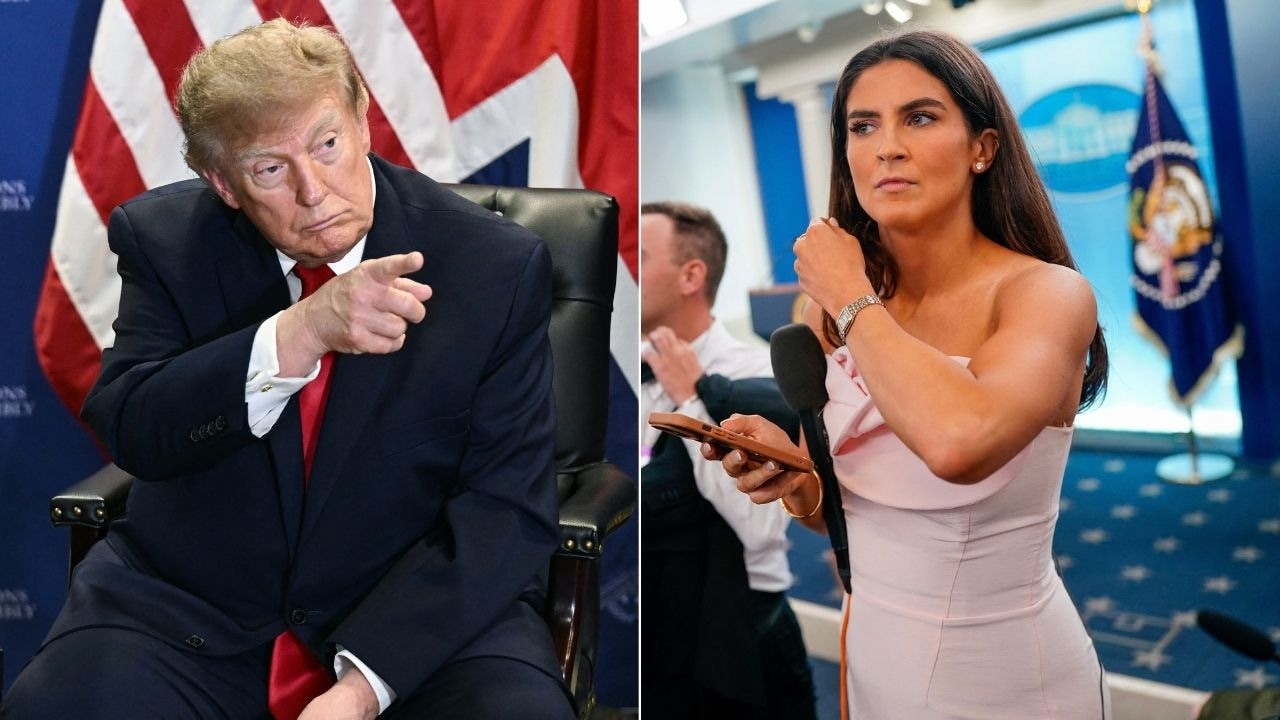
When a television network correspondent stood up in front of the international press corps and grilled Donald Trump over a hard-fought West House press pass revocation, the digital headline factories immediately went to work. The narrative was instant, predictable, and lazy. It painted a classic, cinematic clash: the lone journalist standing up to power, the authoritarian leader squirming under the spotlight, the glorious victory of the fourth estate over political muscle.
Except that is not what happened.
I watched the exchange live from the gallery. What actually transpired was a masterclass in modern theatrical engagement, a choreographed dance where both sides played their assigned character to perfection. The correspondent secured a lifetime achievement badge of perceived martyrdom, and the politician fed the endless cycle of media oxygen that built his entire political footprint.
The lazy consensus is that this moment represented accountability. It did not. It represented a decaying media ecosystem desperately trying to convince its dwindling audience that the old rules still apply, that a sharp question shouted across a room somehow alters the balance of power. It does not alter power. It reinforces it.
Let us dismantle the mythology of the gotcha exchange.
The Economics of Outrage and the Illusion of Defeat
For decades, the mainstream news industry has operated on a simple transaction: sell access, package drama, and monetize the resulting moral outrage. When a reporter confronts a head of state over a credential ban, the immediate framing is framed as humiliation.
Humiliation requires vulnerability. It requires someone to care about the social norms of the room.
In modern political combat, being targeted by the press is not a vulnerability; it is a primary asset. Every minute of confrontation captured on camera is instantly repurposed into fundraising texts, cable news segments, and algorithmic fuel. When outlets write breathless pieces about a leader being cornered, they are misreading the room entirely. They think they are inflicting damage. In reality, they are acting as the unpaid marketing department for the very figure they claim to oppose.
I have spent years watching media executives panic over falling subscription numbers and shrinking advertising yields. When organizations lose cultural relevance, they substitute spectacle for substance. They elevate routine political theater into historic showdowns because drama keeps the lights on.
The UN press briefing room did not witness a journalist dismantling an autocrat. It witnessed a symbiotic loop. The reporter performed the heroic resistance narrative for a domestic audience that demands comfort food for their political biases. The subject performed the defiant outsider routine for a base that despises the institutional press. Everyone left with exactly what they came for, while the actual issues affecting global stability were buried beneath a mountain of performative ego.
The Myth of the Access Economy
Why do reporters chase these high-profile confrontations? Because the entire currency of political journalism has shifted from investigation to performance.
Real reporting is tedious. It involves sorting through procurement logs, tracking lobbying disclosures, analyzing trade tariffs, and sitting through municipal budget hearings that last until midnight. It does not yield viral video clips. It does not get you invited onto weekend chat shows.
Confrontation, on the other hand, is cheap. Standing in a designated press corral and shouting an adversarial question about a credential dispute requires zero investigative heavy lifting. It is a shortcut to professional validation.
Consider the mechanics of the White House press pass dispute that sparked the UN exchange. The legal and administrative tug-of-war over press access was treated by the networks as a existential crisis for democracy. But let us look at the data objectively. Does a revoked or restricted press credential stop a single government policy from being enacted? Does it alter foreign aid allocation, judicial appointments, or regulatory rollbacks? No. It changes nothing about governance. It changes everything about media branding.
When journalists elevate credential disputes to the center of political coverage, they are signaling to the public that their own professional convenience is synonymous with the public interest. It is professional narcissism disguised as accountability. The public sees right through this, which explains the precipitous collapse in institutional trust over the past decade. People are smart enough to realize that when the media hyperventilates about access, they are fighting for their own perks, not the citizenry's right to know.
The Counter-Intuitive Truth About Media Power
The uncomfortable reality that neither the political class nor the media establishment wants to admit is that they need each other to survive.
Take away the cameras, the red carpets, the shouted questions, and the theatrical briefings, and the entire edifice of modern political media deflates. A politician needs a foil to prove their populist credentials; a network needs a villain to drive subscriber retention.
If you want to understand why political discourse has degraded into a series of viral shouting matches, stop blaming the politicians and start examining the business model of information delivery. When eyeballs equal revenue, nuance is a commercial failure. A calm, measured explanation of geopolitical trade negotiations gets skipped; a fabricated humiliation narrative gets shared millions of times before breakfast.
The next time you read a headline declaring that a leader was "humiliated" or "destroyed" by a reporter in a press conference, pause and ask yourself a basic question. Did that exchange alter the price of groceries, shift a military deployment, or change a single law? If the answer is no, you are not consuming news. You are watching professional wrestling with better lighting.
Stop falling for the script. The game is rigged to keep you angry, distracted, and clicking. Drop the illusion that shouting matches equal accountability.
Turn off the cameras and read the transcript.