Everyone watching the televised broadcast of the Pope's South America homecoming saw the crowds, the banners, and the waving from the popemobile. Most commentators spent their airtime dissecting the logistics of a grueling multi-stop schedule or repeating vague summaries of his public addresses. They completely missed the real story. Beneath the pageantry of a papal return to South America sat a far more urgent reality—a leader stepping directly into the public eye to quiet weeks of intense global anxiety following a cancer scare.
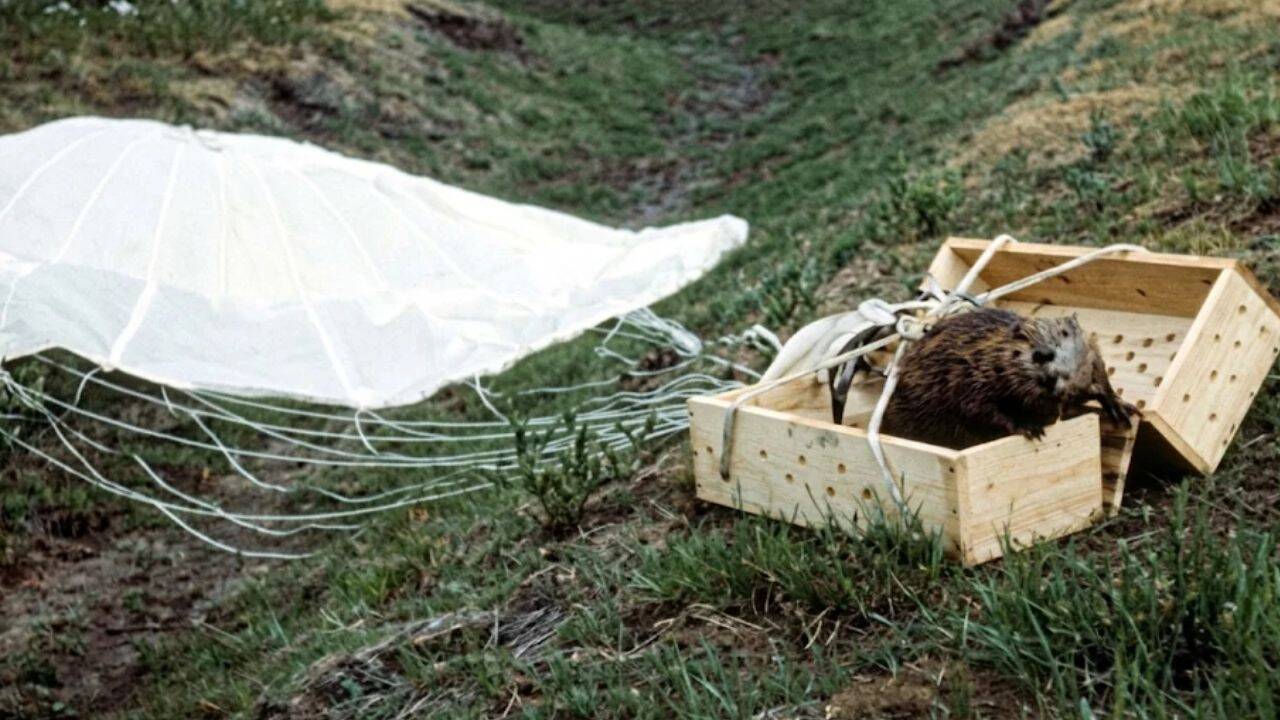
When health rumors swirl around the Vatican, silence usually fuels panic. Traditional diplomatic protocol dictates tight-lipped medical bulletins, carefully vetted press briefings, and controlled appearances from a balcony in Rome. Doing the exact opposite by boarding a long-haul flight across the Atlantic and enduring back-to-back public appearances in South America wasn't just a pastoral itinerary. It was a calculated demonstration of stamina meant to reassure the faithful in real time. You might also find this connected coverage useful: The Day the Sky Rained Rodents in Idaho.
Why a South America Homecoming Carried Extra Weight
You can't separate the geography of this trip from the medical rumors that preceded it. South America isn't just another stop on the Vatican's diplomatic calendar; it's the heartland of modern global Catholicism and a region where personal presence matters infinitely more than written encyclicals.
If you've ever covered international church affairs or watched how regional bishops communicate with Rome, you know that distance breeds skepticism. When news of a cancer scare hits the wires, parishes thousands of miles from St. Peter's Square don't read between the lines of Latin-infused press releases. They want to see how the man walks, how steady his voice sounds during an unscripted greeting, and whether he looks fatigued under the midday sun. As discussed in detailed reports by The Washington Post, the implications are widespread.
Returning to South America turned every public Mass and motorcade into an undeniable visual checkup. Crowds lined the streets not merely to celebrate a homecoming, but to witness firsthand that the leader of their church was still standing, still sharp, and still willing to show up in person.
The Optics of Endurance vs. Vatican Secrecy
Historically, papal health has been treated like a state secret until a crisis becomes impossible to hide. That old playbook fails in an era of instant smartphone video and twenty-four-hour speculation.
By choosing a demanding travel schedule right after a cancer scare, the Vatican bypassed the rumor mill altogether. You don't fake the physical toll of crossing time zones, standing through hours of liturgy, and greeting local dignitaries without a break. Every smile from the steps of the aircraft and every steady handshake along the barricades functioned as direct proof of recovery.
Honestly, it's a bold gamble. A single stumble on camera or a cancelled afternoon event would have confirmed every worst-case scenario circulating online. Instead, completing the itinerary shifted the narrative from quiet worry to visible resilience.
Breaking Down What Actually Happened During the Cancer Scare
Whenever the word "cancer" enters a headline involving a sitting pontiff, search traffic explodes with the same immediate questions. People want to know how severe the diagnosis was, whether the travel schedule was cut back, and what the long-term prognosis means for church governance.
Let's be clear about what separates verified medical reality from breathless commentary. A cancer scare—whether it involves diagnostic screenings, precautionary biopsies, or early-stage medical intervention—triggers immediate institutional contingency planning inside the Roman Curia. Even when doctors clear a patient for normal duties, the public hears the word "cancer" and assumes imminent decline.
During this South America homecoming, the reassurance offered to the faithful wasn't delivered through a dry clinical chart. It came through direct, unvarnished acknowledgment of human vulnerability paired with visible action.
- Direct presence over proxy statements. Instead of delegating key homilies to accompanying cardinals, the Pope maintained front-and-center participation across major stops.
- Unscripted moments with crowds. Brief stops to bless children, accept local gifts, and speak off the cuff carried far more weight than prepared diplomatic speeches.
- Consistent pacing. Rather than rushing through appearances to retreat behind closed doors, the schedule kept steady momentum from arrival through departure.
Most people get tripped up thinking that leadership requires projecting invincibility. In reality, acknowledging a health scare while continuing to work creates a deeper bond with ordinary people who face the exact same medical anxieties in their own families.
How Global Audiences Misread Papal Health News
If you follow international coverage of the Vatican closely, you notice a recurring pattern. Secular outlets treat every papal health update like a corporate succession drama, immediately pivoting to speculation about future conclaves and rival factions in Rome. Meanwhile, devotional outlets sometimes gloss over legitimate medical concerns to paint an overly rosy picture.
Both approaches miss the mark.
To understand what a post-scare homecoming actually signals, you have to look at three concrete indicators rather than pundit chatter:
- Schedule integrity. Did the Vatican quietly drop outdoor events, shorten motorcade routes, or replace public audiences with private meetings? Holding the line on outdoor, high-energy gatherings is the clearest sign that medical teams weren't worried about acute exhaustion.
- Vocal clarity and unscripted remarks. Anyone who has watched elderly public figures recover from serious medical scares knows the voice gives everything away. Reading a teleprompter is one thing; fielding spontaneous greetings and altering remarks on the fly requires real cognitive and physical reserve.
- Post-trip momentum. The true test of a demanding South American tour happens in the days immediately after the return flight lands in Rome. Resuming regular weekly audiences without an extended unannounced disappearance confirms the trip wasn't a final farewell tour, but business as usual.
Why Personal Vulnerability Resonates Across South America
There's a cultural dimension here that European and North American analysts consistently underestimate. Across South America, religious devotion isn't abstract or purely institutional. It's deeply personal, tactile, and rooted in shared human struggle.
When a pontiff returns home after a cancer scare and speaks openly about fragility, prayer, and pushing forward, millions of people hear their own family stories reflected back at them. They aren't analyzing canon law or Vatican bureaucracy. They're looking at an elder who faced a frightening medical cloud, leaned on faith and medicine, and kept his promise to come back.
That kind of connection can't be manufactured by a communications team. You either show up and earn it, or you stay behind closed doors and let rumors write your legacy.
What Comes After the Homecoming Flight Lands
Concluding a major international trip after a health scare doesn't erase the reality of aging, nor does it mean medical monitoring stops once the plane touches down in Rome. Smart observers keep their eyes on practical, verifiable signs rather than dramatic headlines.
If you want to track how the Vatican handles papal health and global travel moving forward without getting sucked into clickbait speculation, focus on three specific habits. First, rely on primary transcripts and full video feeds from Vatican News rather than cropped social media clips that strip away context. Second, watch the official calendar released by the Holy See Press Office for upcoming apostolic journeys—new international commitments are the strongest proof that doctors and advisors expect sustained stability. Third, pay attention to how local dioceses across South America follow up on the pastoral themes emphasized during the visit, because the lasting impact of any papal homecoming lives in parish-level action long after the media trucks pack up and leave.