Every modern scandal has a standard playbook. A tragedy occurs, a complex web of high-finance, political proximity, and institutional failure gets reduced to a flat, binary cartoon, and the media industrial complex feasts on the carcass.
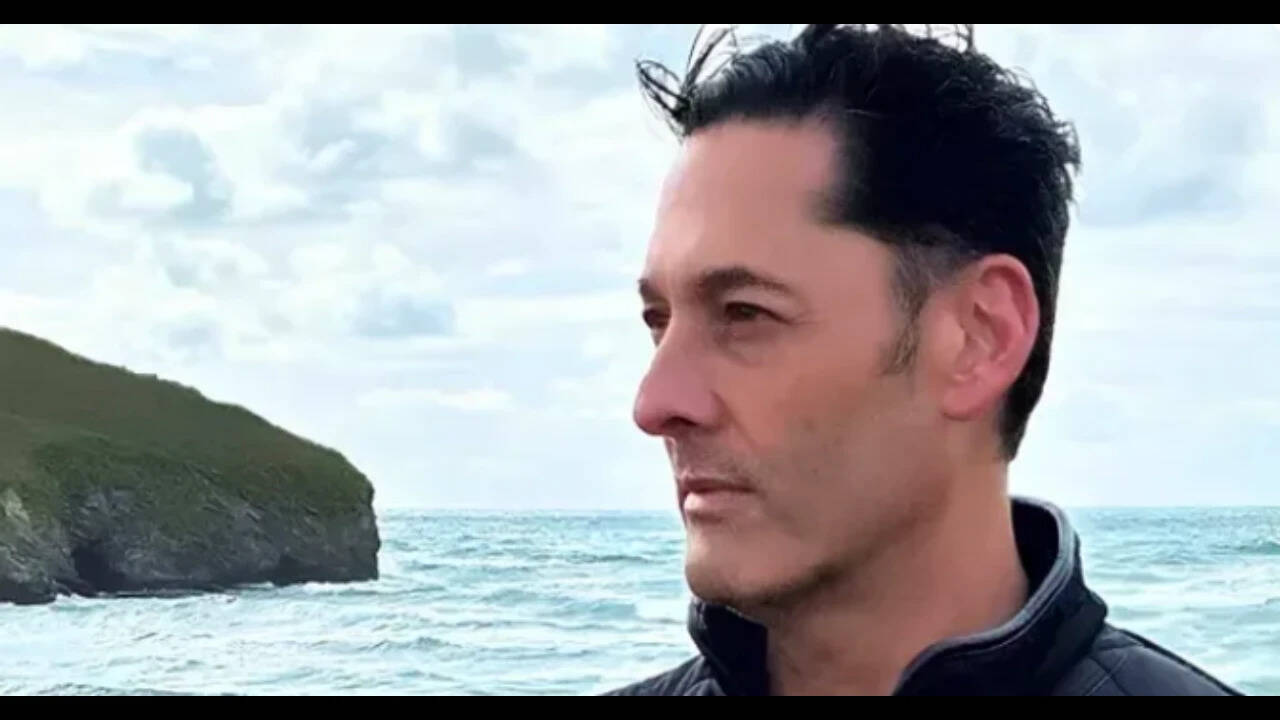
The internet is currently awash in breathless reporting about Simon Andriesz, a British individual flagged for his connection to Howard Lutnick who tragically died by suicide, accompanied by a flurry of GoFundMe links for his son. The lazy consensus across the digital ecosystem is simple, predictable, and lazy: connect a tragic death to a billionaire power broker, sprinkle in a heavy dose of Epstein-era mystique, and watch the traffic roll in.
Let us stop right there and dismantle the narrative.
I have spent decades watching how financial power structures operate behind closed doors. I have seen how institutional machinery chews up individuals, how proximity to power gets weaponized by headline-chasers, and how real human devastation gets co-opted to feed an algorithm. What is happening with the coverage of Simon Andriesz is not investigative journalism. It is a predatory circus masking itself as accountability.
The Anatomy Of A Lazy Narrative
The core failing of the standard reporting on this situation is the casual conflation of proximity with conspiracy. When a figure like Howard Lutnick—a heavyweight in Wall Street and government circles—gets dragged into a news cycle via a tragic suicide, the immediate reflex of modern commentary is to draw a straight line between unrelated dots.
Let us define terms precisely. Proximity is not complicity. Association is not indictment. In the hyper-connected ecosystem of global finance, thousands of individuals brush shoulders with high-profile executives, political donors, and controversial figures over decades. To suggest that every personal tragedy or institutional fallout within that orbit is part of a grand, sinister cover-up is to misunderstand how power, mental health, and human fragility actually intersect.
The media wants you to believe in a neat cinematic universe where billionaires pull strings and whistleblowers are dramatically silenced. Real life is far messier, far more boring, and infinitely more tragic.
Institutions fail people quietly. Bureaucracies grind down mental health without requiring a Bond villain villainous monologue. When a man takes his own life, reducing his existence and his final moments to a footnote in a political slugfest or a weapon to damage a financial executive is an insult to his memory. Yet, the public consumes it because outrage sells better than nuance.
The Crowdfunding Paradox
Consider the secondary pillar of these viral stories: the rapid-fire deployment of crowdfunding campaigns for grieving families. On paper, raising money for a surviving child is a noble act of community support. In practice, when tied to sensationalized media coverage, it creates a perverse incentive structure.
When a GoFundMe page gets attached to a high-octane political or financial conspiracy theory, donations spike not out of pure empathy, but because donors want to buy a ticket to the show. They want to feel like they are participating in an uprising against the elite.
I have seen companies and campaigns blow millions on manufactured outrage cycles. The money flows where the narrative is hottest, and the truth gets buried beneath a mountain of shares, retweets, and self-righteous commentary. By turning a family's private grief into public theater, we strip away their dignity. We turn a human being into a hashtag.
Dismantling The Whistleblower Label
We need to talk about the casual misuse of the word whistleblower. In contemporary discourse, anyone who raises an internal flag, disputes an executive decision, or possesses uncomfortable information gets slapped with the title of whistleblower.
True whistleblowing is a rigorous, legally defined act involving systematic exposure of illegal or corrupt practices through established channels or verified public disclosures. Throwing the term around loosely to spice up a headline devalues actual whistleblowers who put their lives and careers on the line to expose structural fraud.
When outlets label someone a whistleblower without clear, verifiable evidence of institutional wrongdoing—relying instead on unconfirmed allegations and circumstantial proximity—they do a disservice to the public's right to know. They trade verified facts for atmospheric insinuation.
What You Should Actually Focus On
If you want to understand how power works, stop looking for shadow cabals in every tragedy. Look at the mundane, grinding failures of our social safety nets. Look at the corporate cultures that isolate individuals under immense pressure. Look at how easily public grief gets monetized by opportunistic commentators who care more about engagement metrics than human life.
The contrarian truth is this: the system didn't need a grand conspiracy to produce a tragedy. The grinding indifference of modern capitalism, combined with an opportunistic media that treats human suffering as content, does the job just fine on its own.
Next time you see a headline linking a tragic death to a billionaire's orbit, ask yourself who benefits from the sensationalism. It certainly isn't the family left behind. It certainly isn't the truth.
Stop clicking on the circus. Start demanding better from the people who report the news.


