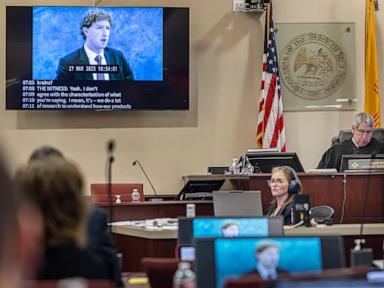
Meta is currently locked in a high-stakes game of chicken with the state of New Mexico, signaling that it may pull its services from the region rather than comply with aggressive new child safety mandates. This standoff isn't just about regional court filings; it represents a fundamental fracture in how big tech intends to fight state-level regulation. At the heart of the dispute is a lawsuit filed by New Mexico Attorney General Raúl Torrez, which alleges that Meta’s platforms have become breeding grounds for child exploitation. Meta’s response—threatening a "dark mode" for an entire state—is a scorched-earth legal tactic designed to chill similar efforts across the country.
The friction began when New Mexico leveled accusations that Meta’s recommendation algorithms actively connect predatory adults with minors. This isn't the usual grumbling about screen time or mental health. These are specific, heavy-duty allegations of systemic failure in moderating the most sensitive corners of the internet. Meta, rather than simply contesting the facts of the case, has turned toward the "shutdown" defense. It argues that if the state's demands for monitoring and liability are met, the platform becomes legally and operationally impossible to maintain within those borders.
The Architecture of the Exit Threat
When a tech giant mentions leaving a market, they aren't just talking about flipping a switch. They are making a calculated threat based on the cost of compliance versus the loss of user data and ad revenue. For Meta, New Mexico is a small slice of the global pie, but it serves as a laboratory for legal precedent. If New Mexico wins, forty-nine other states will follow the same blueprint. Meta’s lawyers understand that losing here means the end of their current algorithmic autonomy.
The strategy relies on a narrow interpretation of Section 230 of the Communications Decency Act. By claiming that New Mexico's safety requirements essentially force Meta to become an editor of all content, the company positions itself as an entity being asked to perform the impossible. They want the public to believe that protecting children is a technical hurdle that, if cleared, would break the very nature of social networking. It is a cynical maneuver. It frames the safety of minors as a feature that is incompatible with the product's existence.
The Algorithmic Trap
To understand why Meta is willing to threaten an entire state, you have to look at the math that powers Instagram and Facebook. The recommendation engines are built to maximize engagement. In many cases, the same code that suggests a new cooking video to a hobbyist is the code that connects a bad actor to a vulnerable teenager. These systems don't have a moral compass; they have a target.
Data Silos and Regional Bans
Implementing a state-specific ban is a logistical nightmare that Meta would rather avoid, but it remains their most potent weapon. They have used this playbook before. In Canada, they pulled news content to avoid paying publishers. In Australia, they did the same. The "New Mexico Shutdown" is the evolution of this strategy. By threatening to cut off communication tools, small business advertising, and social connections, Meta is attempting to turn the local population against their own Attorney General.
It creates a political cost for safety regulation. A governor or attorney general might want to protect children, but they don't want to be the person who "broke Facebook" for every voter in the state. This is power politics disguised as legal necessity.
The Reality of Content Moderation at Scale
The company often points to its billions of dollars in safety spending and its thousands of moderators. Yet, the New Mexico lawsuit highlights a recurring theme in the industry: human moderators are often a secondary defense against a primary system designed for speed and volume. When the algorithm moves faster than the safety checks, the safety checks are effectively nonexistent.
Meta’s defense rests on the idea that they are a neutral platform. But a platform that suggests users to one another is not neutral. It is an active participant in the social discovery process. If those discoveries lead to harm, the "neutrality" defense starts to look like a convenient legal fiction.
The Financial Calculation
From an analyst's perspective, the risk to Meta's bottom line in New Mexico is negligible. The real risk is the "contagion" of regulation. If New Mexico successfully mandates that Meta must proactively prevent predatory encounters through specific engineering changes, the company’s entire global infrastructure would require a massive, expensive overhaul.
- Engineering Costs: Redesigning algorithms to prioritize safety over engagement metrics.
- Legal Liability: Opening the floodgates for thousands of individual lawsuits if a single minor is harmed.
- Operating Precedent: Allowing a state government to dictate the user interface and backend logic of a global product.
Meta prefers the threat of a blackout because it is cheaper than a total systemic redesign. They are betting that the judicial system will see their departure as too high a price for the public to pay.
The Ghost of the Privacy Shield
We have seen this movie before in the European Union. For years, Meta threatened to pull Facebook and Instagram out of Europe due to disagreements over data transfers and the Privacy Shield framework. They haven't left. Why? Because the market was too big. New Mexico, however, is not the EU. It is small enough to be used as an example. If Meta follows through, it sends a message to every other state legislature: "Back off, or your constituents lose their digital lives."
This isn't about technology limitations. It is about corporate sovereignty. Meta is testing whether it can exist above the laws of individual states by leveraging its role as essential social infrastructure.
A Failure of Federal Oversight
The reason New Mexico is the current battleground is the vacuum left by the federal government. Without a comprehensive federal data privacy and child safety law, states are forced to act as individual laboratories for regulation. This creates a "patchwork" of laws that tech companies hate, but it also gives those companies an opening to bully smaller jurisdictions.
If there were a clear, national standard for what constitutes "reasonable care" in platform design, Meta wouldn't be able to single out New Mexico. Instead, we have a fragmented legal environment where a company with a trillion-dollar market cap can effectively hold a state's digital ecosystem hostage.
The Human Cost of the Legal Battle
While lawyers argue over jurisdictional reaches and Section 230, the underlying issue remains unsolved. The evidence presented in the New Mexico filings is harrowing. It describes a system that is not merely failing to stop harm but is, in some instances, facilitating it through automated suggestions.
Meta claims that its tools are working and that it has removed millions of accounts. The Attorney General counters that removing accounts after the harm has occurred is a failed strategy. The lawsuit demands a proactive shift—a fundamental change in how the machine thinks.
The Bluff or the Brink
Is Meta actually going to pull out of New Mexico? Probably not. The logistical hurdles of geofencing an entire state and the resulting PR disaster would be immense. However, the threat is the point. It is a signal to the court that the requested remedies are, in Meta's view, "extinction-level" events for their business model.
They want the judge to fear the consequences of a ruling against them. They are painting a picture of a world where safety laws result in the loss of service, forcing the court to weigh the protection of children against the convenience of a social network.
The Path Toward Accountability
The standard defense of "we are doing our best" is no longer sufficient in a world where the harms are documented and repeatable. The New Mexico case is a test of whether a corporation can be held responsible for the predictable outcomes of its own software.
If the courts side with the state, it will signal that the era of the "unregulated algorithm" is over. It will mean that companies must account for the social consequences of their engineering choices. Meta’s threat to leave is the last gasp of a business model that thrived on the absence of responsibility.
The strategy is clear: make the cost of regulation so high—and the social consequences so visible—that the government flinches. New Mexico's Attorney General is betting that the safety of the state's children is worth the risk of a platform blackout. Meta is betting that the public's addiction to the feed will ultimately protect the company's right to operate exactly as it sees fit.
The tension between state-level safety mandates and the operational reality of global platforms has reached a breaking point. If a single state can force a tech giant to fundamentally alter its code, the power dynamic of the last twenty years has been permanently upended. Meta knows this. That is why they aren't just fighting a lawsuit; they are fighting for the right to remain the sole architects of their digital domain, regardless of who gets caught in the gears.
Investors and users alike should watch the New Mexico docket not for the legal jargon, but for the precedent of exit. If Meta decides that one state is an acceptable sacrifice to protect its broader empire, the map of the internet will begin to fracture along political lines. This is the moment where the "global village" meets the reality of local law.
The move by New Mexico to hold a platform accountable for the specific, automated interactions it facilitates represents a shift from content moderation to design liability. It is a move that says the product itself is defective. Meta’s response is to say that if the product is defective, it will simply be taken off the shelf—and they are hoping the public finds that prospect even more frightening than the risks currently lurking in their children's pockets.
The next phase of this battle will likely involve a flurry of motions to dismiss, centered on the idea that the state is overstepping its bounds. But the narrative has already shifted. The conversation is no longer about whether platforms should be safe; it is about whether they are allowed to be dangerous as a condition of their existence.
Governments and parents must now decide if the convenience of a connected world justifies a system that its own creators claim cannot be made safe without being destroyed. This isn't a technical dilemma. It is a moral one. And for the first time, a state is calling the bluff of the men who built the machine.