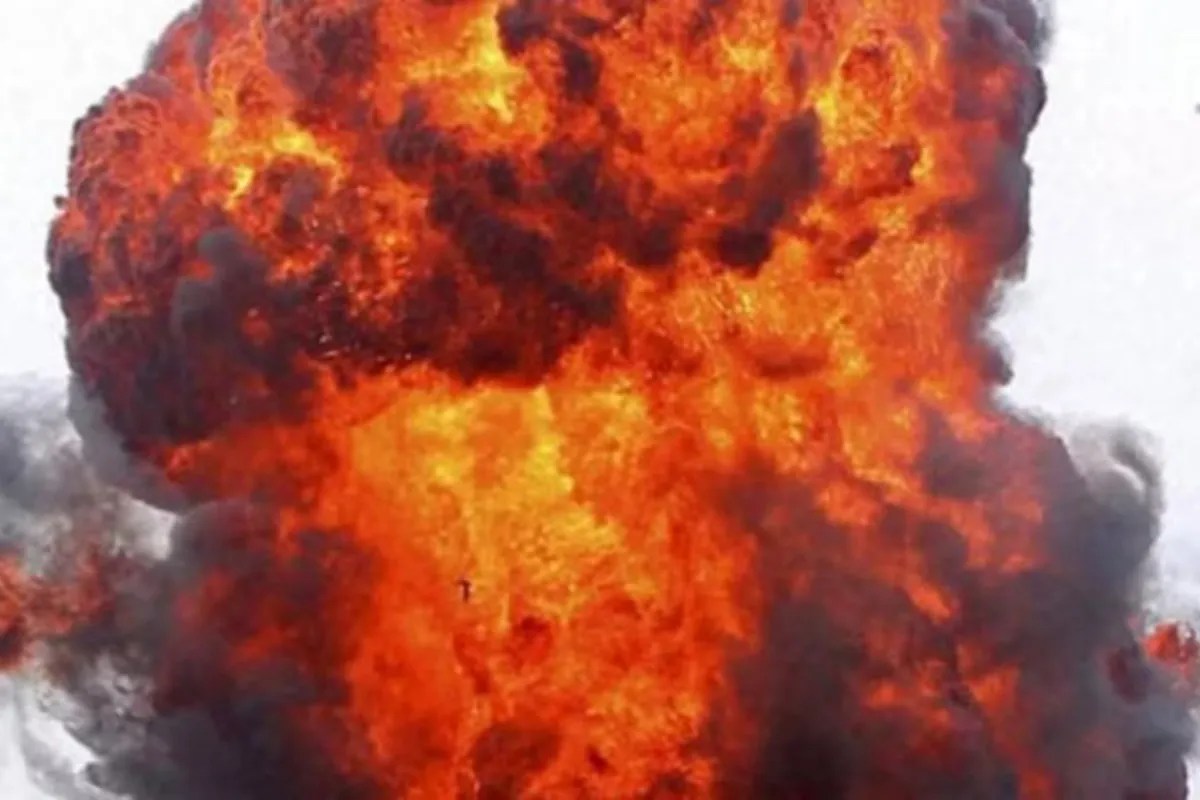
A series of massive blasts at military depots across Syria has turned what should be routine security management into a terrifying recurring nightmare for local residents. When an ammunition stockpile goes up in smoke, the immediate casualty count is only part of the story. The real crisis lies in the structural decay, poor storage conditions, and unaddressed safety protocols that plague military sites from Idlib to Aleppo.
Let's look at what actually happens on the ground when these temporary and permanent facilities detonate. For a closer look into similar topics, we suggest: this related article.
The Anatomy of a Depot Disaster
Ground zero usually starts with a localized spark or a minor fire in a poorly ventilated storage hangar. Because many of these facilities sit close to civilian centers or inside repurposed buildings, the margins for error are zero. When you cram thousands of rounds of aging mortar shells, loose explosives, and war remnants into a makeshift depot, you aren't storing ordnance—you're lighting a slow-burning fuse.
Take the incident near Sarmada in the Idlib province, where a temporary ammunition facility blew up, killing 14 defense personnel and injuring over a dozen others. Witnesses didn't just hear a single loud bang. They heard a chaotic chain reaction of secondary explosions that lasted for hours. Rockets cooked off and launched blindly into the night sky, flying in completely random directions. That kind of unpredictable hazard keeps firefighters miles away because stepping into the blast radius is basically a suicide mission. For additional background on the matter, detailed analysis can also be found on USA Today.
Why This Pattern Keeps Repeating
You can't talk about these explosions without addressing the systemic neglect of military infrastructure. Decades of continuous conflict left behind mountains of uncoordinated ordnance. When control of these regions shifted, stockpiles were often consolidated into makeshift warehouses without modern safety standards, temperature control, or professional inventory management.
Local defense ministries frequently point to accidental fires or deteriorating munitions. But political analysts and security experts note that when incidents pile up within a single month—stretching from Idlib to the southern countryside of Aleppo—coincidence stops being a valid excuse. Whether the root cause is negligence, poor handling, or external security breaches, the outcome is identical: terrified civilians running for interior rooms, dragging up old trauma from years of civil war.
The Human Toll and Regional Anxiety
For families living near these military sites, the psychological weight is unbearable. Residents in Aleppo have described huddling together as rockets whizzed overhead, unsure if their home would be the next one hit by stray shrapnel. It brings back raw memories of airstrikes and front-line artillery, even though the threat is now coming from inside the government's own logistical footprint.
At the same time, regional tensions complicate everything. With external actors regularly active in Syrian airspace and regional friction remaining high, every unexplained blast invites speculation about covert strikes versus internal incompetence. Yet, official bodies often hesitate to point fingers, sometimes because admitting a catastrophic internal safety failure is politically riskier than leaving the cause ambiguous.
If the new authorities want to stabilize the country, securing these volatile munitions dumps has to be a top priority. Until old, unstable ordnance is systematically neutralized or moved far away from population centers, these ticking time bombs will keep detonating—taking lives and shattering whatever fragile peace communities managed to rebuild.