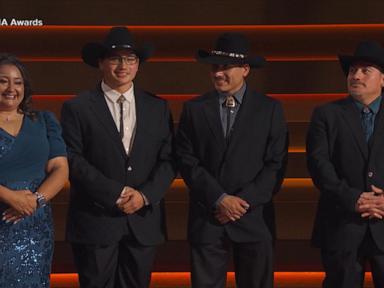
Everyone tunes into the Country Music Association Awards expecting rhinestone suits, powerhouse vocal runs, and a few predictable acceptance speeches. Nobody turns on the broadcast expecting to ugly-cry into their popcorn on a Wednesday night. Yet when a military family gets the surprise of a lifetime at the 2026 CMAs, the entire room—from A-list headliners in the front row to the crew working the soundboard—stops breathing for a second.
It happens fast. One minute you're watching a standard televised tribute or a mid-show presentation, and the next, a service member walks out from behind the stage curtain to embrace a spouse or a kid who thought they were thousands of miles away. If you've ever searched for the viral clip of that 2026 CMA military family surprise, you already know why it dominated social media feeds the morning after the show. Country music and the U.S. armed forces have shared an inseparable bond for decades, and live television moments like this strip away all the industry polish to remind viewers what the genre actually claims to stand for.
What Really Happened During the 2026 CMA Military Family Moment
Live award shows run on a razor-thin schedule. Producers count seconds like currency, cutting acceptance speeches short with orchestral swells the moment someone thanks their third-grade music teacher. So when the Country Music Association carves out prime broadcast minutes for an unscripted family reunion, you know it wasn't a last-minute filler segment.
The setup usually looks simple on camera. A military spouse and their children are invited to the Bridgestone Arena in Nashville under the guise of receiving community recognition, sitting in VIP seats, or representing a veteran support organization. Cameras pan to them during a transition. The host or a performing artist acknowledges their sacrifice, the crowd erupts into a standing ovation, and then the arena doors open.
Here is what you don't see on the broadcast feed. Pulling off a live television surprise without tipping off the family requires weeks of coordination between CMA producers, publicists, and military public affairs officers. Every flight delay, security clearance, and backstage escort has to line up down to the minute. If a kid spots a familiar pair of boots near the catering tent two hours before air, the whole thing unravels.
Why Country Music Keeps Returning to Military Tributes
Skeptics love to roll their eyes at televised patriotism. Spend five minutes on music Twitter during any November broadcast, and you'll find plenty of critics calling these segments manipulative or overly sentimental. Honestly, I get why people raise an eyebrow at corporate television networks monetizing emotional moments. Commercial breaks still have to be sold, and ratings matter.
Even so, dismissing the connection between Nashville and military families misses the actual demographics of the audience. Country music doesn't just market to service members—it pulls directly from the towns and families that supply the bulk of the country's enlisted personnel.
Look at the history of the genre. Artists like Craig Morgan, Zach Bryan, Jamey Johnson, and Sturgill Simpson didn't just write songs about wearing a uniform; they actually served. Organizations like the Grand Ole Opry and the USO have partnered on troop tours and stateside family initiatives since World War II. When a surprise reunion happens on the CMA stage, the artists sitting in the front row aren't reacting as actors. Half of them have brothers, cousins, or parents who spent months deployed overseas.
The Difference Between a Staged Bit and Genuine Emotion
Television audiences have a built-in radar for fake sentiment. You can spot a scripted reality-show tear from a mile away. What separates a live award show reunion from standard TV fluff is the sheer unpredictability of human shock.
When a seven-year-old realizes their parent isn't on a video call from an overseas base anymore, there's no rehearsed blocking. Kids bolt across the floor, drop whatever they're holding, and bury their faces in camouflage jackets while millions of people watch from their living rooms. Camera operators have to scramble just to keep them in frame. That raw, unscripted chaos is the exact opposite of the tightly choreographed performances surrounding it.
How Viral Award Show Clips Change the Way We Watch Live TV
Linear television ratings have taken a beating over the past decade, and award shows have felt the sharpest decline. Fewer people sit down to watch a three-hour broadcast from start to finish anymore. Instead, viewers consume the biggest moments the next morning through 90-second vertical clips on TikTok, Instagram Reels, and YouTube.
The 2026 CMAs proved once again that emotional, human-centered moments travel faster online than almost any musical performance. Think about how clips circulate after an award show wraps up:
- A great vocal performance gets shared mostly by existing fans of that specific artist.
- A controversial speech sparks a 24-hour argument among political commentators and music bloggers.
- A military family reunion crosses every demographic boundary, getting shared by grandparents on Facebook, college students on TikTok, and local news stations across the country.
Producers know this. While network executives obsess over live viewership numbers, digital teams measure success by total cross-platform impressions in the 48 hours following the telecast. A single genuine reunion generates more organic goodwill and replay value than a million-dollar pyrotechnic budget ever could.
Common Misconceptions About Televised Military Surprises
Whenever a clip like the 2026 CMA surprise goes viral, the same set of assumptions pops up in the comment sections. Having covered live entertainment and media production for years, I've noticed people routinely misunderstand how these moments come together.
Myth 1 The Military Pulls Soldiers Off Active Duty Early Just for TV
This is the biggest misconception out there. The Department of Defense doesn't alter deployment schedules or pull personnel out of active combat zones so a television network can get a good camera shot. When a service member appears on a live broadcast, they were already scheduled to return home on leave or rotate back stateside. Producers simply work with the family's existing homecoming window and coordinate the timing so the reunion happens at the venue rather than an airport terminal.
Myth 2 The Family Always Knows What Is Happening
People love to play detective online, claiming a spouse's reaction looks "too calm" or assuming everyone signed an NDA beforehand. In reality, producers go to extreme lengths to keep the primary family members completely in the dark. Usually, only one trusted relative or a military liaison knows the truth, and they're tasked with keeping the spouse busy and off social media during travel days.
Myth 3 It Is Just a Publicity Stunt for One Artist
While a singer or host often introduces the segment, the CMA handles these initiatives through broader industry partnerships—frequently working alongside nonprofits like Folds of Honor, Operation Finally Home, or CreatiVets. The goal isn't to boost one single's streaming numbers; it's to spotlight veteran charities and keep military families visible long after headlines move on.
What Makes Country Music Unique in Handling These Moments
Try picturing a surprise military homecoming happening in the middle of the Grammys or the MTV Video Music Awards. It would feel jarring, almost out of place against the tone of the rest of the broadcast. At the CMAs, it fits naturally because the genre's songwriting already revolves around blue-collar work, long absences, small-town ties, and family loyalty.
Country lyrics don't shy away from the mundane reality of waiting on someone to come home. Songs about empty chairs at the dinner table, missed birthdays, and counting down calendar days are staples of country radio. So when that exact storyline plays out in real time between commercial breaks, the music and the moment reinforce each other without needing a heavy-handed explanation.
How to Support Military Families Beyond Watching a Viral Clip
Watching a two-minute reunion video on your phone feels great, and there's nothing wrong with enjoying a genuinely moving television moment. Still, applause from a couch doesn't pay for mental health counseling, educational scholarships, or housing modifications for wounded veterans.
If the 2026 CMA moment stuck with you, put that energy somewhere practical:
- Vet charities before donating. Use independent watchdogs like Charity Navigator to verify how much of your dollar actually goes toward direct programs versus administrative overhead.
- Look into targeted organizations. Groups like Folds of Honor fund educational scholarships for spouses and children of fallen or disabled service members, while Operation Homefront provides direct financial relief and transitional housing.
- Support local veteran-owned businesses. Skip the generic Veterans Day social media post and spend money with former service members building companies in your own community.
Live television rarely surprises anyone anymore. Most broadcasts feel over-rehearsed, sanitized, and desperate for attention. That's precisely why a real family collapsing into each other's arms on the CMA stage cuts straight through the noise—it reminds everyone watching that behind every uniform and every patriotic song is an actual family just trying to get back under the same roof.