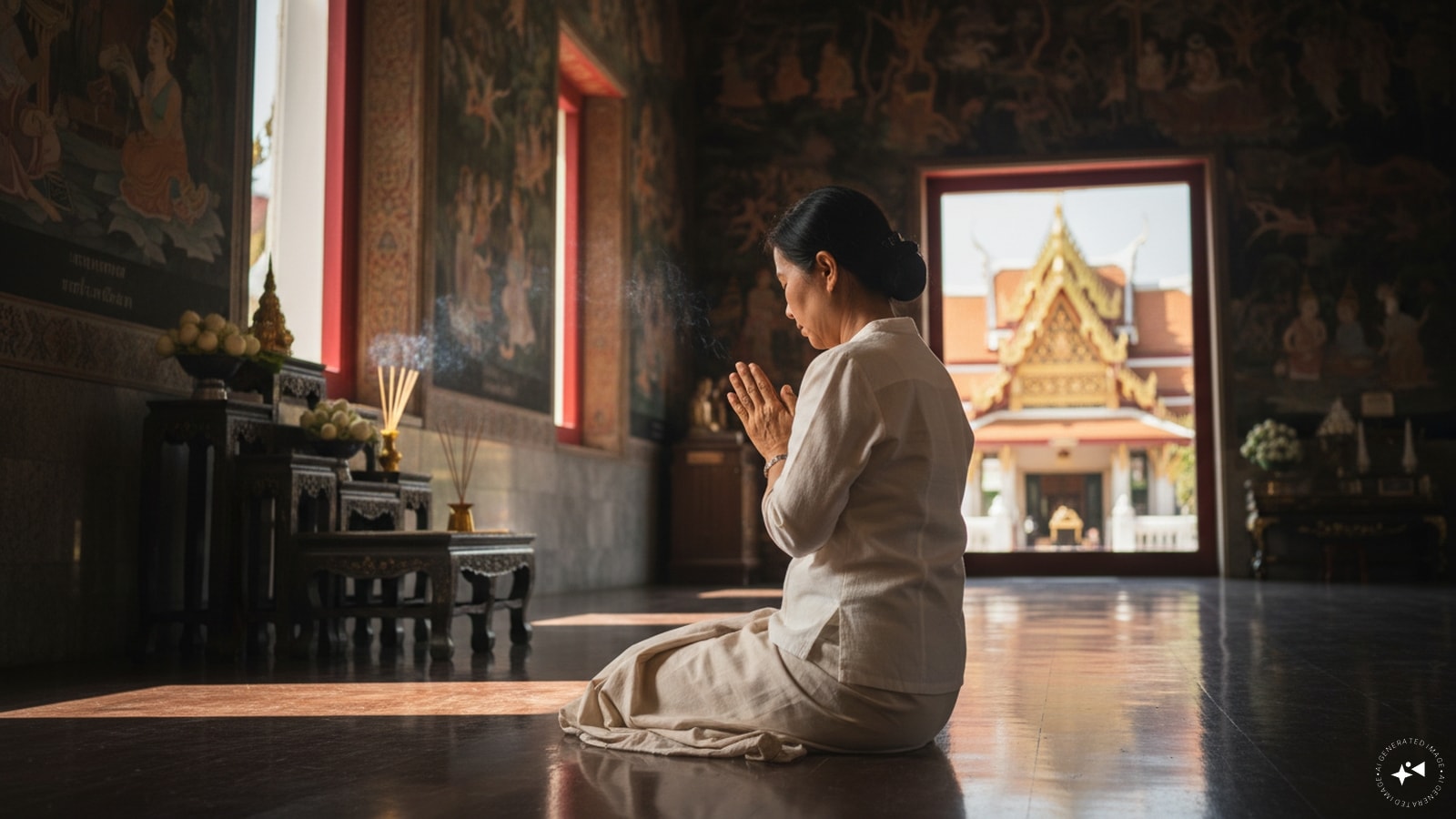
Every July, something strange happens across Thailand. Alcohol sales plummet. Bars in tourist hubs quiet down. Millions of people, from Bangkok office workers to farmers in rural provinces, decide to stop drinking entirely. This isn't some temporary health fad or a corporate wellness challenge. It's the Thai Buddhist Lent campaign, locally known as Khao Phansa.
If you visit Thailand during this season, you'll hear people call it the "No Alcohol Month" or, more accurately, the three-month sober period. It's a massive cultural event. While the world debates dry January, Thais have been running a nationwide sober experiment for generations. It works differently than anything you see in the West.
Why the commitment actually sticks
Most people struggle to quit drinking because they view it as a sacrifice. They focus on what they are losing. The Thai approach turns that logic on its head. It frames abstinence as a spiritual act of merit-making.
When you pledge to stop drinking for these three months, you aren't just "getting healthy." You are participating in a communal act of self-discipline that aligns with Buddhist principles of mindfulness and avoiding intoxicants. Because the community expectation is high, it's easier to stay on track. You’re not the odd one out at the dinner table. Everyone else is doing it too.
I’ve spent time observing these cycles. The social pressure to drink in Thailand is real, especially with the heavy marketing of beer brands. Yet, when Lent starts, that pressure vanishes. It’s socially acceptable, even expected, to decline a drink. That shift in social norms is exactly why millions actually stick to the pledge.
The government and the monks agree
This campaign isn't just religious. The Thai government realized long ago that it’s a goldmine for public health outcomes. Agencies like the Thai Health Promotion Foundation (ThaiHealth) lean heavily into this tradition. They don't just sit back and hope people participate. They run aggressive, high-visibility media campaigns that link the spiritual tradition to hard data on liver disease, traffic accidents, and domestic violence.
They use the moral authority of monks to reach people who might ignore a government pamphlet. When a respected local monk talks about the dangers of alcohol during a sermon, it hits differently than a PSA from a bureaucrat in Bangkok. This blend of spirituality and secular health policy is the secret sauce.
Real impact versus the hype
Let's look at the numbers. While critics point out that alcohol sales rebound the second the three months end, the health benefits during that window are massive. Hospital admissions for alcohol-related trauma drop significantly. Alcohol-related road fatalities decrease.
But there's a nuance here that most reports miss. It’s not just about the three months. It’s about the habit-breaking window. If you force your brain to function without alcohol for ninety days, your tolerance resets. Your sleep patterns normalize. Many people realize they don't actually need the booze to enjoy their lives. Some of the people who pledge for Lent don't go back to their previous levels of consumption once the period ends.
What you can learn from this approach
You don't need to be Buddhist to steal this strategy. The reason it succeeds is structure. People fail at resolutions because they are vague. "I will drink less" is a bad goal. "I will stop drinking for these specific dates because it aligns with a cultural movement" is a powerful, concrete commitment.
If you want to replicate this, don't try to quit on your own. Find a group. Pick a start date that carries weight for you. If you don't have a religious tradition to lean on, create a personal milestone. The key is to make the decision once, then let the environment support you.
The reality of the transition
Don't expect the transition to be easy. In the first two weeks, you will deal with social friction. Your friends might mock you. You will feel awkward at events. This is where the Thai experience offers a lesson: you have to be ready for the pushback.
When you explain your goal as a deliberate, temporary period of reset, most people stop pushing. Frame it as an experiment in self-awareness. When people see you’re taking it seriously, they usually pivot from teasing to asking questions.
Turning this into action
If you want to try this for yourself, keep these three things in mind. First, clear your house of alcohol before the start date. Don't rely on willpower to ignore a bottle in your fridge. Second, find a non-alcoholic beverage you actually like. You need a replacement ritual for the evening drink. Third, track your physical changes. Note your energy levels, your skin quality, and your mood swings.
You’ll be surprised at how quickly the craving drops off once you cross the thirty-day mark. The Thai Buddhist Lent isn't a miracle cure for alcoholism, but it is a masterclass in how to change behavior on a national scale. You can take that same blueprint and apply it to your own life starting today. Stop waiting for the perfect time and just pick a date. Commit to it, tell your circle, and watch how your perspective on alcohol shifts when you aren't constantly reaching for a glass.